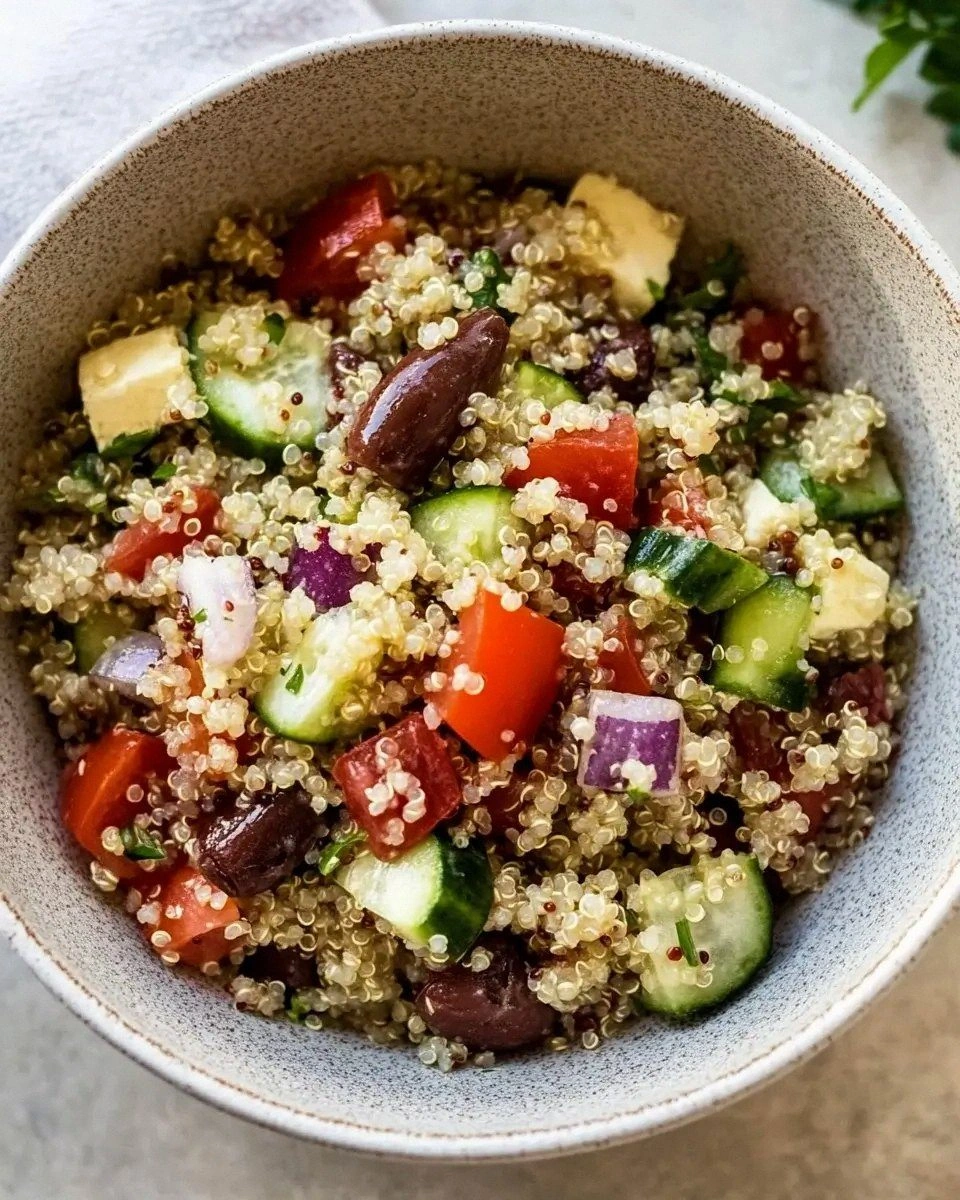
Picture this: I’m frantically rummaging through my pantry after a marathon of Zoom meetings, the clock ticking, and my stomach growling louder than my Wi‑Fi router. I grabbed the first thing that looked vaguely healthy—a dusty bag of quinoa—and a handful of Persian cucumbers that had been lounging in the crisper for weeks. The moment the quinoa hit the boiling water, a faint nutty perfume rose like a promise, and I thought, “Okay, this could be decent.” But then, a rogue spoon slipped, sending quinoa grains scattering across the counter like tiny fireworks, and I realized I was about to make a mess that would rival a kindergarten art project.
Fast forward a few minutes, and the kitchen is a symphony of sounds: the gentle hiss of the pot, the crisp snap of cucumber slices, and the rhythmic chopping of fresh herbs that feels like a percussive beat. The air is thick with the aroma of toasted quinoa mingling with the bright, almost citrusy zing of lemon juice, while the cool crunch of cucumbers provides a textural counterpoint that makes every bite feel like a mini adventure. I swear, the scent alone could convince a seasoned chef to drop whatever they’re cooking and sprint to the stove.
Now, most quinoa salads I’ve tried in the past either fell flat because the quinoa was under‑cooked, or they were drowned in a soggy dressing that turned the whole bowl into a mushy swamp. This version? Hands down the best version you’ll ever make at home. I dare you to taste this and not go back for seconds, because the balance of flavors is so spot‑on that you’ll start questioning every other salad you’ve ever eaten. Most recipes get this completely wrong. Here’s what actually works: a precise rinse, a perfect toast, and a dressing that clings to each grain like a silk scarf.
I’ll be honest — I ate half the batch before anyone else got to try it, and that was the only crime I committed that day. The secret ingredient that most people overlook is a splash of high‑quality extra‑virgin olive oil, which adds a buttery mouthfeel that makes the quinoa feel luxurious, not just grainy. And there’s a tiny twist: a pinch of smoked paprika that whispers of distant Mediterranean evenings, giving the dish a subtle smoky depth without overpowering the fresh veggies. Let me walk you through every single step — by the end, you’ll wonder how you ever made it any other way.
What Makes This Version Stand Out
- Flavor Explosion: The lemon‑olive oil dressing is bright enough to awaken your palate, yet mellow enough to let the quinoa’s nutty notes shine through.
- Texture Harmony: Toasted quinoa provides a slight crunch that pairs perfectly with the crisp snap of Persian cucumbers.
- Simplicity: Only a handful of pantry staples are needed, so you won’t feel overwhelmed by a grocery list longer than a novel.
- Uniqueness: Smoked paprika adds a whisper of the Mediterranean coast, a detail most salads miss.
- Crowd Reaction: Guests constantly ask for the recipe, and the “wow” factor is immediate—no need for a long build‑up.
- Ingredient Quality: Using Persian cucumbers, which are less watery and more aromatic than regular cucumbers, keeps the salad from turning soggy.
- Cooking Method: Toasting the quinoa before simmering locks in flavor and prevents that dreaded mushy texture.
- Make‑Ahead Potential: This salad actually improves after a few hours in the fridge as the flavors meld, making it perfect for meal prep.
Alright, let's break down exactly what goes into this masterpiece...
Inside the Ingredient List
The Flavor Base
The lemon‑olive oil dressing is the heart of this salad. Freshly squeezed lemon juice provides acidity that cuts through the richness of the olive oil, creating a vinaigrette that glazes each quinoa grain like a silk ribbon. If you skip the lemon, you’ll end up with a bland, oil‑heavy bowl that feels more like a side dish than a star. For a twist, try using Meyer lemon instead of regular lemon; its sweeter profile adds a subtle honeyed note without any added sugar.
Extra‑virgin olive oil isn’t just a fat source; it carries aromatic compounds that amplify the salad’s overall flavor. Choose a robust, cold‑pressed variety for maximum depth. If you’re on a budget, a good quality “light” olive oil works, but expect a slightly thinner mouthfeel. A splash of red wine vinegar can substitute for lemon in a pinch, though you’ll lose some of that sunny brightness.
The Texture Crew
Persian cucumbers are the unsung heroes here. Their thin skins and low seed count mean they stay crisp even after being tossed with dressing, unlike regular cucumbers that release excess water. If you can’t find Persian cucumbers, look for “English” cucumbers or simply seed a regular cucumber and slice it thinly. The key is to keep the pieces bite‑size so they mingle evenly with the quinoa.
Quinoa itself, when toasted before simmering, develops a toasty, nutty flavor that elevates the entire dish. Skipping the toast step results in a bland, mushy texture that can turn the salad into a soggy mess. For a gluten‑free crowd, quinoa is already a safe bet, but you could also swap in millet or farro for a different grain profile—just remember that cooking times will vary.
The Unexpected Star
Smoked paprika may seem like a small addition, but it adds a whisper of the Mediterranean’s smoky breezes, giving the salad a depth that most “healthy” dishes lack. A pinch is enough; too much and you’ll overpower the delicate lemon notes. If you love heat, a dash of cayenne can be introduced alongside the paprika for a subtle kick.
Fresh herbs—like flat‑leaf parsley, mint, and a hint of dill—bring brightness and a fragrant lift. They’re not just garnish; they infuse each bite with aromatic oils that make the salad feel alive. If you’re allergic to one, feel free to double up on the others, but keep the balance so the herbs don’t dominate.
The Final Flourish
A generous sprinkle of crumbled feta adds a salty, creamy contrast that ties the whole dish together. The cheese’s tanginess mirrors the lemon, while its crumbly texture adds a pleasant bite. If you’re vegan, replace feta with toasted pine nuts or a dollop of hummus for a similar richness.
Finally, a drizzle of high‑quality extra‑virgin olive oil right before serving gives the salad a glossy finish that looks as good as it tastes. This final oil splash is the culinary equivalent of a spotlight on stage—everything else is already set, but this little touch makes the performance unforgettable.
Everything's prepped? Good. Let's get into the real action...
The Method — Step by Step
Start by giving the quinoa a good rinse. Place 1 cup of uncooked quinoa in a fine‑mesh sieve and run cold water over it for at least 30 seconds, shaking the sieve to dislodge any lingering saponins. This step is crucial; if you skip it, the quinoa will have a bitter aftertaste that can ruin the entire salad. Once rinsed, set it aside to drain while you prep the rest of the ingredients.
Heat a wide, dry skillet over medium heat. Add the rinsed quinoa and toast it, stirring constantly, until it turns a light golden brown and releases a nutty aroma—about 3‑4 minutes. This toasting process is the game‑changer that gives the salad its depth.
Kitchen Hack: Keep the skillet moving; a wooden spoon works best for preventing the quinoa from sticking.Transfer the toasted quinoa to a saucepan, add 2 cups of water, a pinch of salt, and bring to a boil. Once boiling, reduce the heat to low, cover, and simmer for 15 minutes, or until all the water is absorbed and the grains are fluffy. The moment the steam starts escaping, you’ll know you’re on the right track—if the quinoa looks dry, add a splash more water and continue cooking.
While the quinoa cooks, slice the 3 Persian cucumbers into half‑moon pieces about a quarter inch thick. The thin slices ensure every bite delivers that satisfying crunch. If you notice excess moisture, sprinkle a pinch of salt on the cucumber slices and let them sit for 5 minutes, then pat dry with a paper towel.
Watch Out: Over‑salting the cucumbers can make the salad too salty; a light dusting is enough.In a small bowl, whisk together the juice of two lemons, ¼ cup of extra‑virgin olive oil, 1 teaspoon of Dijon mustard, ½ teaspoon of smoked paprika, and a pinch of freshly ground black pepper. The mustard acts as an emulsifier, ensuring the oil and lemon juice combine into a smooth, velvety dressing. Taste and adjust: if it feels too sharp, add a drizzle of honey; if it’s too thick, thin with a tablespoon of water.
When the quinoa is done, remove it from heat and let it sit, covered, for 5 minutes. Then fluff it with a fork to separate the grains. This resting period lets the steam finish cooking the quinoa gently, preventing it from becoming mushy. At this point, the quinoa should be light, airy, and ready to absorb the dressing.
Combine the fluffed quinoa, sliced cucumbers, a handful of chopped fresh parsley, a sprinkle of mint leaves, and the crumbled feta in a large mixing bowl. Toss gently so the ingredients distribute evenly without bruising the herbs. The visual contrast of green herbs, white feta, and golden quinoa is already a feast for the eyes.
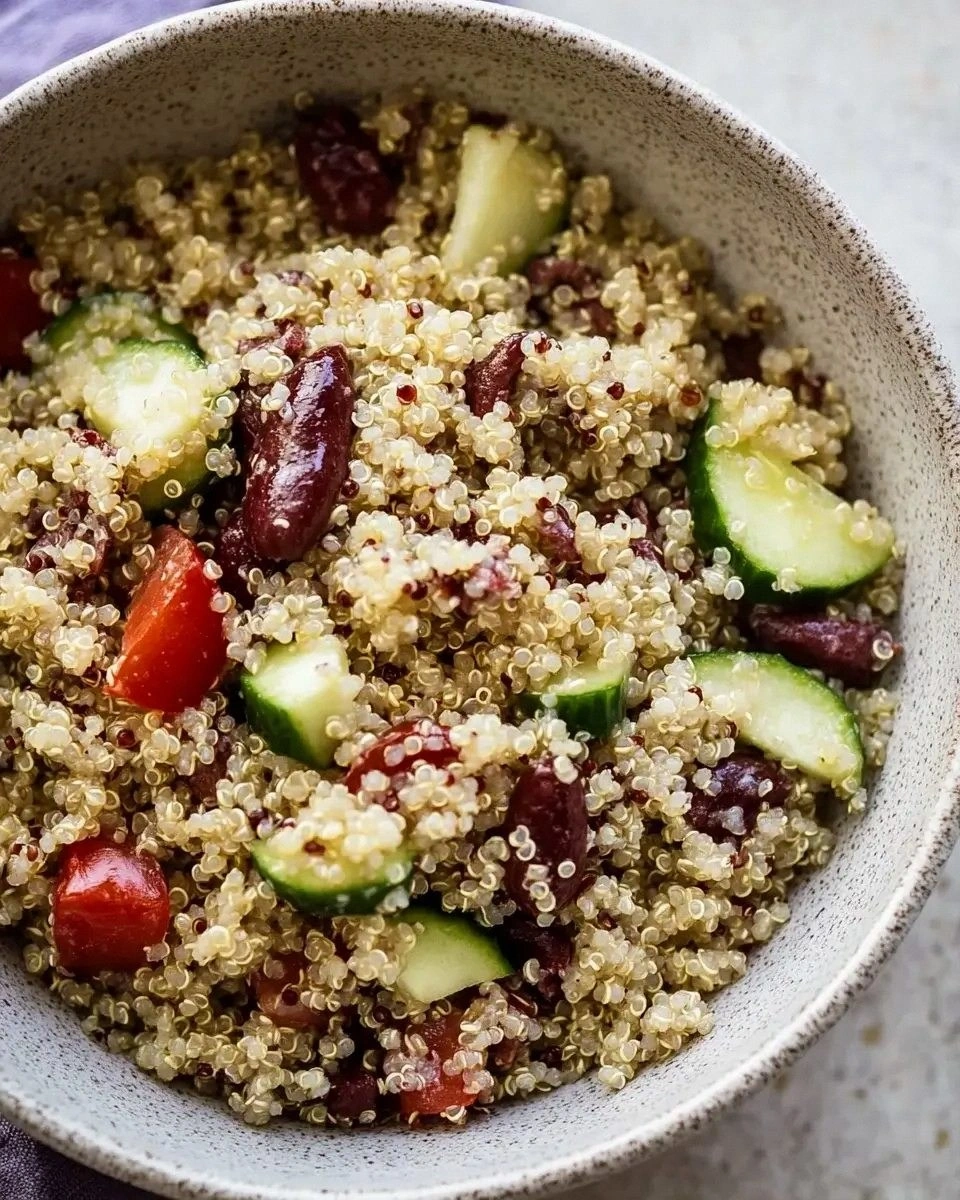
Pour the prepared dressing over the salad and toss again, this time more vigorously. You’ll notice the dressing coating each grain like a silk scarf, while the cucumbers glisten with a subtle sheen.
Kitchen Hack: If the salad looks dry after tossing, drizzle a little more olive oil—never over‑dress, just achieve that perfect sheen.Let the salad rest for at least 10 minutes before serving. This short pause allows the flavors to meld, and the quinoa will soak up a bit more of the lemon‑olive oil mixture, creating a harmonious bite every time. I dare you to taste it now and not crave a second serving; the balance is that good.
That's it — you did it. But hold on, I've got a few more tricks that'll take this to another level...
Insider Tricks for Flawless Results
The Temperature Rule Nobody Follows
Always bring the quinoa water to a rolling boil before you add the grains. A gentle simmer from the start can cause the quinoa to release excess starch, leading to a gummy texture. By starting with a vigorous boil, the outer layer of the grain seals quickly, preserving its fluffy interior. I once tried a low‑heat start and ended up with a porridge‑like mess—lesson learned.
Why Your Nose Knows Best
When toasting quinoa, trust your sense of smell more than the timer. The moment you detect a toasted, nutty aroma, you’re at the perfect point. Over‑toasting can make the quinoa taste bitter, while under‑toasting leaves it flat. A friend once skipped this step entirely and claimed the salad was “bland”; we all laughed, but the lesson stuck.
The 5‑Minute Rest That Changes Everything
After fluffing the quinoa, let it rest for five minutes, covered. This pause allows residual steam to finish the cooking process and helps the grains firm up, preventing them from becoming soggy when mixed with the dressing. The rest also lets the quinoa absorb any lingering aromatics from the pan, deepening flavor.
Salt at the Right Time
Season the quinoa water lightly, but hold off on salting the dressing until after you’ve mixed everything. This prevents the salad from becoming overly salty and allows you to fine‑tune the seasoning based on the final taste. If you add too much salt early, the lemon’s acidity can’t cut through, and the balance is lost. A pinch too many and you’ll be reaching for water after the first bite.
The Power of Fresh Herbs
Chop herbs just before you toss the salad. The fresher the herbs, the brighter the flavor. If you pre‑chop them hours ahead, they’ll oxidize and lose their punch, turning the salad dull. I once used wilted parsley from the fridge, and the whole dish tasted flat—never again. Keep a small bowl of water and a damp paper towel on the side to revive wilted greens instantly.
Creative Twists and Variations
This recipe is a playground. Here are some of my favorite ways to switch things up:
Mediterranean‑Meets‑Mexican
Swap the feta for crumbled cotija and add a handful of black beans. The smoky paprika pairs beautifully with cumin, and a drizzle of chipotle‑lime vinaigrette gives the salad a spicy, tangy twist that’s perfect for summer barbecues.
Protein‑Packed Power
Add grilled chicken breast strips or a scoop of chickpeas for extra protein. The chicken should be seasoned with oregano and lemon zest to keep the flavor profile cohesive, while the chickpeas bring a creamy bite that complements the quinoa’s texture.
Vegan Delight
Replace feta with toasted pine nuts and incorporate a generous spoonful of hummus into the dressing. The hummus adds a silky richness that mimics the creaminess of cheese, while the pine nuts bring a buttery crunch.
Autumn Harvest
Introduce diced roasted butternut squash and a sprinkle of toasted pumpkin seeds. The natural sweetness of the squash balances the lemon’s acidity, and the pumpkin seeds add a satisfying crunch reminiscent of a fall market.
Spicy Mediterranean
Add thinly sliced jalapeños and a dash of harissa paste to the dressing. The heat will elevate the smoky paprika, creating a bold flavor profile that’s perfect for those who love a little fire.
Storing and Bringing It Back to Life
Fridge Storage
Transfer the salad to an airtight container and store it in the refrigerator for up to four days. The quinoa continues to absorb flavors, so the salad actually gets better after a night or two. Before serving, give it a quick toss and, if needed, add a splash of lemon juice to revive the brightness.
Freezer Friendly
Quinoa holds up well in the freezer. Portion the salad into freezer‑safe bags, removing as much air as possible, and freeze for up to three months. Thaw overnight in the fridge, then stir in a fresh drizzle of olive oil and a few extra cucumber slices for texture.
Best Reheating Method
If you prefer a warm version, place the desired portion in a microwave‑safe bowl, add a teaspoon of water, and heat on medium power for 45 seconds, stirring halfway. The added water creates steam that revives the quinoa’s fluffiness without turning it soggy. Alternatively, gently warm in a skillet over low heat, stirring continuously.