I was standing in my kitchen on a cold December night, staring at a half‑empty jar of cranberry sauce and a bag of frozen meatballs, wondering how on earth I could turn these two lonely pantry staples into something that would make my relatives actually want to hug me. The only thing louder than the wind outside was the sound of my own stomach growling, demanding a snack that felt both festive and unapologetically indulgent. I tossed a pinch of garlic powder into the air, imagined the sweet‑tart aroma of cranberry mingling with the smoky kick of chili sauce, and thought, “If I can get these flavors to dance together without stepping on each other’s toes, I’ve got a winner.” Most holiday appetizers either drown in sugar or hide behind a bland glaze; I was determined to create a sauce that clings to each meatball like a silk scarf, yet snaps with a caramelized edge that makes you want to shout “More, please!” I dare you to taste this and not go back for seconds.
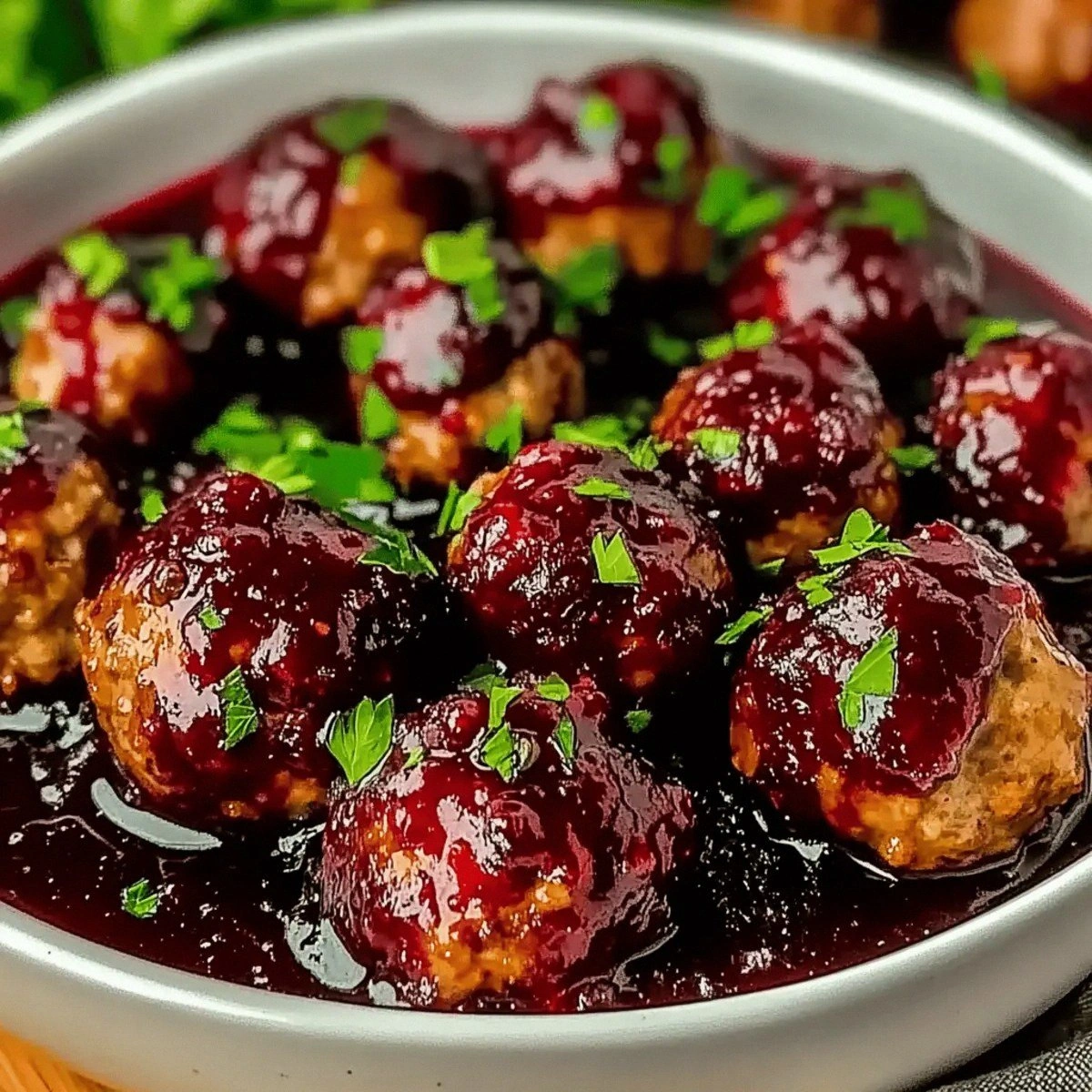
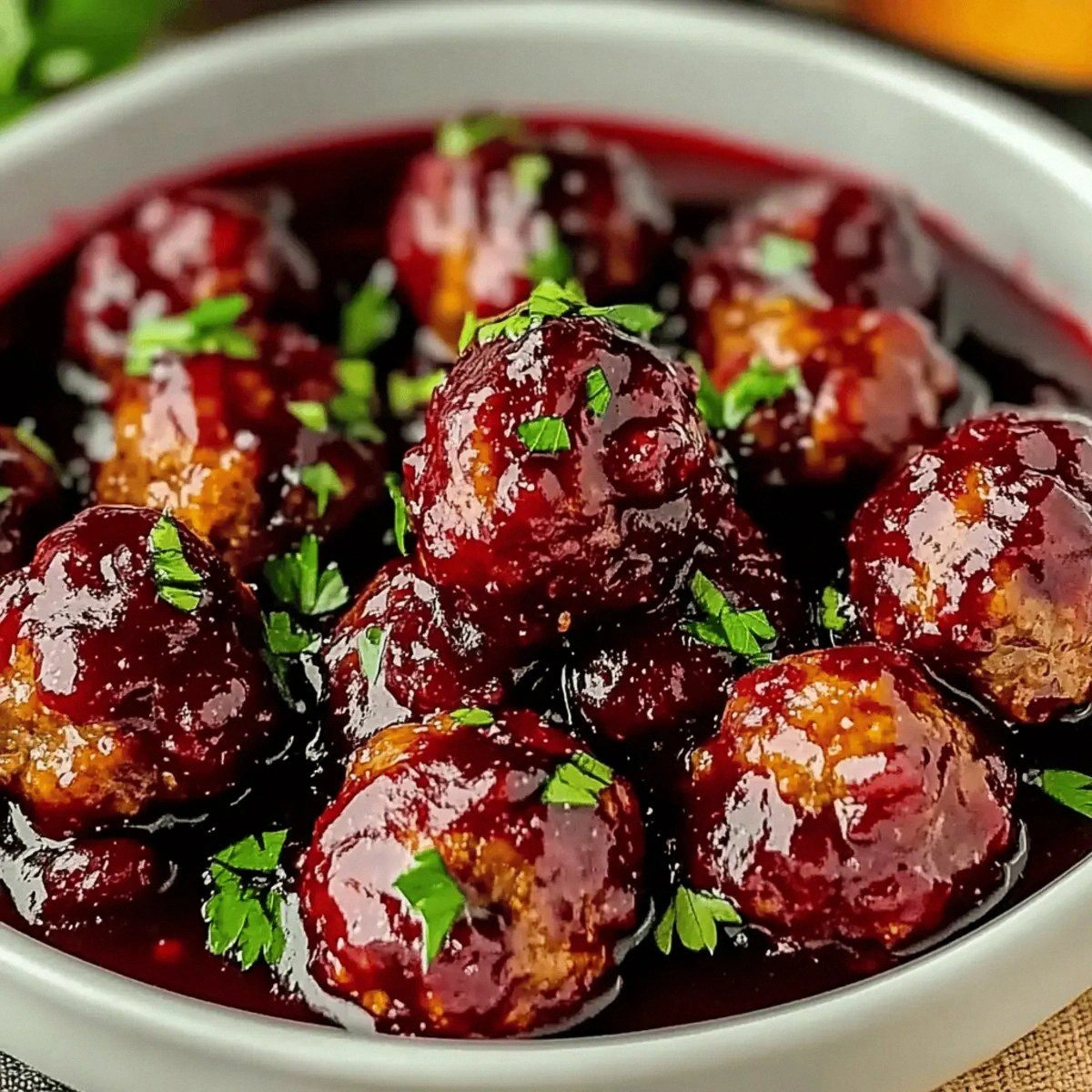
Picture this: a tray of glistening meatballs, each one coated in a ruby‑red glaze that shimmers under the kitchen lights, the scent of cooked garlic and pepper swirling with the sweet tang of cranberry, and a faint, comforting warmth that reminds you of a fireplace on a snowy evening. The first bite is a perfect harmony—soft, juicy meat inside, a glossy, slightly sticky exterior that crunches just enough to give a satisfying snap, and a flavor profile that’s both familiar and wildly unexpected. It’s the kind of dish that makes you pause the holiday playlist, stare at the platter, and whisper, “Okay, ready for the game‑changer?” Most recipes get this completely wrong. They either use plain ketchup and call it a day, or they drown the meatballs in a sauce that never sets, leaving you with a soggy mess. Not this one.
What truly sets this version apart is a tiny secret I discovered while rummaging through my grandma’s old cookbook: a can of jellied cranberry sauce isn’t just a sweet spread, it’s a natural thickener that gives the glaze body without the need for cornstarch. Pair that with a splash of chili sauce, a dash of brown sugar, and a whisper of garlic and pepper, and you have a sauce that behaves like velvet—smooth, luxurious, and it clings to every curve of the meatball. I’ll be honest — I ate half the batch before anyone else got to try it, and the only thing that stopped me was the realization that the rest of the party would be missing out on the magic.
Let me walk you through every single step — by the end, you’ll wonder how you ever made it any other way. I’m going to spill the beans (or rather, the sauce) on why the timing of the glaze matters, how to avoid a common pitfall that turns your masterpiece into a sticky puddle, and even a few tricks to make the leftovers taste like they were just pulled from the oven. Stay with me here — this is worth it.
What Makes This Version Stand Out
- Flavor Explosion: The sweet‑tart cranberry pairs with the smoky heat of chili sauce, creating a balanced bite that sings like a choir of holiday carolers.
- Texture Triumph: Each meatball stays juicy inside while the glaze forms a caramelized crust that cracks like thin ice when you bite.
- Simplicity Supreme: All you need are six pantry items and a bag of frozen meatballs—no fancy equipment, no endless prep.
- Unique Ingredient: Jellied cranberry sauce acts as a natural thickener, eliminating the need for flour or cornstarch.
- Crowd Magnet: Even the pickiest eaters can’t resist the glossy finish and the surprise kick of garlic powder.
- Make‑Ahead Magic: You can glaze and refrigerate up to a day ahead, then reheat for a stress‑free party.
- Seasonal Yet Versatile: While perfect for Christmas, the flavor profile works for any celebration that calls for a sweet‑savory bite.
- Budget Friendly: Using frozen pre‑cooked meatballs keeps costs low without sacrificing that restaurant‑quality feel.
Inside the Ingredient List
The Flavor Base
The combination of jellied cranberry sauce and chili sauce is the heart of this dish. The cranberry brings a bright, festive tartness while the chili adds depth and a subtle heat that keeps the palate interested. If you skip the cranberry, you’ll lose that glossy sheen and the sauce will become watery; if you omit the chili, you’ll end up with a dessert‑like glaze that doesn’t hold its own against the meat. For a milder version, substitute a sweet and sour sauce for the chili, but you’ll miss the signature zing that makes this recipe unforgettable.
The Sweet & Spice Crew
Brown sugar is the secret sweetener that caramelizes during cooking, creating that irresistible crust. It also balances the acidity of the cranberry, preventing the glaze from tasting overly sharp. Garlic powder adds an aromatic foundation that you can’t see but will definitely taste; it rounds out the flavor and keeps the sauce from feeling one‑dimensional. Black pepper is the final whisper of spice—just enough to give a gentle bite without overwhelming the sweet notes. If you’re allergic to garlic, try a pinch of onion powder; the flavor shift is subtle but still delicious.
The Texture Crew
Frozen pre‑cooked meatballs are the star of the show. Their firm exterior holds up well during the glaze‑baking process, and because they’re already cooked, you avoid the risk of undercooked meat. Choose meatballs that are at least 1‑inch in diameter; smaller ones tend to dry out faster. If you prefer a leaner option, look for turkey or chicken meatballs, but be aware they may absorb more sauce, so you might need a little extra glaze.
The Final Flourish
A dash of black pepper may seem trivial, but it’s the final brushstroke on a painting—tiny, yet essential. It adds a subtle heat that lingers after each bite, encouraging you to keep reaching for more. If you’re serving a crowd that includes kids, you can halve the pepper and double the brown sugar for a sweeter, milder glaze. Remember, the balance of sweet, tart, and heat is what makes this dish a holiday hero.
Everything's prepped? Good. Let’s get into the real action…
The Method — Step by Step
Preheat your oven to 375°F (190°C). While the oven warms up, line a large baking sheet with parchment paper; this prevents sticking and makes cleanup a breeze. The heat will be the catalyst that turns the sauce from a glossy pool into a caramelized coat. Pro tip: Place a wire rack on the sheet if you want the glaze to circulate evenly around each meatball.
In a medium saucepan, combine the entire can of jellied cranberry sauce and the cup of chili sauce. Turn the heat to medium and stir until the mixture becomes a uniform, deep‑red liquid. As the sauce begins to bubble, you’ll notice a fragrant blend of sweet and smoky notes—this is the moment the magic starts.
- Watch Out: If the sauce starts to scorch on the edges, reduce the heat immediately; burnt sauce will give a bitter aftertaste that overpowers the cranberry.
Once the sauce is smooth, whisk in the half‑cup of brown sugar, the teaspoon of garlic powder, and the quarter‑teaspoon of black pepper. Keep stirring for another 2‑3 minutes until the sugar fully dissolves and the mixture thickens slightly. You’ll see it start to coat the back of a spoon—this is the perfect consistency for glazing.
While the sauce is simmering, arrange the frozen meatballs on the prepared baking sheet. If they’re stuck together, give them a quick tap with the back of a spoon to separate them. The meatballs should be spaced about an inch apart; crowding them will cause steam to pool, preventing the glaze from adhering properly.
Using a silicone brush, generously coat each meatball with the cranberry‑chili glaze. Don’t be shy—make sure every nook and cranny is covered. The sauce should cling like a glossy varnish, and you’ll notice a faint sizzle as it hits the warm meatballs. That sizzle when it hits the pan? Absolute perfection.
- Kitchen Hack: After the first 15 minutes of baking, pull the tray out and give the meatballs a quick flip, then brush them with another layer of glaze for an ultra‑shiny finish.
Slide the sheet into the preheated oven and bake for 20 minutes. After the first 10 minutes, rotate the pan 180 degrees to ensure even caramelization. The edges of the glaze will start pulling away from the meatball, creating those coveted crispy bits.
At the 20‑minute mark, pull the tray out and give each meatball a final brush of glaze. This extra coating creates a glossy, almost lacquered appearance that makes the platter look restaurant‑ready. Return the tray to the oven for an additional 5‑7 minutes, just until the glaze deepens to a rich mahogany hue.
Remove the meatballs from the oven and let them rest on the rack for 2‑3 minutes. This brief rest allows the glaze to set, preventing it from sliding off when you serve. Transfer the meatballs to a serving platter, drizzle any remaining glaze from the pan over the top, and garnish with a few fresh rosemary sprigs for a pop of color.
Serve hot, straight from the oven, or keep warm in a low‑heat oven (200°F) for up to 30 minutes if you’re timing them with other dishes. Pair with a crisp white wine or a sparkling mocktail, and watch as guests line up for seconds. That moment when you hear the collective “more, please” is the ultimate reward.
That’s it — you did it. But hold on, I’ve got a few more tricks that’ll take this to another level…
Insider Tricks for Flawless Results
The Temperature Rule Nobody Follows
Never bake the glaze at a temperature lower than 375°F. Lower heat will cause the sauce to steam rather than caramelize, leaving you with a soggy coating. I once tried 350°F because I was “being gentle,” and the result was a sad, limp glaze that clung like wet paint. The higher heat creates those crisp edges that snap like thin ice, giving each bite that satisfying crunch.
Why Your Nose Knows Best
Trust the aroma. When the glaze starts to turn a deep amber and you can smell a faint caramel note, you’re at the perfect stage to flip the meatballs. If you wait too long, the sugars will burn; too early, and the glaze won’t set. Your nose is a more reliable timer than any kitchen gadget for this recipe.
The 5‑Minute Rest That Changes Everything
After the final bake, let the meatballs sit for exactly five minutes before serving. This short rest lets the glaze thicken just enough to cling without sliding off. A friend once skipped this step and ended up with a plate full of sauce puddles—let’s just say the presentation suffered.
The Secret of the Double Glaze
Applying two layers of glaze—once halfway through baking and once at the end—creates depth. The first layer caramelizes, while the second adds a fresh burst of flavor and a lacquered look. Skipping the second coat leaves the meatballs looking dull, and the taste isn’t as layered.
Pan‑to‑Plate Transfer Trick
When moving the meatballs from the oven to the serving platter, use a wide spatula and a sheet of parchment to lift them in a single layer. This prevents the glaze from smearing onto the tray and keeps every meatball intact. I once tried a flimsy tongs and ended up with half the batch looking like a sticky mess—lesson learned.
Creative Twists and Variations
This recipe is a playground. Here are some of my favorite ways to switch things up:
Spicy Sriracha Kick
Swap half of the chili sauce for sriracha and add a teaspoon of sesame oil. The result is a Southeast‑Asian twist with a nutty undertone that pairs beautifully with the cranberry’s tartness. Perfect for guests who love a little extra heat.
Maple‑Brown Sugar Fusion
Replace the brown sugar with pure maple syrup and add a splash of apple cider vinegar. The glaze becomes richer, with a caramel‑apple nuance that feels like a Thanksgiving side dish masquerading as an appetizer.
Herb‑Infused Elegance
Stir in a tablespoon of finely chopped fresh thyme and a pinch of rosemary into the glaze before the final brush. The herbs add an earthy aroma that elevates the dish to a more sophisticated level, ideal for formal holiday dinners.
Coconut‑Curry Fusion
Add a tablespoon of coconut milk and a teaspoon of curry powder to the sauce. This creates a creamy, exotic glaze with a subtle sweetness that complements the cranberry while introducing a tropical flair.
Gluten‑Free Crunch
If you’re avoiding gluten, swap the frozen meatballs for gluten‑free turkey meatballs and use a cornstarch slurry (1 tsp cornstarch + 2 tsp water) to thicken the glaze instead of relying solely on the jellied cranberry. The texture remains crisp, and the flavor stays true.
Storing and Bringing It Back to Life
Fridge Storage
Place leftover meatballs in an airtight container, pour any remaining glaze over them, and store in the refrigerator for up to 3 days. The glaze will absorb a bit more, intensifying the flavor. When ready to serve, reheat gently in a skillet over medium‑low heat, adding a splash of water to prevent drying.
Freezer Friendly
For longer storage, spread the cooled meatballs on a baking sheet, freeze until solid, then transfer to a zip‑top bag. They’ll keep for up to 2 months. To reheat, bake straight from frozen at 350°F for 15‑20 minutes, then brush with a fresh glaze for that just‑made shine.
Best Reheating Method
The secret to reviving the glaze’s crispness is steam. Place the meatballs in a shallow oven‑safe dish, add a tablespoon of water to the bottom, cover loosely with foil, and heat at 300°F for 8‑10 minutes. The steam prevents the meatballs from drying, while the brief uncovered time at the end restores the caramelized edge.