There was a moment last winter when my kitchen felt like a battlefield—chicken pieces scattered across the countertop, a pot of broth boiling over, and the unmistakable scent of cumin drifting through the air like a promise. I stared at the chaos, wondering why I’d never made this soup before, and a friend’s dare echoed in my mind: “Make it, taste it, then taste it again.” I grabbed my apron, set the timer, and decided that this would be the recipe that would finally win the title of “most comforting bowl ever.”
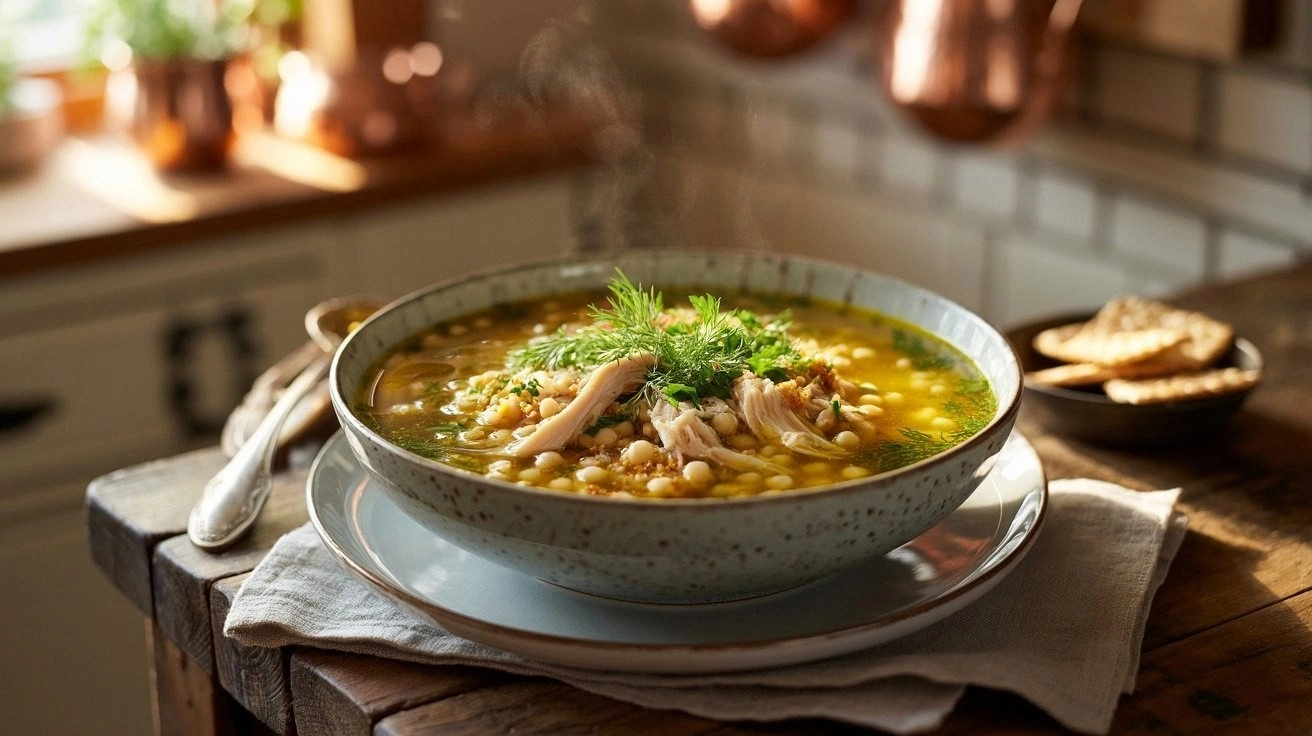
Picture this: the first bite sends a warm, nutty whisper across your tongue as the pearl couscous swirls with tender chicken, the subtle crunch of carrots, and a splash of lemon that brightens every layer. The aroma is a symphony—olive oil sizzling, garlic releasing its perfume, and a faint smokiness from paprika that lingers like a secret. The sound of broth bubbling is a lullaby, and the texture is a perfect marriage of silky broth and pillowy couscous that feels like a hug in a mug.
What makes this version stand out? I’ve taken the classic comfort of a chicken soup and elevated it with a pearl couscous base that adds a surprising bite, a citrus twist that lifts the heaviness, and a blend of spices that’s both familiar and adventurous. The result is a bowl that feels like a hug, yet surprises you with its depth of flavor. I dare you to taste this and not go back for seconds—once you finish, you’ll find yourself craving it again and again.
Let me walk you through every single step—by the end, you’ll wonder how you ever made it any other way. The secret lies not just in the ingredients but in the timing, the heat, and a few little tricks that I’ve picked up from kitchens around the world. Grab your ladle, and let’s dive into a bowl of pure, comforting joy.
What Makes This Version Stand Out
- Flavor Depth: The combination of cumin, coriander, and smoked paprika creates a layered taste that feels both earthy and bright, unlike any other chicken soup.
- Texture Contrast: Pearl couscous offers a delightful chew that balances the tender chicken and crisp vegetables.
- Simple Prep: All ingredients are prepped in under 15 minutes, making this a quick yet impressive dinner.
- Unique Twist: The lemon juice and fresh parsley finish the soup with a bright, fresh finish that sets it apart.
- Crowd Appeal: Whether you’re feeding a family or a group of friends, this soup is a hit with its comforting warmth and satisfying bite.
- High-Quality Ingredients: Using fresh, low-sodium broth and organic vegetables ensures the best flavor and nutrition.
- Cooking Method: Sautéing the aromatics first locks in flavor before simmering, a technique that elevates the dish.
- Make‑Ahead Friendly: This soup can be made a day ahead; the couscous rehydrates beautifully when reheated.
Inside the Ingredient List
The Flavor Base
At the heart of this soup is a simple yet powerful combination of aromatics. Onion, garlic, carrots, and celery form the classic mirepoix that builds the foundation. Each vegetable contributes a unique note—onion adds sweetness, garlic brings pungency, carrots lend earthiness, and celery provides a subtle bitterness that balances the dish. Skipping any of these would leave the soup feeling flat; the mirepoix is the backbone that supports the rest of the flavors.
I always use fresh, organic produce if possible. Fresh onions release more aroma, while carrots that are firm and bright in color bring a subtle sweetness that caramelizes slightly during the sauté. Celery’s crispness is essential; it adds a clean, green note that cuts through the richness of the broth. Together, they create a fragrant base that elevates the entire soup.
If you’re short on time, a quick alternative is to use a jar of pre‑sliced mixed vegetables. Just be sure to drain excess liquid to avoid a watery soup. A pinch of salt during the sauté will help draw out the flavors and bring everything together.
The Protein Power
The chicken in this recipe is the star that brings substance to the bowl. I recommend boneless, skinless chicken breast for its clean flavor and quick cooking time. Cutting the chicken into bite‑sized pieces ensures even cooking and a pleasant texture. If you prefer a richer taste, you can use thighs; they’ll add a deeper, savory note, but the cooking time will be slightly longer.
To avoid dryness, I season the chicken with salt, pepper, cumin, and smoked paprika before browning. This seasoning step not only flavors the meat but also creates a slight crust that locks in juices. If you’re watching sodium, you can reduce the salt or use a low‑sodium broth and add seasoning at the end.
A quick swap: if you’re a fan of a smoky flavor, add a small amount of chipotle powder or a dash of hot sauce to the chicken before browning. This will give the soup an extra kick that pairs wonderfully with the citrus finish.
The Texture Crew
Pearl couscous is the unexpected star of this soup. Its round shape and slightly chewy texture add a delightful bite that contrasts beautifully with the tender chicken and vegetables. Unlike regular couscous, pearl couscous retains its shape and texture even after simmering, making it the perfect choice for a hearty soup.
I rinse the couscous before adding it to the pot to remove excess starch and prevent clumping. Then I add it in the last 10 minutes of simmering, allowing it to absorb the broth without becoming mushy. If you’re in a rush, you can pre‑cook the couscous in boiling water for 4 minutes, drain, and add it to the soup at the end.
For a gluten‑free option, look for certified gluten‑free pearl couscous. The texture remains the same, and it’s a safe alternative for those with dietary restrictions.
The Unexpected Star
Lemon juice is the secret ingredient that lifts the entire soup. It cuts through the richness of the broth and adds a bright, zesty finish that keeps the flavors fresh. A splash of lemon at the end of cooking brightens the dish and adds a subtle acidity that balances the spices.
If you prefer a milder citrus note, substitute half the lemon juice with orange juice for a sweeter, fruitier finish. Alternatively, a dash of white wine vinegar can provide a similar brightening effect while adding depth.
I always add the lemon juice just before serving to preserve its bright flavor. If you’re making the soup ahead of time, add the lemon juice when reheating to maintain that fresh, vibrant taste.
The Final Flourish
Fresh parsley is the final touch that adds color and a burst of herbaceous freshness. It’s sprinkled on top just before serving, giving the soup a pop of green that’s both visual and flavor-wise. The parsley’s bright, slightly peppery taste complements the lemon and spices, creating a harmonious finish.
If parsley isn’t your favorite, consider cilantro or basil for a different herb profile. Each herb brings its own character, so feel free to experiment and find what resonates with your palate.
Remember to wash the parsley thoroughly before chopping to remove any grit or dirt. A quick rinse and a gentle pat dry will ensure a clean, bright garnish.
Everything's prepped? Good. Let's get into the real action and bring all those flavors together.
The Method — Step by Step
- Heat the Pan: Place a large pot over medium heat and add the olive oil. Let it shimmer until it’s hot but not smoking—this is the moment where the base of your soup starts to sing. I always let the oil heat until it’s almost shimmering, which signals the perfect temperature to start sautéing.
- Sauté Aromatics: Add the diced onion, carrots, and celery to the pot. Cook, stirring occasionally, until the vegetables begin to soften and the onion turns translucent—about 5 minutes. The aroma should fill your kitchen, hinting at the flavors to come.
- Add Garlic: Stir in the minced garlic and cook for an additional 30 seconds. Be careful not to burn it; the garlic should just release its fragrance. This quick burst of aroma is a key component of the soup’s depth.
- Season the Chicken: In a separate bowl, toss the chicken pieces with salt, pepper, cumin, coriander, smoked paprika, and oregano. This coating ensures every bite is flavorful. Then add the chicken to the pot, browning it on all sides—about 3-4 minutes. The sear locks in juices and adds a savory crust.
- Deglaze: Pour in a splash of chicken broth to deglaze the pot, scraping up the browned bits from the bottom. Those bits are full of flavor and will enrich the soup. Let the broth simmer for a minute before adding the rest.
- Add Remaining Broth: Pour in the remaining chicken broth and bring the mixture to a gentle boil. Reduce the heat to low and let it simmer, covered, for 15 minutes. This allows the flavors to meld and the chicken to become tender.
- Introduce Couscous: Stir in the pearl couscous, then cover the pot again. Let it simmer for another 10 minutes, or until the couscous is al dente and has absorbed most of the broth. The couscous should be tender but still hold a slight bite.
- Finish with Lemon: Stir in the lemon juice, adjusting the amount to taste. The citrus brightness should be noticeable but not overpowering. This step is crucial for the final flavor profile.
- Garnish: Ladle the soup into bowls and sprinkle freshly chopped parsley on top. The green garnish adds a pop of color and a fresh, herbaceous note. Serve hot, and watch as the steam rises like a fragrant cloud.
That’s it—you did it. But hold on, I've got a few more tricks that'll take this to another level. From adjusting spice levels to perfecting the texture, these insider tips will make your soup even more memorable.
Insider Tricks for Flawless Results
The Temperature Rule Nobody Follows
Many cooks start the soup on high heat and then lower it, but the real trick is to maintain a steady simmer after the initial boil. A gentle simmer ensures the chicken stays moist and the couscous cooks evenly. I always keep the pot just below boiling; you’ll see a few small bubbles but no rolling boil.
Why Your Nose Knows Best
If the broth smells too flat, add a pinch more cumin or a splash of vinegar. Your nose can detect subtle changes in flavor balance. A slight acidity can lift the dish, while an extra pinch of spice can deepen it. Trust your senses and adjust accordingly.
The 5-Minute Rest That Changes Everything
After you remove the pot from heat, let the soup sit covered for five minutes before serving. This resting period allows the flavors to marry fully and the couscous to absorb any remaining liquid. It also gives the chicken a chance to reabsorb juices, making each bite more succulent.
The Quick Garnish Trick
For an extra burst of color, drizzle a tiny amount of olive oil over the parsley before serving. The oil adds a glossy finish and enhances the herbal aroma. It’s a simple step that makes the dish look and taste more refined.
The One-Pot Wonder
If you’re short on dishes, cook the soup entirely in one pot. After adding the broth, bring everything to a boil, then reduce to simmer. This method reduces cleanup and still produces a delicious result. Just be sure to stir occasionally to prevent sticking.
Creative Twists and Variations
This recipe is a playground. Here are some of my favorite ways to switch things up:
Mediterranean Medley
Swap the chicken for diced lamb and add chopped sun‑dried tomatoes. Finish with a drizzle of extra‑virgin olive oil and a sprinkle of feta cheese. This version feels like a trip to the coast.
Spicy Thai Twist
Add a tablespoon of Thai red curry paste and replace the lemon with lime juice. Garnish with sliced green onions and a handful of fresh basil. The soup becomes a vibrant, aromatic bowl that feels like a tropical getaway.
Vegetarian Version
Omit the chicken and add chickpeas for protein. Increase the vegetable variety with zucchini and bell peppers. This hearty, plant‑based soup still delivers the comforting texture of couscous.
Low‑Carb Adaptation
Replace the pearl couscous with cauliflower rice or shirataki noodles. The soup remains low in carbs but still satisfies with its rich broth and protein.
Gourmet Finish
Finish with a swirl of truffle oil and a dusting of grated Parmigiano‑Reggiano. The earthy aroma of truffle elevates the dish to a luxurious experience.
Storing and Bringing It Back to Life
Fridge Storage
Store the soup in an airtight container for up to 4 days in the refrigerator. The flavors deepen over time, making it even more delicious. Keep the broth separate if you prefer a lighter version when reheating.
Freezer Friendly
You can freeze the soup for up to 2 months. Portion it into individual containers to defrost quickly. Add a splash of broth or water when reheating to restore the original consistency.
Best Reheating Method
Reheat on the stovetop over medium heat, stirring occasionally. Add a small splash of water or broth to keep the soup from drying out. Once it reaches a gentle simmer, let it rest for a minute before serving.
Add a tiny splash of water before reheating — it steams back to perfection, restoring that silky broth you fell in love with.