I was in the middle of a midnight snack raid when my kitchen turned into a culinary battlefield. A rogue carrot slipped from my hand, ricocheting off the counter and landing on a pile of fresh herbs. The splash of orange against the green was a reminder that even a simple mishap can spark a delicious idea. I stared at the mess, then at the stack of rice paper wrappers left from last week’s takeout, and thought, “What if I could turn this chaos into something that makes people say ‘wow’?”
Picture this: the wrappers are soft, almost translucent, like a secret invitation. The scent of fresh cilantro and lime lingers, promising a bright, citrusy bite. The crunch of carrots and cucumber slices crackles against the tender rice noodles, while the faint heat of sliced chili whispers adventure. Each bite is a layered experience—sweetness, acidity, nutty depth, and a gentle heat that lingers without overpowering. It’s the kind of flavor profile that makes your taste buds dance, not just a simple snack.
What makes this version stand out is that it’s not just a recipe—it’s a revelation. I’ve spent countless hours experimenting with the balance of textures, the right amount of peanut sauce, and the secret trick to keep the wrappers from tearing. The result? A spring roll that’s crisp yet supple, vibrant yet cohesive, and, dare I say, the best version you’ll ever make at home. It’s the kind of dish that turns an ordinary gathering into a memorable culinary event.
And there’s a twist that you won’t expect: a splash of hoisin sauce in the peanut dip that adds a subtle umami sweetness, and a dash of toasted sesame oil that gives the sauce a smoky finish. These small additions elevate the whole experience, turning a simple roll into a flavor explosion. Ready to see how it’s done? Let me walk you through every single step—by the end, you’ll wonder how you ever made it any other way.
What Makes This Version Stand Out
- Flavor: The peanut sauce is a silky blend of roasted peanuts, hoisin, and a hint of lime, creating a balance that coats the roll like velvet.
- Texture: The rice paper is softened just enough to be pliable, yet retains a subtle snap that gives a satisfying bite.
- Freshness: Every herb is crisp, every vegetable is sliced thin, ensuring the roll is airy and bright.
- Ease: The assembly is quick—no advanced techniques required, just a few timed steps.
- Versatility: Swap tofu for shrimp or add a touch of smoked paprika for a smoky twist; the base remains solid.
- Make‑ahead: You can prep the veggies and sauce a day ahead, and the rolls stay fresh for up to 24 hours when stored properly.
- Presentation: The colorful layers are a feast for the eyes, making it a hit at parties.
Alright, let's break down exactly what goes into this masterpiece...
Inside the Ingredient List
The Wrapper Foundation
Rice paper wrappers are the backbone of any spring roll. They’re thin, translucent, and absorb moisture like a sponge. If you skip this step and use regular flour tortillas, the texture and flavor will feel off. For the best results, soak each wrapper in warm water for about 10 seconds—just enough to soften without breaking. A good tip: keep a damp towel handy to prevent the wrappers from drying out while you work.
The Freshness Brigade
Carrots, cucumber, bell pepper, bean sprouts, and lettuce form the crunchy core. Each vegetable contributes a unique bite: carrots add sweetness, cucumber brings hydration, bell pepper offers a subtle heat, bean sprouts bring a pop, and lettuce provides a light, airy base. If you’re in a pinch, baby spinach can substitute for lettuce, giving a slightly different texture but still maintaining the crispness. Remember, the fresher the produce, the more vibrant the roll.
The Herb Ensemble
Mint, cilantro, and basil are the aromatic trio that lifts the roll into a fragrant cloud. These herbs bring a refreshing burst that counterbalances the richness of the peanut sauce. If you prefer a milder flavor, reduce the mint to a quarter cup. A common mistake is to overpack the herbs; use just enough to taste without overpowering the other ingredients.
The Protein Pivot
Tofu is the go-to protein for a plant-based roll, but shrimp or sliced pork can also work if you’re not vegetarian. The tofu should be lightly pressed to remove excess moisture, then pan‑seared until golden for an added texture. If you opt for shrimp, cook them until pink and slightly charred to bring out a smoky flavor. The protein choice will define the overall mouthfeel—soft tofu offers a silky contrast, while shrimp adds a firm bite.
The Sauce Symphony
The peanut sauce is the heart of this roll. It’s a blend of roasted peanuts, hoisin sauce, lime juice, garlic, and a touch of chili. The roasted peanuts give a deep, nutty flavor that coats the roll like velvet, while the hoisin adds a sweet umami note. Lime juice brightens the sauce, cutting through the richness, and the chili provides a subtle heat that lingers without overwhelming. If you’re allergic to peanuts, cashew butter can be a suitable substitute, though the flavor will shift slightly.
The Final Flourish
A splash of sesame oil adds a smoky aroma, and a pinch of salt and pepper balances the overall taste. These final touches are often overlooked but they elevate the dish from good to unforgettable. Remember to taste the sauce before assembling; a little extra lime or chili can make a huge difference. Once the sauce is ready, let it cool slightly before dipping the wrappers.
Everything's prepped? Good. Let's get into the real action...
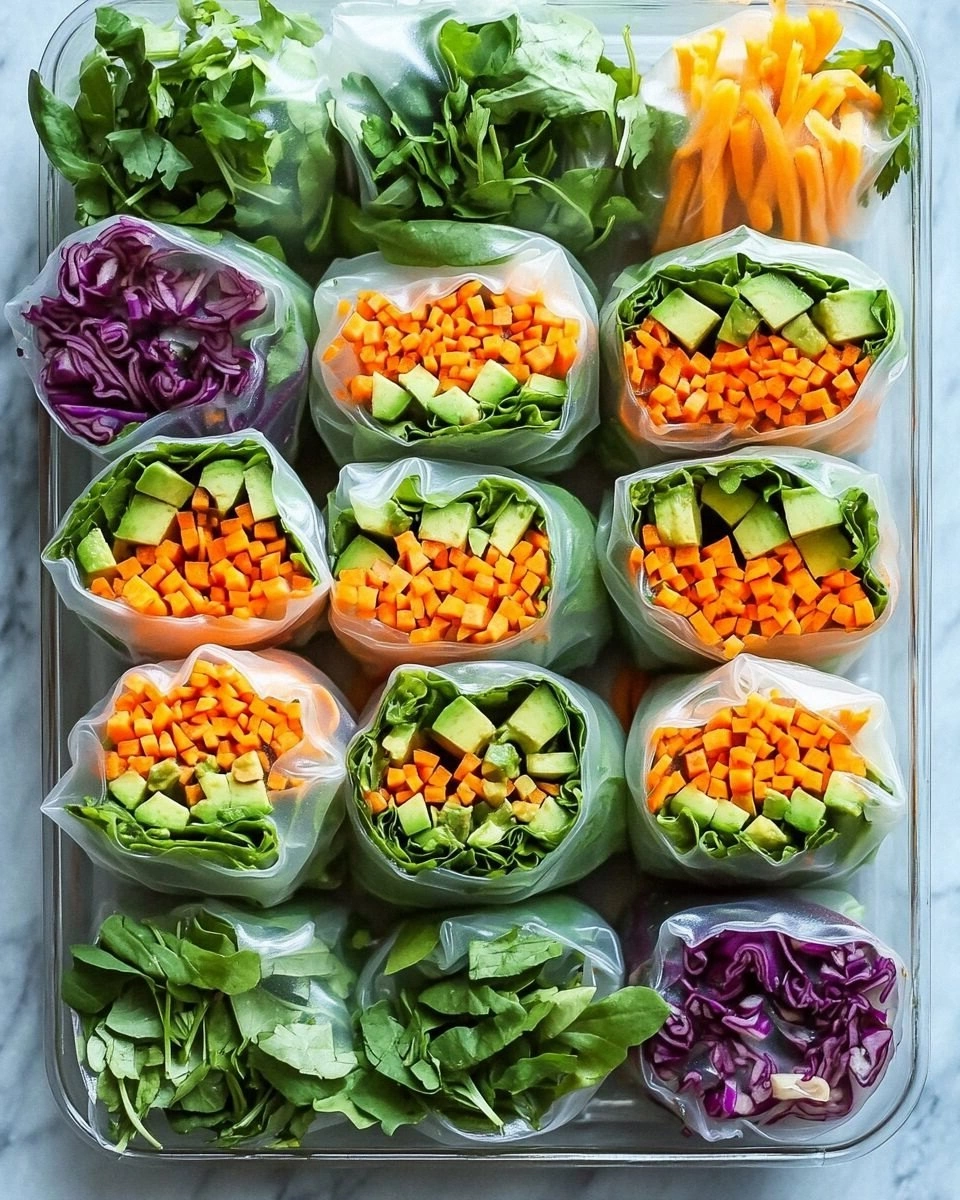
The Method — Step by Step
- Soak the rice paper wrappers in warm water, one at a time, for 10–12 seconds until pliable. Place the softened wrapper on a clean, damp towel to keep it from drying out. This step is crucial—if the wrapper is too dry, it will crack when you try to roll. I always keep a timer so I don’t over‑soak and end up with a soggy wrapper.
- Arrange a sheet of parchment or a clean towel on a flat surface. Place a softened wrapper in the center, leaving a small space on one side. Lay a thin layer of lettuce, followed by a handful of bean sprouts, a few slices of carrot, cucumber, and bell pepper. Add a sprinkle of mint, cilantro, basil, and a few cubes of tofu or shrimp. Finish with a spoonful of cooked vermicelli. The key is to keep the filling thin—too much and the roll won’t fold properly.
- Dip your fingers in a shallow dish of warm water to keep them slick. Pick up the sides of the wrapper and fold them over the filling, then tuck in the ends to seal. Roll tightly but gently to avoid tearing. The rolled spring should be firm enough to hold its shape but still pliable. If the wrapper starts to tear, press it flat and let it dry for a moment before trying again.
- Repeat the process with the remaining wrappers and fillings. Keep the rolled spring rolls on a tray lined with parchment paper. If you’re preparing ahead, cover them with a damp cloth to prevent drying.
- While the rolls are assembling, finish the peanut sauce. In a small saucepan, combine 2 tablespoons of peanut butter, 2 tablespoons of hoisin sauce, 1 tablespoon of lime juice, 1 clove of minced garlic, 1 teaspoon of sliced chili, 1 tablespoon of water, and 1 teaspoon of sesame oil. Warm over low heat, stirring until the mixture is smooth and glossy. The sauce should be thick enough to coat the roll without dripping.
- Taste the sauce and adjust—add a pinch of salt if needed, or a splash of lime for extra brightness. The sauce should smell nutty, slightly sweet, and just a hint of heat. When ready, let it cool to room temperature; it will thicken slightly as it cools.
- Serve the spring rolls with the peanut sauce on the side or drizzle it over the top. A small bowl of extra sauce is always handy for dipping. The aroma of the sauce should fill the room, making the anticipation almost tangible.
- Optional: For a crispier edge, lightly sauté the finished rolls in a hot pan with a splash of oil for 1–2 minutes per side. This step adds a buttery crunch that contrasts beautifully with the fresh ingredients.
That’s it — you did it. But hold on, I've got a few more tricks that'll take this to another level...
Insider Tricks for Flawless Results
The Temperature Rule Nobody Follows
The water temperature for soaking wrappers matters more than you think. Warm water (about 110°F) softens the wrapper without making it soggy. If the water is too hot, the wrapper will become mushy; if it's too cold, it won't soften quickly, leading to a brittle roll. I always test one wrapper before diving into the rest—just a quick dip and a quick check.
Why Your Nose Knows Best
Before you assemble, give the sauce a sniff. A sweet, nutty aroma signals that the peanuts are roasted well. If it smells bland, add a pinch of sugar or a splash of hoisin to deepen the flavor. My friend once skipped the roasting step and the sauce tasted flat—don’t make the same mistake.
The 5-Minute Rest That Changes Everything
After rolling, let the spring rolls rest for five minutes. This allows the wrappers to set and the flavors to meld. During this brief pause, the rice paper will firm up slightly, making the rolls easier to handle when serving. It also gives the sauce a chance to thicken and coat the roll more evenly.
Keep It Cool
If you’re preparing ahead, store the rolls in an airtight container with a paper towel to absorb moisture. Keep them in the refrigerator for up to 24 hours. When ready to serve, let them sit at room temperature for 10 minutes so they’re not too cold. A quick dip in warm water before serving will revive any stiffness.
The Secret of the Crunch
For an extra crunch, toss the sliced carrots and cucumber in a little rice vinegar and sugar before rolling. The slight acidity and sweetness will keep the veggies crisp, even after sitting. This trick is a game-changer for parties where the rolls sit on a platter for a while.
Creative Twists and Variations
This recipe is a playground. Here are some of my favorite ways to switch things up:
Smoky Chipotle Roll
Add a teaspoon of chipotle in adobo to the peanut sauce and swap the cilantro for smoked oregano. The smoky heat pairs beautifully with the nutty sauce, creating a bold flavor profile that’s perfect for a summer BBQ.
Tropical Pineapple Roll
Replace the cucumber with diced fresh pineapple and add a handful of shredded coconut to the filling. The sweet, juicy pineapple contrasts with the savory sauce, offering a tropical twist that’s refreshing.
Spicy Peanut & Shrimp Roll
Swap tofu for shrimp and add a dash of sriracha to the sauce. The shrimp’s natural sweetness and the sriracha’s kick make for a dynamic flavor that’s sure to impress.
Mediterranean Falafel Roll
Use falafel balls as the protein and sprinkle some crumbled feta over the filling. The creamy feta and earthy falafel blend with the fresh herbs for a Mediterranean-inspired roll.
Vegan Chocolate Peanut Roll
Add a drizzle of dark chocolate over the finished roll and sprinkle with crushed nuts. The chocolate’s bittersweet depth complements the peanut sauce, creating a dessert-like experience.
Storing and Bringing It Back to Life
Fridge Storage
Store the rolls in an airtight container with a paper towel to absorb excess moisture. Keep them in the refrigerator for up to 24 hours. The paper towel will keep the wrappers from becoming soggy while still maintaining their pliability.
Freezer Friendly
Wrap each roll individually in plastic wrap and place them in a freezer bag. Freeze for up to 2 weeks. When ready to eat, thaw at room temperature for 20 minutes before reheating.
Best Reheating Method
To revive the crispness, heat a non‑stick skillet over medium heat and lightly drizzle a few drops of oil. Place the rolls in the skillet and toast each side for 30 seconds. Alternatively, microwave on low for 15–20 seconds and then finish in the skillet for a crisp finish. A tiny splash of water before reheating helps steam the wrappers back to a pleasant softness.