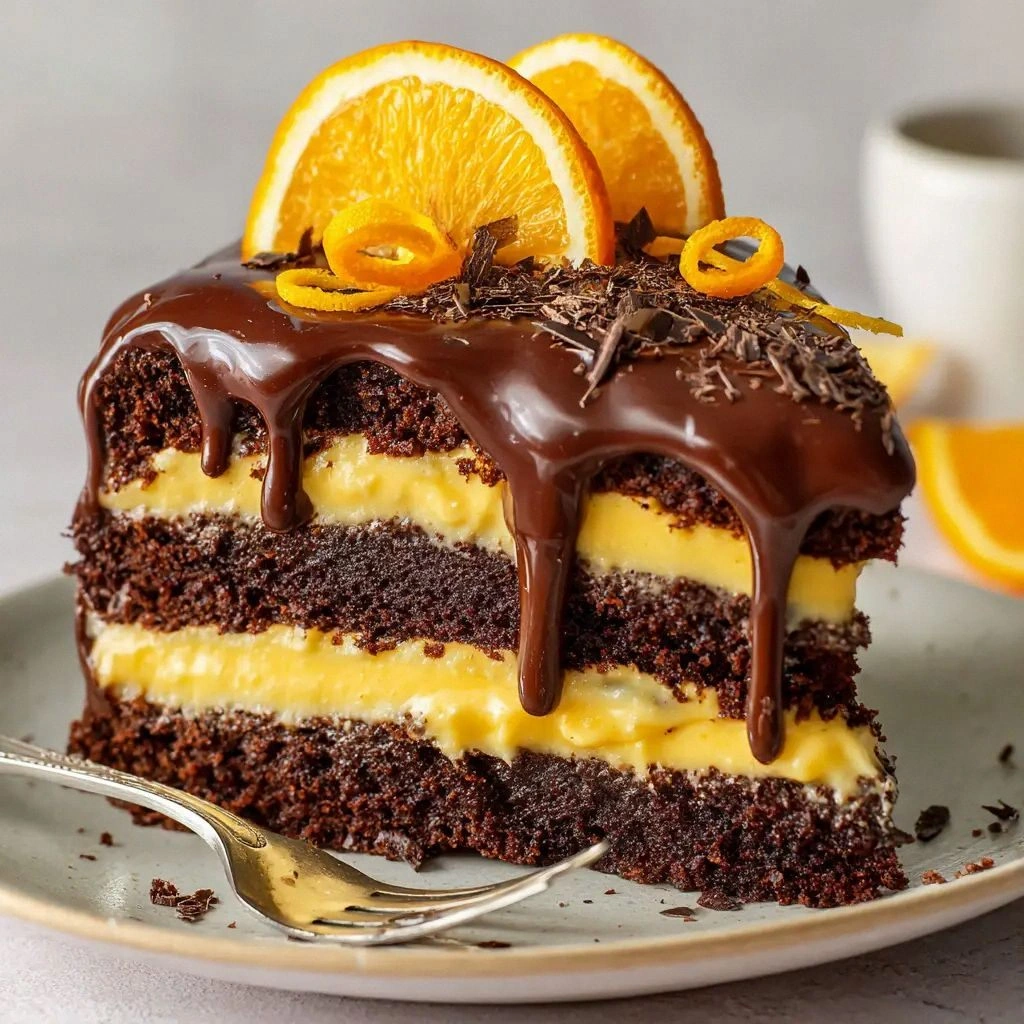
Picture this: I’m in the middle of a holiday gathering, the kitchen smells like burnt sugar, and the dessert table is a sad, empty canvas. My friend, ever the culinary daredevil, challenges me to create a chocolate cake that also feels like a citrus sunrise. I stared at my pantry, laughed, and decided the answer was a chocolate orange layer cake that would make even the most skeptical taste buds swoon. I’ve spent the last week experimenting with coffee, zest, and a secret chocolate blend that gives this cake a depth that feels like velvet and a splash of sunshine all at once. If you’ve ever been disappointed by a cake that tastes like a generic chocolate bar, stay tuned—this is the kind of dessert that will rewrite your expectations.
The first thing that hits you is the aroma: a rich, dark chocolate scent that’s punctuated by bright citrus notes and a whisper of espresso. The sound of the batter stirring is a rhythmic, comforting hum, like a lullaby that promises indulgence. When the cake comes out of the oven, the golden crust crackles slightly, revealing a moist, tender crumb inside. The first bite melts in your mouth, the chocolate’s bittersweet richness mingling with the zesty orange that cuts through the sweetness like a crisp wind. The finish is a lingering citrus tang that lingers on the palate, leaving you craving another bite.
What makes this version stand out is that it’s not just a chocolate cake with orange; it’s a carefully orchestrated symphony of flavors and textures. The coffee infusion deepens the chocolate’s profile, creating a complex palate that feels both familiar and adventurous. The orange zest is fresh, not dried or powdered, so it delivers a bright, aromatic punch that lifts the entire dish. The buttercream is airy yet rich, thanks to the heavy cream and chocolate chips that give it a silky mouthfeel. The final touch—dark chocolate shards—provides a satisfying crunch that contrasts beautifully with the cake’s softness. Together, these elements create a dessert that feels both indulgent and refined, making it a showstopper for any occasion.
I’ll be honest—when I first baked this cake, I tasted a slice and immediately knew I had to share it. I dared my friends to taste it and not go back for seconds, and they all agreed. The result? A crowd that can’t stop raving, a kitchen that smells heavenly, and a dessert that feels like a celebration in every bite. Picture yourself pulling this cake out of the oven, the whole kitchen smelling incredible, and everyone’s eyes lighting up in anticipation. That’s the magic I want you to experience. Let me walk you through every single step—by the end, you’ll wonder how you ever made it any other way.
What Makes This Version Stand Out
- Depth of Flavor: The subtle espresso infusion adds a layer of complexity that elevates the chocolate beyond the ordinary. It’s like adding a secret spice to a classic dish—immediately transformative. The result is a cake that tastes like a well-aged wine, with notes that linger on the tongue.
- Bright Citrus Counterpoint: Fresh orange zest and juice provide a sharp, bright counterbalance to the chocolate’s richness. It’s not just a flavor; it’s a lift that keeps the dessert from feeling too heavy. The citrus also offers a natural acidity that brightens the overall profile.
- Texture Play: The buttercream’s airy consistency contrasts beautifully with the dense, moist cake layers. The dark chocolate shards add a crunchy element that breaks up the richness. This textural harmony keeps every bite interesting.
- Visual Appeal: The glossy finish of the frosting and the glossy shine of the chocolate shards create an eye‑catching presentation. A slice looks almost too good to eat, which is exactly the point. The cake’s color palette feels both elegant and festive.
- Make‑Ahead Friendly: Once assembled, this cake stays fresh for up to five days in the refrigerator, and it even tastes better after a day or two. The layers set nicely, allowing for a clean, professional look when you’re ready to serve. This is a win for busy hosts who need to prep ahead.
- Ingredient Quality: Using high‑quality dark chocolate and fresh oranges transforms the dish from good to unforgettable. The quality of each component matters, and that’s why this recipe feels premium. It’s a reminder that great desserts start with great ingredients.
Alright, let’s break down exactly what goes into this masterpiece. The ingredients may look familiar, but the way they work together is truly unique.
Inside the Ingredient List
The Flavor Base
The all‑purpose flour and granulated sugar create the foundation of the cake’s structure and sweetness. The flour provides lift and texture, while the sugar ensures a tender crumb. Together they form a canvas that can absorb the coffee and chocolate flavors without becoming too dense.
The dark cocoa powder is the heart of the chocolate flavor. Choosing a high‑percent cocoa gives depth and a slight bitterness that balances the sugar. If you prefer a sweeter cake, consider using a 70% cocoa, but the 75% here is the sweet spot for a sophisticated bite.
The Texture Crew
Eggs act as the binding agent, helping the batter rise and hold together. The vegetable oil keeps the cake moist, preventing it from drying out over time. Buttermilk adds a slight tang that brightens the flavor and tenderizes the crumb.
The hot coffee not only deepens the chocolate flavor but also activates the baking soda, giving the cake a subtle lift. If you’re avoiding caffeine, replace the coffee with hot water and add a splash of espresso powder for the same effect.
The Unexpected Star
Unsalted butter is the source of richness in both the cake and the frosting. It’s essential for achieving a silky mouthfeel. When melted and cooled, the butter adds a subtle caramel note that complements the chocolate.
Powdered sugar, when blended with heavy cream, creates the buttercream’s airy texture. The cream’s fat content gives the frosting a velvety smoothness that’s hard to resist. The orange zest and juice are the secret weapons that bring brightness and depth.
The Final Flourish
The orange extract adds a concentrated citrus flavor that’s more intense than zest alone. It’s especially useful if you’re using a small orange or want a more pronounced citrus note. The dark chocolate chips and dark chocolate block provide the final chocolate burst that gives the cake a bittersweet finish.
Everything’s prepped? Good. Let’s get into the real action.
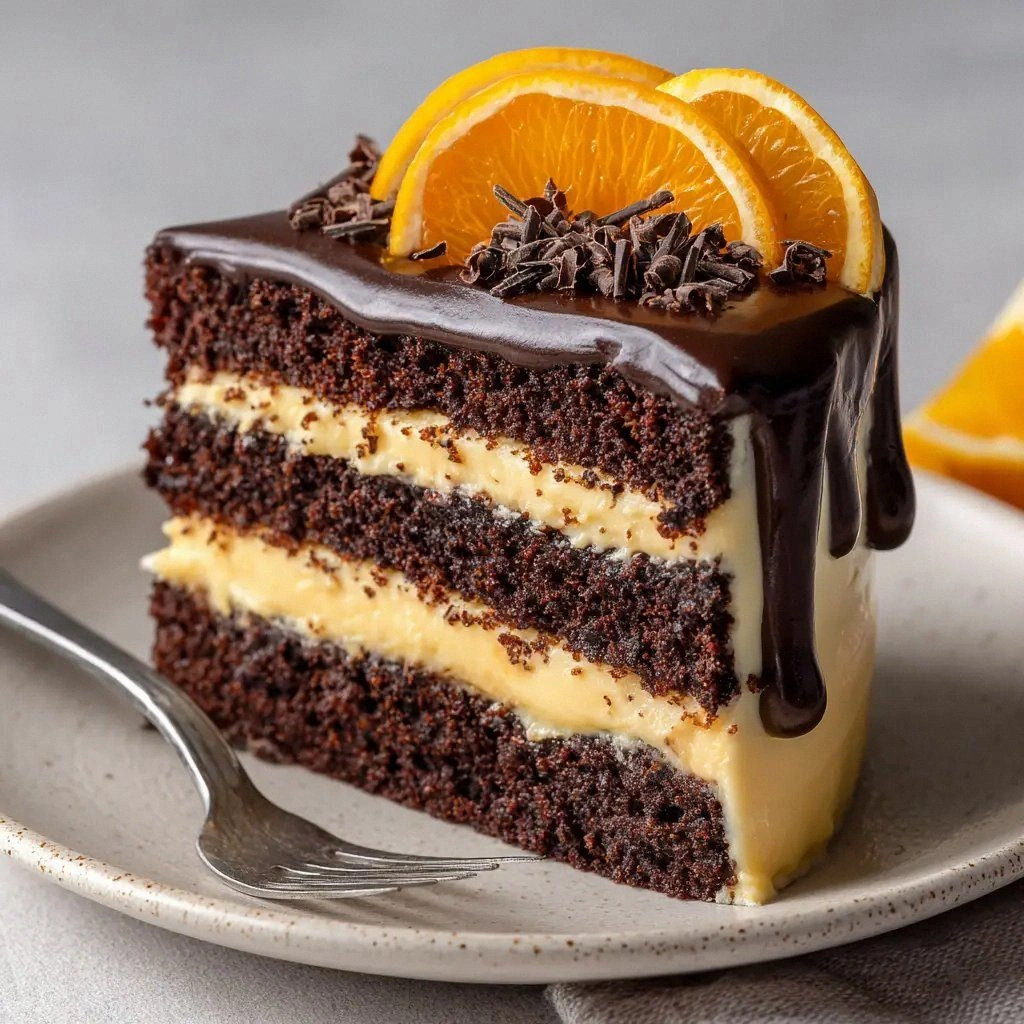
The Method — Step by Step
- Preheat your oven to 350°F (175°C). Grease and flour two 8‑inch round pans to prevent sticking. Line the bottom with parchment for a clean release. Place the pans on the middle rack to ensure even baking. The oven should be preheated for at least 10 minutes to maintain consistent heat.
- In a large bowl, whisk together the flour, sugar, cocoa powder, baking soda, and salt. Make sure the dry ingredients are well mixed to avoid clumps. This step is crucial for even distribution of flavors. The mixture should look like fine sand when sifted. A smooth batter will result in a tender crumb.
- In a separate bowl, combine the eggs, vegetable oil, buttermilk, and melted butter. Whisk until the mixture is smooth and glossy. This wet blend is the lifeline of the cake’s moistness. The butter’s fat content helps keep the crumb tender. When you pour this into the dry mix, you’ll see the batter start to thicken.
- Pour the wet mixture into the dry ingredients gradually, whisking continuously. The batter should be smooth and pourable, but not runny. If it’s too thick, add a splash of milk or water. If it’s too thin, add a bit more flour. A well‑balanced batter is key to a perfect rise.
- Divide the batter evenly between the prepared pans. Tap the pans gently on the counter to release any air bubbles. The batter should sit evenly in the pans to ensure uniform baking. This step prevents uneven rise and ensures a level top for frosting.
- Bake for 25–30 minutes, or until a toothpick inserted into the center comes out clean. The cake should have a slightly glossy top and a firm crumb. Let the cakes cool in the pans for 10 minutes before transferring them to a wire rack. Cooling prevents the cake from sticking to the pan.
- While the cakes cool, prepare the buttercream. In a stand mixer, beat the powdered sugar, heavy cream, orange zest, orange juice, and orange extract until fluffy. The mixture should be light and airy, with no lumps. The citrus will give the frosting a bright, fresh taste that cuts through the chocolate.
- Let the cakes cool completely before frosting. A warm cake can melt the buttercream, causing it to slide off. Patience pays off here—wait until the cakes are at room temperature. The frosting will set better on a cool surface.
- Place one cake layer on a serving plate. Spread a generous amount of frosting on top. Add the second layer, then apply a thin crumb coat over the entire cake. Chill for 15 minutes to set the crumb coat, preventing crumbs from sticking to the final frosting.
- Apply a final, thick layer of frosting, smoothing it with a spatula. This layer should be glossy and even, giving the cake a professional finish. The buttercream’s lightness contrasts beautifully with the dense chocolate layers.
- Tear the dark chocolate block into shards and sprinkle them over the frosting. The shards add a crunchy texture and a bittersweet finish. The chocolate’s slight bitterness balances the sweetness of the cake.
- Optional: Drizzle a thin line of orange glaze over the top for an extra burst of citrus. Chill the cake for at least 30 minutes before serving. This allows the flavors to meld and the frosting to set firmly.
That’s it— you did it. But hold on, I’ve got a few more tricks that will take this to another level.
Insider Tricks for Flawless Results
The Temperature Rule Nobody Follows
Never bake at a temperature that’s too low, or the cake will be dense. Even a 5°F difference can change the texture. I’ve seen cakes rise beautifully at 350°F, but if your oven runs hot, lower it by 25°F to avoid overbrowning.
Why Your Nose Knows Best
The aroma of baking chocolate is a reliable indicator of doneness. When you smell a faint, nutty scent, the cake is close to ready. Trust your nose; it’s more accurate than a timer in many cases.
The 5-Minute Rest That Changes Everything
Letting the cake rest for 5 minutes after baking helps the structure set. It prevents the cake from collapsing when you transfer it. This simple step ensures a level surface for frosting.
The Secret of the Shimmer
A final dusting of powdered sugar gives the cake a subtle, elegant finish. It also adds a hint of crunch. The sugar crystals catch the light, making the cake look even more decadent.
The Right Way to Store Orange Juice
Always use freshly squeezed orange juice for the best flavor. If you must use bottled, choose a 100% pure juice with no added sugars. Fresh juice will keep the citrus notes bright and vibrant.
The Final Touch of Espresso
A splash of espresso, not just coffee, adds depth. It intensifies the chocolate’s flavor profile and gives the cake a subtle aftertaste. This is a small change that makes a big difference.
Creative Twists and Variations
This recipe is a playground. Here are some of my favorite ways to switch things up:
Coconut Twist
Replace half the butter with coconut oil and fold in shredded coconut into the batter. The coconut adds a tropical flavor that pairs wonderfully with the chocolate. It also gives the cake a slightly chewy texture.
Nutty Surprise
Add chopped walnuts or pecans to the batter. The nuts provide a crunchy bite that contrasts the cake’s softness. They also add a subtle earthiness that complements the chocolate.
Spiced Delight
Add a pinch of cinnamon and a dash of nutmeg to the dry mix. The spices give the cake a warm, aromatic quality. This variation is perfect for fall or winter celebrations.
Minty Fresh
Incorporate a teaspoon of mint extract into the buttercream. The mint gives a refreshing aftertaste that balances the richness. It’s a subtle but delightful twist.
Berry Burst
Fold in fresh raspberries or blueberries into the batter. The berries add a burst of juiciness and tartness. This version is great for summer gatherings.
Chocolate Ganache Finish
Replace the buttercream with a dark chocolate ganache. The ganache gives a glossy, decadent finish. It’s a bit richer, so it’s best served in small slices.
Storing and Bringing It Back to Life
Fridge Storage
Store the assembled cake in an airtight container in the refrigerator for up to five days. Cover the top with a paper towel to prevent the frosting from drying out. The cake remains moist and flavorful.
Freezer Friendly
Wrap the cake tightly in plastic wrap and then aluminum foil before freezing. It can stay in the freezer for up to two months. Thaw overnight in the fridge before serving.
Best Reheating Method
If the cake feels a bit cold, place it in a preheated oven at 300°F (150°C) for 5 minutes. A tiny splash of water on the cake’s surface creates steam, keeping the frosting from drying. Let it cool before slicing.
I hope you’re ready to bring this masterpiece to your kitchen. Remember, the secret isn’t just in the ingredients—it’s in the love and attention you pour into every step. Enjoy every bite!