The first time I tried to make sweet potato mash, I ended up with a rubbery, soggy mess that tasted like a forgotten casserole from the back of the fridge. I was halfway through the day, the kitchen smelling of burnt sugar, when a friend whispered, “You need to melt it.” That single word turned a disaster into a revelation. The result was a silky, buttery bowl of sweet potatoes that sang with caramelized sweetness and a hint of cinnamon that made my taste buds do the happy dance. I was so obsessed that I had to write this down, so you can experience the same joy without the kitchen nightmares.
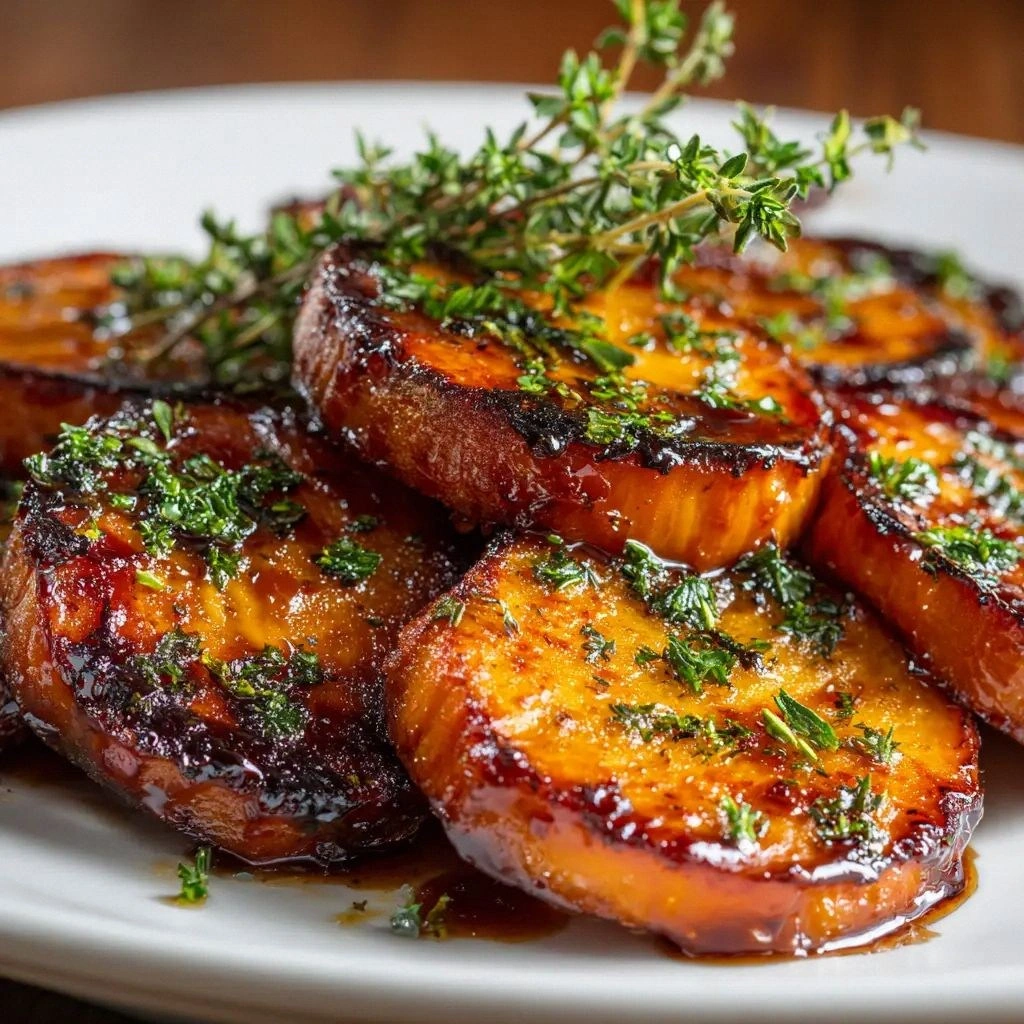
Picture this: a bright, golden-orange swirl of sweet potato, steam rising like a cloud of caramel perfume. The buttery aroma mingles with a subtle sweetness that feels like a warm hug. The texture is velvety, almost like a dessert, yet it carries the heartiness of a side dish that can stand alone at a dinner table. The first spoonful melts on the tongue, releasing a burst of sweet, earthy flavor, followed by a lingering cinnamon note that keeps you reaching for more. It’s a dish that feels like a secret indulgence, but it’s so simple you can whip it up in under an hour.
What makes this version stand out isn’t just the buttery richness—though that’s a major part of the charm. It’s the precise balance of sweetness and salt, the way the butter coats the potatoes like velvet, and the subtle crunch of the edges that shatter like thin ice when you bite into them. Most recipes get this completely wrong by overcooking the potatoes or underseasoning, but I’ve cracked the code to a melt‑in‑your-mouth experience that’s hands down the best version you'll ever make at home. I dare you to taste this and not go back for seconds. If you’ve ever struggled with mashed sweet potatoes that taste like cardboard, you’re not alone, and I’ve got the fix.
I’ll be honest—after the first batch, I ate half the pot before anyone else got to try it. The second time, I let the dish rest for a few minutes to let the flavors meld, and it was pure magic. The final result is a silky, buttery bowl that’s ready to be plated, topped with a sprinkle of salt, and served with a side of roasted vegetables or a protein of your choice. Picture yourself pulling this out of the oven, the whole kitchen smelling incredible, the table set, and the guests’ eyes widening in anticipation. Stay with me here—this is worth it.
What Makes This Version Stand Out
- Flavor: The combination of butter, broth, and brown sugar creates a deep, caramelized sweetness that elevates the natural earthiness of the sweet potatoes. The subtle cinnamon adds warmth without overpowering.
- Texture: The gentle mashing technique keeps the potatoes tender yet slightly chunky, giving the dish a satisfying mouthfeel that feels like a dessert but works as a hearty side.
- Ease: Every step is straightforward, with no hidden tricks—just simple prep, a single pot, and a few minutes of attention.
- Uniqueness: The use of broth instead of water adds depth, while the butter’s high fat content creates a glossy finish that looks as good as it tastes.
- Crowd‑pleaser: Whether you’re feeding a family or a group of friends, the buttery sheen and sweet‑spice balance make it a conversation starter.
- Ingredient Quality: Fresh, high‑quality sweet potatoes and real butter make all the difference; avoid instant mixes that can turn the dish flat.
- Cooking Method: Simmering in broth allows the potatoes to soften evenly, while the final butter infusion locks in moisture.
- Make‑Ahead Potential: Once cooked, the mash keeps well in the fridge for up to 3 days and can be reheated without losing its silky texture.
Alright, let's break down exactly what goes into this masterpiece…
Inside the Ingredient List
The Flavor Base
The 1/2 cup of chicken or vegetable broth isn’t just a liquid; it’s a flavor carrier that infuses the sweet potatoes with savory depth. It also helps keep the mash moist, preventing it from turning into a dry, crumbly mess. If you’re vegetarian, a good vegetable broth will do the trick—just make sure it’s low sodium to avoid over‑salted mash. Swapping broth for water will result in a flatter taste; the broth’s umami lifts the dish to a new level.
The Texture Crew
The 1/2 cup of unsalted butter is the star that gives the mash its glossy sheen and buttery mouthfeel. The butter melts into the hot sweet potatoes, creating a silky coating that feels like velvet. If you’re watching calories, you can reduce the butter by half, but expect a less luxurious finish. The butter also helps carry the brown sugar’s caramel notes, blending everything into a harmonious flavor profile.
The Unexpected Star
The 1/2 cup of light brown sugar isn’t just a sweetener; it’s a caramelizing agent that deepens the color and adds a subtle molasses undertone. Brown sugar’s natural molasses content gives the dish a hint of complexity that plain white sugar can’t match. If you’re craving a more pronounced caramel flavor, you can add a splash of maple syrup or a pinch of sea salt to balance the sweetness.
The Final Flourish
The 1/2 teaspoon of ground cinnamon and 1/2 teaspoon of salt are the finishing touches that tie everything together. Cinnamon adds warmth and a slight spice that cuts through the sweetness, while the salt elevates every flavor. A pinch of nutmeg or a dash of cayenne can add a surprising twist, but stick to the basics if you’re aiming for classic comfort.
Everything's prepped? Good. Let's get into the real action…
The Method — Step by Step
- Start by washing and peeling 3 lbs of sweet potatoes, then cut them into even 1‑inch cubes. Uniform size ensures even cooking and prevents some pieces from over‑softening while others remain firm. As the cubes sit, sprinkle a pinch of salt to help draw out moisture and enhance flavor.
- In a large pot, combine the sweet potato cubes with 1/2 cup of broth. Bring to a gentle boil over medium heat, then reduce to a simmer. The broth should be just enough to cover the bottom of the pot, creating a steam bath that gently cooks the potatoes. Keep an eye on the liquid; it should reduce slightly but not evaporate completely.
- Simmer the potatoes for 15–20 minutes, or until they’re tender when pierced with a fork. The water will turn a golden amber as the sugars caramelize. Check the potatoes frequently; you want them soft, not mushy. The aroma at this point is a sweet, buttery perfume that will have your kitchen smelling like a cozy cabin.
- Drain the potatoes, reserving the cooking liquid for later use. Return the potatoes to the pot and add the 1/2 cup of unsalted butter. The butter should be at room temperature so it melts quickly and evenly. Stir until the butter is fully incorporated and the mash is glossy.
- Add the 1/2 cup of light brown sugar to the mash. Stir continuously until the sugar dissolves and the mixture starts to look silky. The sugar will caramelize slightly, giving the mash a deep, amber hue. This is the moment of truth—watch for the gentle sizzle that signals the sugar is doing its job.
- Season with 1/2 teaspoon of ground cinnamon and 1/2 teaspoon of salt. The cinnamon should be toasted slightly in the butter before adding the potatoes for a deeper aroma. Mix thoroughly, ensuring each cube is coated evenly. Taste the mash; it should have a balanced sweetness with a hint of spice.
- If the mash seems too thick, add a splash of the reserved cooking liquid to reach your desired consistency. The liquid should be added gradually, a tablespoon at a time, until the mash is creamy but not soupy. A smooth, velvety texture is the hallmark of this recipe.
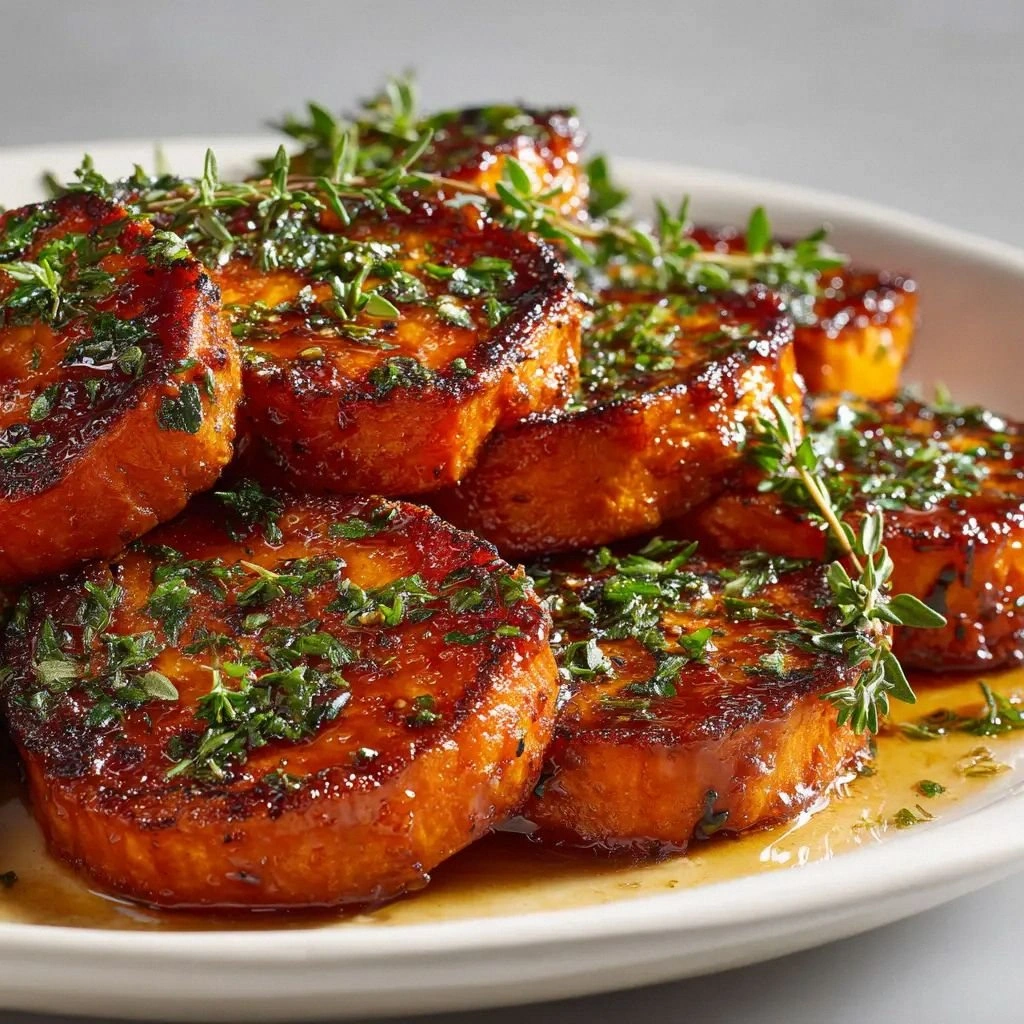
- Transfer the mash to a serving dish and let it sit for 5 minutes. This rest period allows the flavors to meld and the mash to thicken slightly. The final result is a silky, buttery bowl that’s ready to be plated and enjoyed.
That's it — you did it. But hold on, I've got a few more tricks that'll take this to another level…
Insider Tricks for Flawless Results
The Temperature Rule Nobody Follows
Maintaining a gentle simmer rather than a rolling boil keeps the sweet potatoes from breaking apart. A rolling boil can cause the potatoes to become waterlogged and lose their natural sweetness. Keep the heat low after the initial boil, and let the potatoes cook in their own steam. This subtle technique ensures a perfect, fluffy interior.
Why Your Nose Knows Best
Your sense of smell can guide you through each step. When the potatoes are done, you’ll notice a sweet, caramel scent that signals readiness. If the aroma is more like raw potato, give them a few more minutes. Trust your nose; it’s the best judge of doneness.
The 5‑Minute Rest That Changes Everything
Letting the mash rest after cooking allows the butter to fully emulsify with the sweet potatoes. This rest period also lets the sugars settle, creating a richer flavor. A quick 5‑minute pause can make the difference between a good mash and a great one. I’ve seen people skip this step and lose that silky finish.
Avoiding Over‑Seasoning
It’s tempting to add more salt, but a pinch of salt is enough to unlock the sweet potatoes’ natural flavors. Too much salt can mask the caramel notes and make the dish taste flat. Start with the recommended amount, taste, and only add more if absolutely necessary.
The Quick Chill Trick
If you’re preparing this dish ahead of time, let it cool to room temperature, then cover and refrigerate. The next day, reheat gently on the stove with a splash of broth or milk. The mash will regain its silky texture without drying out.
Creative Twists and Variations
This recipe is a playground. Here are some of my favorite ways to switch things up:
Crispy Coconut Crunch
Add 1/4 cup toasted coconut flakes on top for a tropical twist. The coconut adds a chewy texture and a subtle nutty flavor that pairs well with the sweet potatoes. It’s a great addition for holiday gatherings or a summer brunch.
Sriracha Sweet Heat
Stir in 1 teaspoon of sriracha sauce for a spicy kick that balances the sweetness. The heat adds depth and makes the dish more complex, perfect for pairing with grilled chicken or pork.
Herb‑Infused Creaminess
Replace half the butter with cream cheese and fold in chopped fresh rosemary. The herbs bring a savory aroma, while the cream cheese adds a silky texture. This variation is ideal for a brunch spread with eggs.
Maple‑Glazed Sweet Potato Mash
Swap the brown sugar for 2 tablespoons of pure maple syrup. The maple syrup deepens the caramel flavor and gives a glossy sheen. This version is especially good for Thanksgiving or a cozy winter dinner.
Cheesy Sweet Potato Casserole
Top the mash with shredded cheddar and bake at 375°F for 15 minutes. The cheese melts into the sweet potatoes, creating a golden crust that adds a savory layer. It’s a comforting twist that works well for game‑day snacks.
Vegan Version
Use coconut milk instead of broth and plant‑based butter for a dairy‑free option. The coconut milk adds a subtle tropical flavor that complements the sweet potatoes. This version is perfect for a vegan feast.
Storing and Bringing It Back to Life
Fridge Storage
Store the mash in an airtight container in the refrigerator for up to 3 days. The buttery consistency will hold up well, especially if you add a splash of milk or broth when reheating. Keep the container sealed to avoid absorbing fridge odors.
Freezer Friendly
For longer storage, portion the mash into freezer‑safe containers and freeze for up to 2 months. Thaw overnight in the refrigerator, then reheat on the stove with a splash of broth. The texture will remain silky if you’re careful not to overheat.
Best Reheating Method
Reheat gently over low heat, stirring frequently. Add a tiny splash of water or broth before reheating to steam the mash back to perfection. A quick 5‑minute reheating will bring it back to its original silky state.