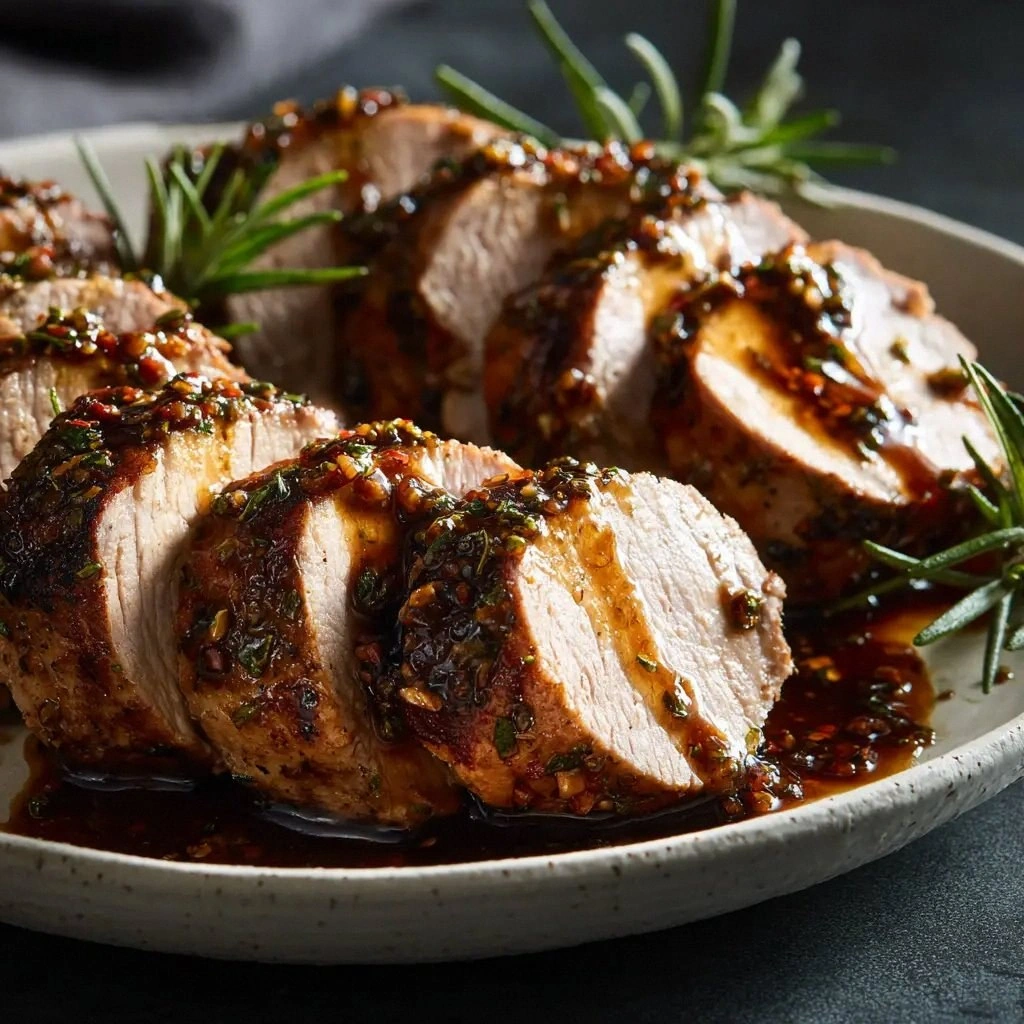
I remember the night I was halfway through a dinner party, the kitchen smelling like a burnt casserole and the guests already asking for dessert. The moment I saw the pork tenderloin staring back at me, I decided to throw everything into the pan and hope for a miracle. That disaster turned into a revelation when the tenderloin came out glossy, caramelized, and dripping with a maple‑mustard glaze that made my guests gasp. I was so stunned that I couldn’t stop myself from writing this recipe down. I dare you to taste this and not go back for seconds; it’s the kind of dish that turns a simple dinner into a headline act.
Picture yourself pulling this from the oven, the whole kitchen smelling incredible, the air thick with sweet maple, sharp mustard, and earthy rosemary. The first bite is a burst of savory and sweet, with a glaze that clings to the meat like velvet, while the interior stays tender and juicy. The contrast between the crisp, caramelized crust and the melt‑in‑your‑mouth center feels like a symphony of textures. If you’ve ever struggled with pork tenderloin turning dry or over‑seasoned, you’re not alone — and I’ve got the fix. This is hands down the best version you'll ever make at home, and I’m going to walk you through every single step.
I’m a food‑obsessed friend who loves to experiment, but I also hate wasting time on recipes that don’t deliver. That’s why this version is so special: it uses a simple glaze that balances sweet and savory, a quick sear that locks in moisture, and a finishing technique that keeps the pork juicy. The result is a dish that feels indulgent without being over‑the‑top, and it’s so easy that even a beginner can nail it. The key twist? A dash of whole grain mustard that adds a subtle bite and a hint of texture to the glaze. Ready for the game‑changer? Let’s dive in.
Most recipes get this completely wrong. They either over‑cook the pork, under‑season it, or use a glaze that dries out. Here, we’re going to do it right by focusing on moisture retention, balanced flavors, and a finishing touch that makes the glaze irresistible. The sauce coats the pork like a glossy coat of paint, creating a caramelized crust that still feels soft. The combination of maple syrup and mustard gives it depth, while rosemary brings a fresh herbal note that lifts the dish. Picture the aroma as it finishes roasting: sweet, herbaceous, and downright mouth‑watering. Stay with me here — this is worth it.
What Makes This Version Stand Out
- Flavor: The maple‑mustard glaze marries sweet and savory in a way that’s both comforting and exciting. The mustard’s tang cuts through the richness, while the maple adds a caramelized depth that lingers on the palate.
- Texture: A quick sear creates a caramelized crust that snaps like thin ice, but the interior stays silky and juicy thanks to a precise temperature control.
- Ease: No fancy equipment or complicated steps. A skillet, a baking dish, and a few minutes of prep are all you need.
- Time: Under 45 minutes from start to finish, making it perfect for week‑night dinners or last‑minute impressing.
- Ingredient Quality: Fresh rosemary and high‑quality maple syrup elevate the dish; the whole grain mustard adds a subtle crunch that’s unexpected.
- Make‑ahead Potential: The glaze can be pre‑made and stored, and the pork can be finished in the oven a day ahead for a quick reheating.
- Crowd Reaction: The glaze’s glossy sheen and sweet‑spicy bite always get compliments, even from the most skeptical food critics.
- Versatility: Works beautifully with sides like roasted root vegetables or a simple green salad.
Alright, let's break down exactly what goes into this masterpiece…
Inside the Ingredient List
The Flavor Base
Maple syrup is the star of the show, providing a deep, caramel flavor that’s far richer than any honey substitute. A quarter cup delivers just enough sweetness to complement the savory pork without overpowering it. If you can’t find pure maple syrup, try a high‑quality light brown sugar; the result will be slightly less complex but still delicious.
Dijon mustard brings bright acidity and a silky texture that helps bind the glaze together. Its sharpness balances the maple’s sweetness, preventing the dish from feeling cloying. If you prefer a milder mustard, substitute with whole grain mustard, but keep in mind the texture will change slightly.
The Texture Crew
Olive oil is essential for the sear; it prevents sticking and helps achieve that golden, caramelized crust. Use a light‑flavored olive oil to avoid overpowering the delicate balance of maple and mustard. A tablespoon is enough to coat the surface without making the pork greasy.
Whole grain mustard adds a subtle crunch and a layer of texture that’s not just about flavor. The tiny mustard seeds pop with each bite, giving a pleasant bite contrast. If you don’t have whole grain mustard, a regular yellow mustard will still work, but you’ll miss the textural element.
The Unexpected Star
Fresh rosemary is the aromatic hero that elevates the dish. Its piney, slightly peppery flavor cuts through the richness of the pork and the sweetness of the glaze. Use about a teaspoon for a subtle herbaceous backdrop; too much rosemary can dominate.
Garlic, minced finely, brings depth and umami to the glaze. It’s a classic pairing with pork, and the slight bitterness of garlic balances the maple’s sweetness. If you’re allergic to garlic, you can omit it, but the glaze will be a touch flatter.
The Final Flourish
Salt and pepper are the simplest yet most vital seasonings. A half teaspoon of salt and a quarter teaspoon of black pepper bring out the natural flavors of the pork without making it taste too salty. If you prefer a smoky flavor, add a pinch of smoked paprika.
Everything's prepped? Good. Let's get into the real action…
The Method — Step by Step
- Prep the pork: Trim any silver skin from the tenderloin and pat it dry with paper towels. Season both sides with salt and pepper, letting the meat absorb the seasoning for about 10 minutes. This step is crucial for a flavorful crust; skipping it will leave the pork bland. The aroma of seasoned pork will already start to hint at the final dish.
- Make the glaze: In a small bowl, whisk together maple syrup, Dijon mustard, whole grain mustard, minced garlic, and rosemary. The mixture should be smooth with a glossy sheen. A quick whisking ensures the mustard fully emulsifies, preventing separation during cooking. Keep the glaze ready for the next step.
- Heat the skillet: Place a heavy‑bottom skillet over medium‑high heat and add olive oil. When the oil shimmers, carefully lay the pork in the pan. The sizzle you hear is the first sign that the crust is forming; listen for it like a seasoned chef would.
- Sear the pork: Cook the pork for 2–3 minutes on each side until it develops a golden brown crust. Avoid moving it too much; let it sear to lock in juices. The crust should feel firm yet give slightly when you press it. This step is the moment of truth; if you rush it, the pork will be tough.
- Add the glaze: Pour the glaze over the pork, making sure it coats the entire surface. Use a spoon to baste the meat as it cooks, which helps build layers of flavor. The glaze should start to thicken and bubble, creating a sticky coating that clings to the meat.
- Finish in the oven: Transfer the skillet to a preheated 400°F (200°C) oven. Roast for 10–12 minutes, or until the internal temperature reaches 145°F (63°C). The glaze will caramelize further, giving the pork a glossy finish. A thermometer is your best friend; don’t guess.
- Rest the pork: Remove the skillet from the oven and let the pork rest on a cutting board for 5 minutes. The juices redistribute, ensuring each slice stays moist. While resting, let the glaze thicken into a luscious sauce.
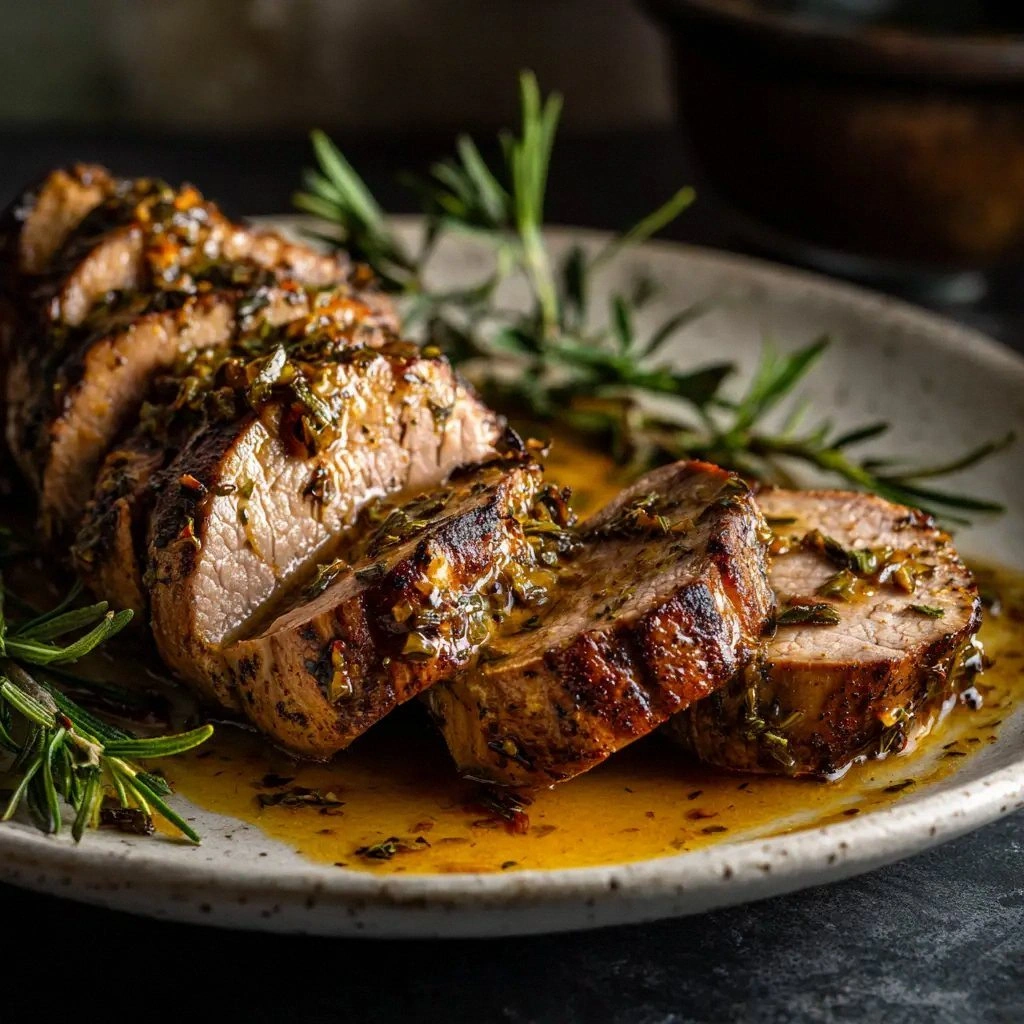
- Slice and serve: Slice the pork into ¼‑inch thick medallions. Plate with a drizzle of the reduced glaze, and garnish with a sprig of rosemary for a fresh pop. The final dish should look as good as it tastes, with a shiny glaze and a tender interior.
That’s it — you did it. But hold on, I've got a few more tricks that'll take this to another level. These insider tips will help you avoid common pitfalls and elevate the flavor profile even further.
Insider Tricks for Flawless Results
The Temperature Rule Nobody Follows
Many people cook pork at a high temperature, which can dry it out. I always use a thermometer and aim for 145°F. This low, steady heat keeps the pork juicy and allows the glaze to caramelize without burning. A friend once tried 500°F and ended up with a rubbery texture; let’s just say it didn’t end well.
Why Your Nose Knows Best
Before you pull the pork out of the oven, give it a quick sniff. If it smells sweet with a hint of mustard, you’re on the right track. If it smells burnt, you’re overcooking. Your nose is a reliable gauge for doneness, so trust it.
The 5‑Minute Rest That Changes Everything
Resting is not just a suggestion; it’s essential. During those 5 minutes, the juices redistribute, making every bite succulent. Skipping the rest will leave the pork dry and less flavorful. Think of it as a brief intermission that lets the flavors settle.
Keep It Cool Until Serving
If you’re serving the pork at a buffet or a party, keep it warm in a low oven (about 200°F) while you prepare the sides. This prevents the glaze from hardening and keeps the pork juicy. A friend once left it at room temperature and the glaze turned into a thick syrup; not ideal.
Use a Meat Thermometer
A digital thermometer is a small investment that saves a lot of guesswork. Insert it into the thickest part of the pork; once it hits 145°F, you’re done. The internal temperature is the most reliable indicator of doneness, more so than time alone.
Creative Twists and Variations
This recipe is a playground. Here are some of my favorite ways to switch things up:
Smoky Maple Glaze
Add a teaspoon of smoked paprika to the glaze for a subtle smoky flavor that pairs wonderfully with the maple. This variation is perfect for fall gatherings and pairs well with roasted sweet potatoes.
Citrus‑Infused Pork
Replace half the maple syrup with fresh orange juice and add a tablespoon of orange zest. The citrus brightens the dish and provides a fresh contrast to the rich pork.
Herb‑Rich Variation
Swap rosemary for thyme or sage to change the herbal profile. Each herb brings a different nuance: thyme is earthy, sage is slightly peppery, and sage adds a savory depth.
Spicy Kick
Add a pinch of cayenne pepper or a splash of hot sauce to the glaze for a fiery twist. The heat will cut through the sweetness and add an exciting layer of complexity.
Vegan Take‑Away
Use a plant‑based pork alternative and follow the same glaze and cooking method. The result is a vegan version that still delivers the same caramelized glaze and juicy texture.
Storing and Bringing It Back to Life
Fridge Storage
Store leftover pork in an airtight container in the refrigerator for up to 4 days. Wrap the glaze in a small paper towel to keep it from drying out. When you’re ready to eat, reheat gently in a skillet over low heat, adding a splash of water to create steam.
Freezer Friendly
Wrap the pork tightly in foil and place it in a freezer bag. It stays fresh for up to 2 months. Thaw overnight in the refrigerator before reheating; this prevents uneven heating.
Best Reheating Method
Reheat the pork in a preheated 350°F oven for 10 minutes, or until heated through. A tiny splash of water before reheating steams the pork back to perfection, keeping the glaze glossy and the meat tender.