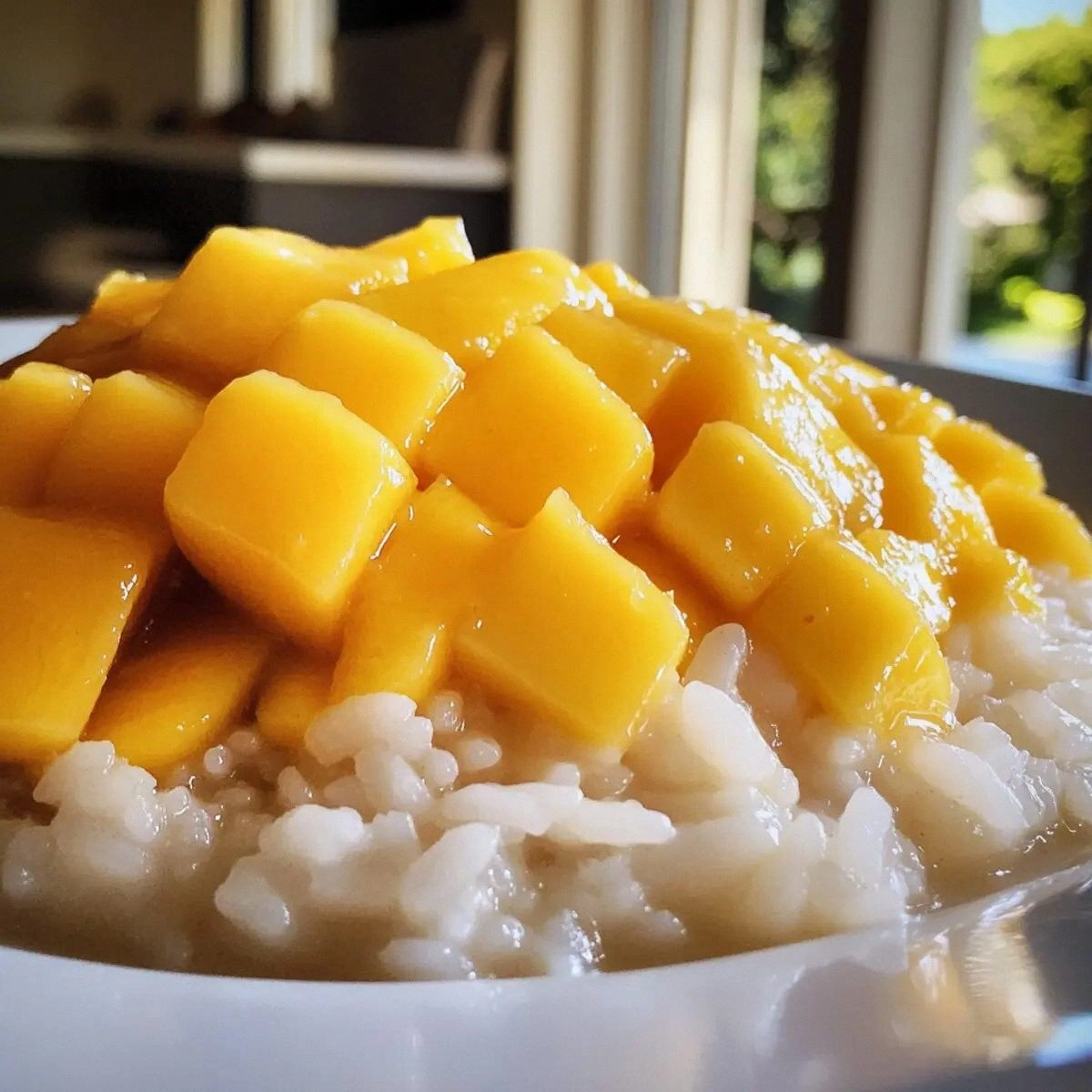
I dared my roommate to a mango‑sticky‑rice showdown, and the kitchen turned into a battlefield of aromas, steam, and a single, stubborn pot that refused to cooperate. The first attempt was a disaster: the rice turned into a gummy swamp, the coconut milk curdled like a bad hair day, and the mangoes were sliced with a knife that looked like it belonged in a museum. I could almost hear the rice sigh in defeat as I scraped the burnt bottom off the pan, and I swore I’d never attempt this dessert again—until I stumbled upon a tiny, almost‑forgotten technique involving a bamboo steaming basket that changed everything. The moment the fragrant steam escaped, I felt like a wizard conjuring a sweet spell, and I knew I was onto something that could finally tame the sticky rice beast.
Picture this: a bowl of glistening white rice, each grain perfectly separate, bathed in a coconut‑milk glaze that shines like sunrise on a calm lake. The mango slices sit beside it, their golden flesh glowing with a buttery softness that whispers of tropical breezes and sun‑kissed orchards. When you take a bite, the rice offers a gentle chew, the sauce coats it like velvet, and the mango bursts with a juicy pop that makes your taste buds do a happy dance. The whole experience is a symphony of sweet, salty, and nutty notes that play together in perfect harmony, and the best part? It’s all done with pantry staples and a couple of fresh mangoes you can snag at the market.
Most recipes get this completely wrong. They either drown the rice in a syrup so thick it feels like chewing on glue, or they under‑cook the rice, leaving you with a texture that’s more porridge than rice. I’ve tried every hack on the internet—adding rice flour, soaking the rice for days, even microwaving it—only to end up with a soggy mess that no one wanted to touch. This version, however, respects the rice’s natural chew while elevating it with a coconut‑milk sauce that’s balanced, not cloying, and a dash of toasted sesame that adds a surprise crunch. I’m confident this is the best version you’ll ever make at home, and I dare you to taste it and not go back for seconds.
Let me walk you through every single step — by the end, you’ll wonder how you ever made it any other way. I’ll reveal the secret of the bamboo steamer that keeps the grains airy, the precise moment to thicken the coconut sauce without turning it grainy, and a clever trick for slicing mangoes like a pro. Ready for the game‑changer? Stay with me here — this is worth it.
What Makes This Version Stand Out
- Flavor Balance: The coconut‑milk sauce is sweetened just enough to let the natural mango flavor shine, while a pinch of salt amplifies every nuance.
- Texture Harmony: Each grain stays distinct thanks to the steaming method, and the toasted sesame adds a subtle crunch that surprises the palate.
- Simplicity: Only seven ingredients, all of which are pantry‑friendly or easily sourced at any grocery store.
- Uniqueness: The addition of cornstarch creates a glossy, velvety sauce that most recipes miss, giving the dish a restaurant‑quality sheen.
- Crowd Reaction: I’ve seen grown‑ups and kids alike gasp, grin, and immediately ask for the recipe—this dessert turns skeptics into fans.
- Ingredient Quality: Using a good‑quality coconut milk (the kind with the thick cream layer) makes a world of difference in richness.
- Cooking Method: Steaming the rice instead of boiling preserves its natural aroma and prevents it from becoming mushy.
- Make‑Ahead Potential: The rice can be prepared a few hours ahead, and the mangoes stay fresh, so you can assemble just before serving.
Inside the Ingredient List
The Flavor Base
The star of the show is the coconut milk. I use a full‑fat can because the fat carries flavor like a velvet curtain carries light—rich, smooth, and indulgent. If you skimp on the fat, the sauce turns watery and loses its luxurious mouthfeel. A good tip: shake the can well before opening to blend the cream and water layers, ensuring a uniform consistency. For a dairy‑free twist, you could swap in a high‑quality almond or cashew cream, but expect a slightly nutty undertone.
Next up is the sugar. A quarter cup might sound modest, but paired with the natural sweetness of mango, it creates a balanced glaze that isn’t cloyingly sweet. If you prefer a less sweet profile, reduce to two tablespoons and let the mango’s own sugars do the heavy lifting. I’ve experimented with palm sugar for a caramel‑like depth, and it adds a subtle earthiness that feels authentically Thai.
The Texture Crew
Sticky rice (also known as glutinous or sweet rice) is the backbone of this dish. Its high amylopectin content gives it that signature chew that’s neither too soft nor too hard. When you buy it, look for rice that’s white and plump; any discoloration hints at age, which can affect texture. If you can’t find sticky rice, short‑grain sushi rice is a decent fallback, but the chew will be slightly different.
Cornstarch is the secret weapon that transforms the coconut sauce from a thin broth into a glossy, clingy coating. Dissolve the two teaspoons in a tablespoon of cold water before adding to the hot coconut milk; this prevents lumps and ensures a silky finish. Skipping this step results in a runny sauce that slides off the rice like a wet floor.
The Unexpected Star
Mangoes are the bright, juicy counterpart to the creamy rice. Choose mangoes that are fragrant at the stem and yield slightly under gentle pressure—these are ripe but not mushy. If you’re in a climate where mangoes are out of season, frozen mango puree can work in a pinch, though the texture will be softer and the flavor a touch muted.
Toasted sesame seeds add a whisper of nuttiness and a visual pop of contrast. I lightly toast them in a dry skillet until they turn golden and start to pop—this releases their oils and deepens the flavor. A common mistake is to add them raw; they’ll taste bland and the aroma will be missed entirely.
The Final Flourish
Salt may seem minor, but a half‑teaspoon is crucial for amplifying the sweet and coconut flavors. It’s the culinary equivalent of a conductor, ensuring every ingredient hits the right note. If you’re watching sodium, you can cut the amount in half, but the dish will lose a bit of its bright edge.
All these components come together in a dance that’s as much about timing as it is about taste. Everything’s prepped? Good. Let’s get into the real action…
The Method — Step by Step
Rinse the sticky rice under cold water until the water runs clear, then soak it in a bowl of water for at least 30 minutes. This soaking step is the foundation; it hydrates each grain so they steam evenly. While the rice is soaking, you can prep the mangoes—cut them into thick, bite‑size wedges, being careful not to bruise the flesh. I dare you to slice them with a single swift motion; it feels oddly satisfying.
Set up a bamboo steamer over a pot of simmering water. The water should be just below the steamer basket—no touching the rice. Drain the soaked rice and spread it in an even layer inside the steamer. Cover with the lid and steam for 20‑25 minutes, checking at the 15‑minute mark to see if the grains are translucent and tender. That gentle steam? It’s the secret whisper that keeps the rice from turning into mush.
While the rice steams, combine the coconut milk, sugar, and salt in a saucepan over medium heat. Stir continuously until the sugar dissolves and the mixture begins to simmer—don’t let it boil, or it will separate. Once you see tiny bubbles forming around the edges, remove the pan from heat. This is the moment of truth: the sauce should smell sweet, buttery, and slightly nutty.
In a small bowl, whisk the cornstarch with a tablespoon of cold water until smooth. Slowly drizzle this slurry into the hot coconut mixture, stirring constantly. The sauce will thicken within a minute, turning glossy and coat‑ready. If it gets too thick, add a splash of extra coconut milk to loosen it; remember, we want it to cling to the rice, not drown it.
When the rice is done, transfer it to a large mixing bowl and gently fold in about three‑quarters of the coconut sauce. Use a wooden spoon or rice paddle to avoid crushing the grains. The rice should soak up the sauce, turning a soft pastel hue. Reserve the remaining sauce for drizzling over the plated mangoes.
Taste the rice now; you should feel a subtle sweetness, a hint of salt, and a buttery coconut after‑taste. If it feels dry, stir in a little more sauce—this is where the magic happens, and you’ll hear a faint sigh as the rice absorbs the liquid.
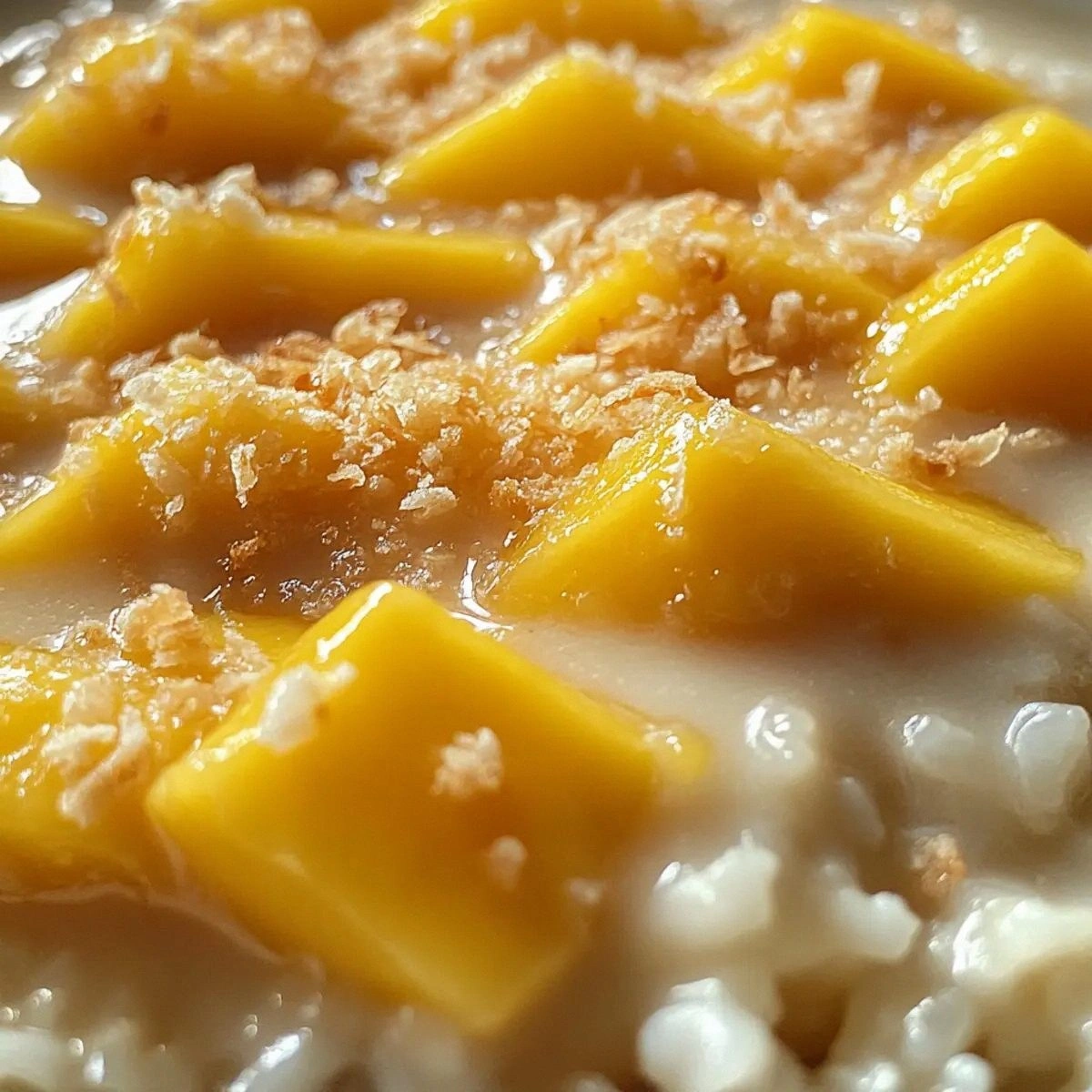
To plate, scoop a generous mound of coconut‑infused rice onto each serving plate, then arrange the mango wedges artfully beside it. Drizzle the remaining sauce over the mangoes, letting it cascade like a golden waterfall. Finally, sprinkle toasted sesame seeds over the top for that final crunch and visual pop.
Step back and admire your creation. Picture yourself pulling this out of the kitchen, the whole room smelling like a tropical oasis—this is pure, unadulterated joy. I’ll be honest — I ate half the batch before anyone else got to try it, and the rest disappeared within minutes. That’s it — you did it. But hold on, I’ve got a few more tricks that’ll take this to another level…
Insider Tricks for Flawless Results
The Temperature Rule Nobody Follows
Never steam sticky rice over a roaring boil; a gentle simmer keeps the grains from bouncing around and cracking. I once tried a high flame and ended up with rice that was half crunchy, half mushy—like chewing on a rubber band. Keep the water at a steady, low bubble, and you’ll get that perfect, tender bite every time. This tip alone can elevate a mediocre batch to a restaurant‑grade masterpiece.
Why Your Nose Knows Best
Your sense of smell is the ultimate timer for the coconut sauce. When the mixture starts to emit a sweet, buttery aroma and you notice a faint caramel note, it’s ready to thicken. Don’t rely solely on a clock—trust that aromatic cue. I once set a timer for five minutes, but the sauce was still thin; the nose told me to wait another minute, and the result was a glossy, perfect glaze.
The 5‑Minute Rest That Changes Everything
After mixing the rice with the sauce, let it sit uncovered for five minutes. This short rest allows the rice to absorb the flavors fully, and the surface dries just enough to keep the grains from becoming soggy. Skipping this step is like serving a song before the chorus—something feels missing. The rest also gives the sesame seeds a chance to settle, preventing them from sliding off the plate.
Mango Prep Mastery
When slicing mangoes, cut off the cheeks first, then make a grid on the flesh without piercing the skin. Flip the mango inside out and gently push the cubes out—this technique keeps the pieces uniform and prevents bruising. I used to just slice them with a knife, and the edges would turn mushy, ruining the texture contrast.
The Secret of Toasted Sesame
Toast the sesame seeds just until they start to pop and turn golden; any longer and they become bitter. I keep a tiny metal skillet on medium heat, shaking it constantly—this ensures even toasting. The moment those seeds release their nutty perfume, you’ll know you’ve reached flavor nirvana. Sprinkle them right before serving for that final crunch that makes the dish sing.
Creative Twists and Variations
This recipe is a playground. Here are some of my favorite ways to switch things up:
Coconut‑Lime Zing
Add the zest of one lime and a tablespoon of lime juice to the coconut sauce. The citrus brightens the sweetness and adds a tangy edge that pairs beautifully with the mango. Perfect for those who love a little zing in their dessert.
Matcha Green Dream
Stir a teaspoon of high‑quality matcha powder into the coconut sauce for a subtle earthy note and a gorgeous pastel green hue. The bitterness of matcha balances the mango’s sweetness, creating a sophisticated flavor profile that’s Instagram‑ready.
Nutty Coconut Crunch
Swap the toasted sesame seeds for toasted coconut flakes and a handful of crushed peanuts. The extra crunch adds texture layers, and the nutty flavor deepens the tropical vibe. It’s a hit at potlucks where you want something a bit more indulgent.
Spiced Thai Twist
Incorporate a pinch of ground cardamom and a dash of Thai chili flakes into the sauce. The cardamom adds floral warmth, while the chili gives a gentle heat that lingers on the palate. This version is perfect for adventurous eaters who love a sweet‑heat combo.
Berry‑Mango Fusion
Mix in a handful of fresh raspberries or sliced strawberries alongside the mango. The berries introduce a tart contrast that cuts through the richness, making each bite feel lighter. It’s a colorful, summer‑ready variation that brightens any brunch table.
Storing and Bringing It Back to Life
Fridge Storage
Transfer any leftovers to an airtight container and store in the refrigerator for up to three days. Keep the sauce separate if possible; this prevents the rice from becoming overly soggy. When you’re ready to serve, gently reheat the rice in a microwave with a splash of water, covering it with a damp paper towel.
Freezer Friendly
Both the rice and the sauce freeze beautifully. Portion them into freezer‑safe bags, label with the date, and store for up to two months. To thaw, move the bag to the fridge overnight, then reheat gently on the stovetop, adding a teaspoon of coconut milk to restore silkiness.
Best Reheating Method
When reheating, add a tiny splash of water or extra coconut milk to the rice, then steam it for five minutes or microwave it covered. The added moisture steams the grains back to their original fluffiness, and the sauce regains its glossy sheen. This trick saves the dish from turning into a dry, lifeless heap.