Picture this: you’re standing in your kitchen, the air thick with the promise of a meal that will make your taste buds do a little somersault, and you’re staring at a bag of fettuccine and a block of steak that looks like it could be a small elephant. I’m talking about the kind of culinary disaster that turns into a triumph when you add a splash of heavy cream, a handful of parmesan, and a generous crumble of gorgonzola. The moment the pan sizzles, the aroma of seared meat mingles with the sweet tang of sundried tomatoes, and you can’t help but grin like a kid in a candy store. That’s the first time I discovered the secret to turning a simple pasta dish into an indulgent, restaurant‑grade experience. I dare you to taste this and not go back for seconds.
The kitchen was a battlefield the night before. I had burned the sauce, undercooked the steak, and my fettuccine was a soggy mess. My friends had begged me to make something that could salvage the evening, and I was determined to deliver. I grabbed the ingredients from my pantry, set the stove to high, and let the sizzling begin. The sound of the steak searing was like a drumroll, and the sizzling oil created a hypnotic rhythm that made me feel like a chef in a movie. I could almost hear the applause from the plates that were about to be filled. The first bite was a revelation—rich, creamy, and perfectly balanced, with a buttery sauce that coated the pasta like velvet.
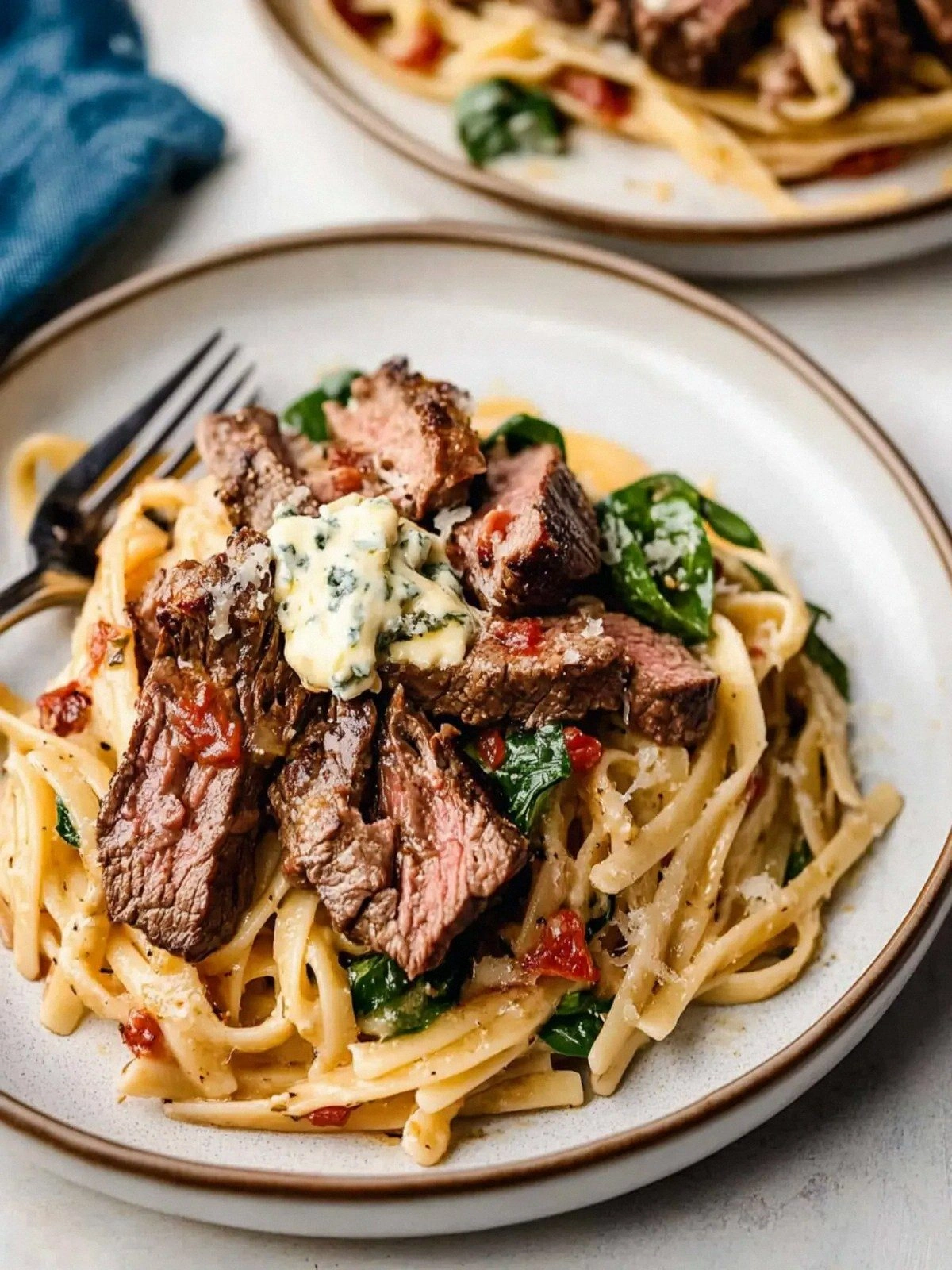
If you’ve ever been disappointed by a pasta dish that’s either too dry or too runny, you’ll feel a pang of recognition. I’ve tried countless recipes, and most of them fall into the same trap: they either overcook the pasta or under-season the sauce. This version is different because it layers flavor, texture, and a touch of luxury into a single plate. The gorgonzola adds a tangy depth that cuts through the richness of the cream, while the sundried tomatoes introduce a sweet, chewy bite that keeps you intrigued. The spinach adds a pop of color and a subtle earthiness that balances the heaviness. It’s a dish that feels indulgent without being over the top, and I’m convinced it’s hands down the best version you’ll ever make at home.
I’ll be honest—after the first plate, I ate half the batch before anyone else got to try it. The sauce was so smooth, it felt like a blanket draped over every strand of pasta. The steak was perfectly cooked, with a crust that shivered like thin ice when you bite into it. The combination of flavors was so harmonious that I found myself reaching for a second spoonful before the first could finish. I knew then that this recipe needed to be shared. If you’re ready to elevate your pasta game, stay with me. Picture yourself pulling this out of the pan, the whole kitchen smelling incredible, and the anticipation of the first bite building like a crescendo. Okay, ready for the game‑changer? Let’s dive in.
What Makes This Version Stand Out
- Taste: The sauce is a silky blend of heavy cream, parmesan, and gorgonzola that delivers a creamy, tangy, and slightly salty profile. The sundried tomatoes provide a burst of sweetness that counterbalances the richness, while the spinach adds a subtle, earthy undertone. Together, they create a symphony of flavors that dance on the palate.
- Texture: The fettuccine is al dente, offering a firm bite that holds up against the creamy sauce. The steak is seared to a perfect crust, leaving a juicy center that melts in your mouth. The gorgonzola crumbles melt into the sauce, creating pockets of velvety richness.
- Simplicity: Despite its luxurious taste, the dish requires only a handful of ingredients and a single pan. No complicated sauces or elaborate techniques—just sear, sauté, and combine.
- Uniqueness: The marriage of gorgonzola and sundried tomatoes is rarely seen in steak pasta recipes. This combination offers a unique flavor profile that sets the dish apart from the usual cream‑based pasta.
- Crowd Reaction: Friends and family rave about the creamy sauce and the perfectly cooked steak. Many have asked for a recipe card, and the dish is a hit at gatherings because it feels both indulgent and approachable.
- Ingredient Quality: Using a high‑quality steak and fresh spinach elevates the dish. The gorgonzola’s buttery tang is unmistakable, and the heavy cream adds a luxurious mouthfeel.
- Cooking Method: The single‑pan technique saves time and reduces cleanup, making it ideal for busy weeknights or a relaxed weekend meal.
- Make‑Ahead Potential: The sauce can be prepared a few hours ahead, and the pasta can be reheated with a splash of water to restore its al dente texture.
Alright, let's break down exactly what goes into this masterpiece. This is where the real magic happens, and I’ll keep you on the edge of your seat.
Inside the Ingredient List
The Flavor Base
The heavy cream and parmesan cheese are the heart of this sauce. Heavy cream provides a silky mouthfeel and a subtle sweetness that balances the richness of the gorgonzola. Parmesan adds a nutty, umami kick that deepens the sauce’s flavor profile. If you skip the cream, the sauce becomes thin and loses its luxurious texture.
The gorgonzola crumbles bring a tangy, slightly sharp flavor that cuts through the cream’s richness. It’s essential to crumble the cheese rather than slice it, as this allows it to melt more evenly. A substitution could be blue cheese or a sharp cheddar, but the distinctive taste of gorgonzola is hard to replace.
Sundried tomatoes add a sweet, chewy bite that contrasts beautifully with the creamy sauce. Their sun‑dried flavor is concentrated, so a small amount goes a long way. If you can’t find sundried tomatoes, roasted red peppers or cherry tomatoes can be used, but the flavor profile will shift slightly.
The Texture Crew
The fettuccine noodles provide the base structure of the dish. Choosing a high‑protein wheat variety helps the pasta hold its shape and gives it a pleasant bite. If you prefer a gluten‑free option, try using a gluten‑free pasta, but keep an eye on cooking times.
The torn spinach adds a fresh, slightly bitter note that balances the richness of the sauce. Spinach wilts quickly, so adding it at the end of cooking preserves its bright green color and nutritional value. A quick swap could be kale or arugula for a peppery twist.
The steak is the star of the show, providing a meaty, savory foundation. Sear the steak to develop a caramelized crust that locks in juices. If you’re short on time, a pre‑marinated steak can save minutes, but the sear is still crucial for flavor.
The Unexpected Star
Balsamic glaze is the finishing touch that adds a glossy sheen and a sweet, acidic counterpoint to the sauce. Drizzle it over the finished dish to create a striking visual and a burst of flavor. If you’re vegan, you can replace it with a simple balsamic reduction or a splash of aged balsamic vinegar.
The cracked pepper adds a subtle heat that awakens the palate. It’s best added at the end of cooking to preserve its aroma. A pinch of cayenne could be a daring alternative for those who like a bit more spice.
The Final Flourish
Kosher salt and pepper are essential for seasoning the steak and sauce. Salt enhances the flavors, while pepper brings depth and warmth. Don’t shy away from seasoning the pasta water; it’s the first layer of flavor.
Olive oil is the medium that brings everything together. It helps the steak sear properly and prevents the sauce from sticking to the pan. A high‑smoke point oil like avocado or grapeseed can also be used if you prefer a neutral flavor.
Everything's prepped? Good. Let's get into the real action.
The Method — Step by Step
- Prep the Steak: Pat the steak dry with paper towels. Season both sides generously with kosher salt and cracked pepper. Let it rest at room temperature for 15 minutes; this ensures even cooking. The steak should smell slightly meaty and the surface should look glossy after seasoning.
- Cook the Pasta: Bring a large pot of salted water to a rolling boil. Add the fettuccine and cook for 8–9 minutes, or until al dente. Reserve 1 cup of pasta water before draining. The pasta should be firm to the bite, not mushy. Keep the pot on the stove; this allows the water to stay hot for the next step.
- Sear the Steak: Heat a cast‑iron skillet over medium‑high heat. Add 1 tablespoon of olive oil and let it shimmer. Place the steak in the pan and sear for 3–4 minutes on each side for medium‑rare, depending on thickness. The steak should develop a golden crust and emit a savory aroma. Remove the steak and let it rest on a cutting board.
- Make the Sauce: In the same skillet, reduce heat to medium. Add the heavy cream, stirring constantly. Bring to a gentle simmer; the cream should thicken slightly. Stir in the shredded parmesan until melted and smooth. The sauce should coat the back of a spoon, not be too thick.
- Add Gorgonzola: Sprinkle the gorgonzola crumbles over the sauce. Let them melt for 1–2 minutes, then stir until the sauce is creamy and cohesive. The cheese should be fully incorporated, giving the sauce a deep blue hue and a tangy depth.
- Incorporate the Veggies: Add the torn spinach and sundried tomatoes to the sauce. Sauté for 2 minutes, just until the spinach wilts and the tomatoes soften. The spinach should retain a bright green color, and the tomatoes should release a sweet fragrance.
- Combine Pasta and Steak: Slice the rested steak into thin strips. Return the steak to the skillet, then add the drained fettuccine. Toss everything together, adding reserved pasta water as needed to achieve a silky, coat‑on‑every‑strand sauce. The pasta should look glossy, with the sauce clinging to each noodle.
- Finish with Balsamic: Drizzle 1/4 cup of balsamic glaze over the dish. Toss gently to distribute the glaze evenly. The glaze should add a glossy sheen and a sweet‑acid balance, brightening the overall flavor.
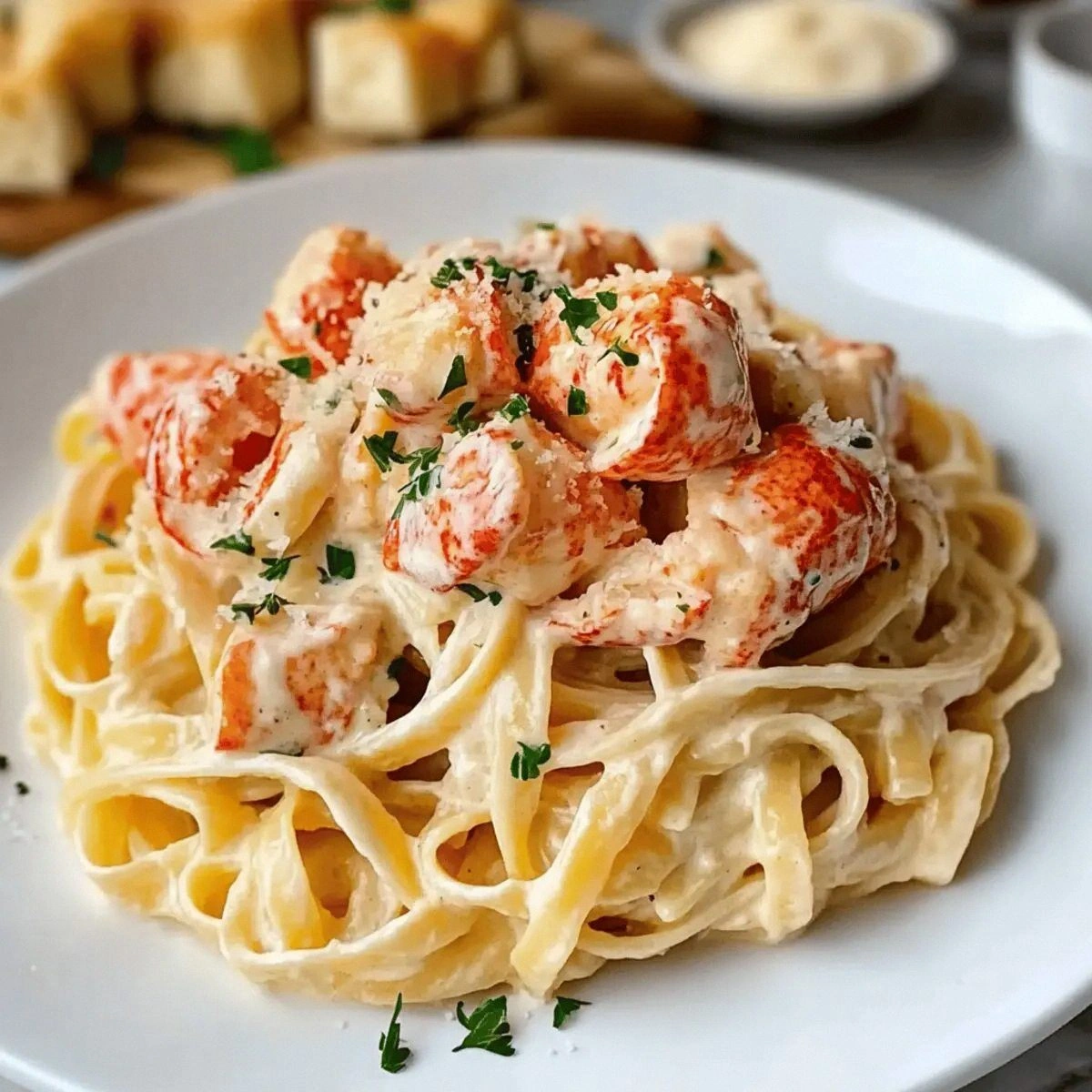
- Serve Immediately: Plate the pasta on warmed bowls, ensuring each portion has a generous amount of steak and sauce. Garnish with a final crack of pepper and a sprinkle of extra parmesan if desired. The dish should look decadent, with a glossy sheen and a hint of green from the spinach.
- Enjoy the Moment: Take a bite, close your eyes, and let the flavors unfold. The creamy sauce, tender steak, and bright veggies should harmonize into a single, unforgettable experience. This is the moment you’ll remember and want to recreate again.
That’s it— you did it. But hold on, I've got a few more tricks that'll take this to another level. These insider tips will elevate the dish from great to unforgettable.
Insider Tricks for Flawless Results
The Temperature Rule Nobody Follows
Many cooks heat the skillet too high, causing the sauce to scorch or the steak to brown unevenly. Keep the heat medium to medium‑high for the steak, then lower to medium for the sauce. This balance prevents the cream from curdling and ensures the steak stays juicy. I once tried a high heat and ended up with a burnt crust that tasted like charcoal.
Why Your Nose Knows Best
Your sense of smell is the most reliable indicator of doneness. When the steak releases a sweet, meaty aroma, it’s ready to be removed. The sauce should emit a fragrant, buttery scent. If you’re still unsure, a quick taste test on a small piece can confirm the texture.
The 5‑Minute Rest That Changes Everything
Resting the steak for 5 minutes after cooking allows the juices to redistribute, ensuring every bite is moist. Skipping this step can result in a dry steak that’s hard to chew. I once rushed the rest period and ended up with a steak that tasted like a dry biscuit.
The Secret of the Balsamic Glaze
Balsamic glaze should be added at the very end to preserve its sweetness and acidity. Adding it earlier can cause it to evaporate and lose flavor. If you don’t have glaze, simmer balsamic vinegar until it reduces to a syrupy consistency.
The Right Pasta Water Ratio
Use at least 1 cup of reserved pasta water for each pound of pasta. The starchy water helps the sauce cling to the noodles, creating a silky coating. Too little water can make the sauce cling and become clumpy.
The Final Touch of Pepper
Cracked pepper added at the end gives a fresh, sharp finish. It brightens the dish and adds a subtle heat that contrasts the creamy sauce. A pinch of cayenne could be a daring alternative for those who like a bit more spice.
Creative Twists and Variations
This recipe is a playground. Here are some of my favorite ways to switch things up:
Mushroom Medley Madness
Swap the sundried tomatoes for a mix of sautéed mushrooms, like cremini and shiitake. The earthy depth of mushrooms complements the creamy sauce and adds a meaty texture. This version is perfect for a cozy fall dinner.
Pesto Power Surge
Replace the spinach with fresh basil and swirl in a spoonful of pesto. The herbal brightness lifts the richness, creating a vibrant, green sauce. This twist is ideal for spring or summer gatherings.
Spicy Chipotle Kick
Add a tablespoon of chipotle adobo sauce to the cream for a smoky, spicy undertone. The heat pairs beautifully with the gorgonzola, giving the dish a bold, adventurous flavor. Great for those who love a bit of heat.
Lemon Zest Zing
Grate fresh lemon zest into the sauce before adding the steak. The citrus brightens the dish and cuts through the creaminess. A squeeze of lemon juice at the end gives a bright, refreshing finish.
Cheese Swap Spectacular
Replace gorgonzola with blue cheese or a sharp cheddar for a different tang. Each cheese brings its own character: blue cheese adds a pungent depth, while cheddar offers a smooth, melty texture. This variation is perfect for cheese lovers.
Vegetarian Version
Omit the steak entirely and add grilled tofu or seared tempeh. The protein will still deliver a satisfying bite, and the sauce remains creamy and indulgent. This version is great for a hearty plant‑based meal.
Storing and Bringing It Back to Life
Fridge Storage
Store leftovers in an airtight container for up to 3 days. Keep the sauce and pasta separate if possible, as the pasta can become soggy over time. When reheating, add a splash of water or milk to restore moisture.
Freezer Friendly
You can freeze the pasta and sauce separately for up to 2 months. Thaw overnight in the refrigerator, then reheat gently on the stove, adding a little water to loosen the sauce. The steak will stay tender if reheated carefully.
Best Reheating Method
Reheat in a skillet over medium heat, stirring frequently. Add a tiny splash of water or broth to prevent the sauce from drying out. Once heated through, taste and adjust seasoning if needed. The dish should smell fresh and creamy, just like when it was first made.