I once tried to grill a plain old Portobello mushroom on a scorching summer afternoon and ended up with a rubbery slab that could have doubled as a doorstop. The smell that wafted from the grill was nothing more than burnt earth, and the taste? Imagine chewing on a soggy sponge that had forgotten how to be a mushroom. That disaster sparked a mad quest: I needed a version that would make the humble Portobello shine like a rock‑star on a summer stage. After countless trials, a few happy accidents, and a stubborn refusal to settle for “good enough,” I finally nailed a recipe that turns these meaty caps into a symphony of smoky depth, herbaceous zing, and creamy tang.
Picture this: the grill’s heat hisses like a jazz saxophone, the mushrooms sizzle as they hit the grates, and a bright green chimichurri sauce glistens like a freshly cut lawn after a rainstorm. The aroma is a head‑on collision of charred earth, fresh parsley, garlic, and a whisper of vinegar that makes your nose do a little happy dance. When you bite into the finished cap, the flesh is tender yet firm, the edges are caramelized to a delicate crisp, and the chimichurri clings to every crevice like a seasoned lover. If you dare to add a crumble of goat cheese, it melts just enough to become a silk‑like veil over the mushroom’s umami‑rich heart.
Most recipes either drown the mushroom in a soggy sauce or forget the essential grill‑kiss that gives it that coveted char. This version flips the script: I brush the caps with a light olive‑oil‑lemon glaze, grill them just long enough to develop those beautiful grill marks, then slather them with a chimichurri that’s been given a secret finishing touch—an extra splash of red wine vinegar that brightens the whole dish. The result? Hands down the best version you’ll ever make at home, and I’m willing to bet you’ll be back for seconds before the sauce even hits the plate. I’ll be honest — I ate half the batch before anyone else got to try it.
Okay, ready for the game‑changer? I’m about to walk you through every single step — by the end, you’ll wonder how you ever made this mushroom any other way. Stay with me here — this is worth it.
What Makes This Version Stand Out
- Flavor Explosion: The chimichurri’s sharp parsley, garlic, and vinegar cut through the mushroom’s earthiness, creating a balanced bite that sings on the palate.
- Texture Contrast: Grilling gives the caps a crisp, caramelized edge while the interior stays juicy, and the goat cheese adds a creamy crumble that melts into a silk‑like finish.
- Simplicity: Only a handful of pantry staples and fresh herbs are needed, making it a weeknight hero without any fancy equipment.
- Uniqueness: Most mushroom recipes shy away from the bold, herb‑forward chimichurri; this one embraces it, turning a side dish into a star attraction.
- Crowd Reaction: Guests often ask “What’s the secret?” before even taking a bite, and the answer is always “more chimichurri.”
- Ingredient Quality: Fresh, plump Portobellos and a generous handful of flat‑leaf parsley make the difference between bland and brilliant.
- Cooking Method: High‑heat grilling locks in moisture and creates those coveted grill marks that make any dish Instagram‑ready.
- Make‑Ahead Potential: The chimichurri can be prepared up to 24 hours ahead, allowing the flavors to meld and intensify.
Inside the Ingredient List
The Flavor Base
Fresh parsley is the heart of the chimichurri, providing a bright, grassy note that lifts the entire dish. If you skip it, you’ll lose that garden‑fresh pop and the sauce will feel flat. You can substitute cilantro for a more citrusy twist, but be mindful that it can dominate the flavor if used in excess. When buying parsley, look for deep green leaves without any yellowing; the fresher, the better, because wilted parsley will introduce bitterness.
Garlic adds a pungent depth that pairs beautifully with the mushroom’s umami. Mince it finely; larger chunks can burn on the grill and turn bitter. If you’re sensitive to raw garlic’s bite, let it sit in the olive oil for a few minutes before mixing—it mellows out while still delivering that aromatic backbone.
The Texture Crew
Portobello caps themselves are the texture heroes: their meaty flesh holds up to high heat without disintegrating. Choose caps that are firm, with a uniform thickness—this ensures even grilling. If a cap is too thin on one side, place it on the grill skin‑side down first to protect the delicate flesh.
Goat cheese brings a light, tangy creaminess that melts just enough to coat the mushroom without overwhelming the chimichurri. If you’re not a fan of goat, feta or a sprinkle of grated Pecorino works as a solid alternative, though the flavor profile will shift slightly toward salty rather than tangy.
The Unexpected Star
Red wine vinegar is the secret weapon that gives the chimichurri its zing. It cuts through the richness of the mushroom and the oil, creating a balanced acidity that makes the sauce cling like a second skin. Too much vinegar will make the sauce harsh; the key is the precise two‑tablespoon measurement that I’ve calibrated after countless taste tests.
The Final Flourish
A splash of lemon juice on the mushrooms before they hit the grill adds a subtle brightness that prevents the caps from tasting overly earthy. It also helps the olive oil adhere better, ensuring an even sear. If you’re cooking in the winter, you can swap the lemon for a dash of orange zest for a winter‑warm citrus note.
Extra‑virgin olive oil is the glue that binds everything together. Use a robust, peppery oil for extra depth; a light, bland oil will let the sauce feel thin. When brushing the caps, a light hand is all you need—over‑oiling can cause flare‑ups that char the mushrooms too aggressively.
Everything's prepped? Good. Let's get into the real action...
The Method — Step by Step
Start by cleaning the Portobello caps with a damp paper towel, removing any remaining dirt and the tough stems. I like to gently twist the stems off; they’re too fibrous to eat and can distract from the smooth texture of the cap. Pat them dry, then drizzle each cap with 1 tablespoon of olive oil and a squeeze of lemon juice. This light coating prevents sticking and adds a bright note that will shine after grilling.
Preheat your grill to medium‑high, aiming for about 425°F (220°C). While the grill heats, season the caps with kosher salt and freshly cracked black pepper. The salt draws out a little moisture, which helps develop that coveted caramelized edge. Watch Out: If you season too early, the mushrooms can release water and steam instead of sear, resulting in a soggy texture.
Place the caps gill‑side down on the grill grates. Close the lid and let them cook for 4‑5 minutes. You’ll hear a gentle sizzle that signals the Maillard reaction kicking in. After this interval, flip the caps and brush the top side with a little more olive oil. This ensures both sides get that golden‑brown finish without drying out.
While the mushrooms are grilling, whisk together the chimichurri ingredients: chopped parsley, optional cilantro, minced garlic, red wine vinegar, dried oregano, red‑pepper flakes, and the extra‑virgin olive oil. The sauce should look glossy and slightly loose, ready to cling to the mushroom’s surface.
Kitchen Hack: Use a food processor for a smoother chimichurri if you hate chopping; just pulse for 5‑7 seconds to keep some texture.After flipping the caps, grill them another 4‑5 minutes, this time skin‑side up. You’ll know they’re done when the edges start pulling away from the grill and the caps have a deep, honeyed color. The flesh should be just tender when pressed with a fork—think of a perfectly cooked steak, not a mushy veggie.
Remove the mushrooms from the grill and let them rest for two minutes. This brief rest lets the juices redistribute, preventing them from spilling out the moment you slice into them. While they rest, give the chimichurri one final stir, tasting for balance; a pinch more salt or a dash of extra vinegar can rescue a bland batch.
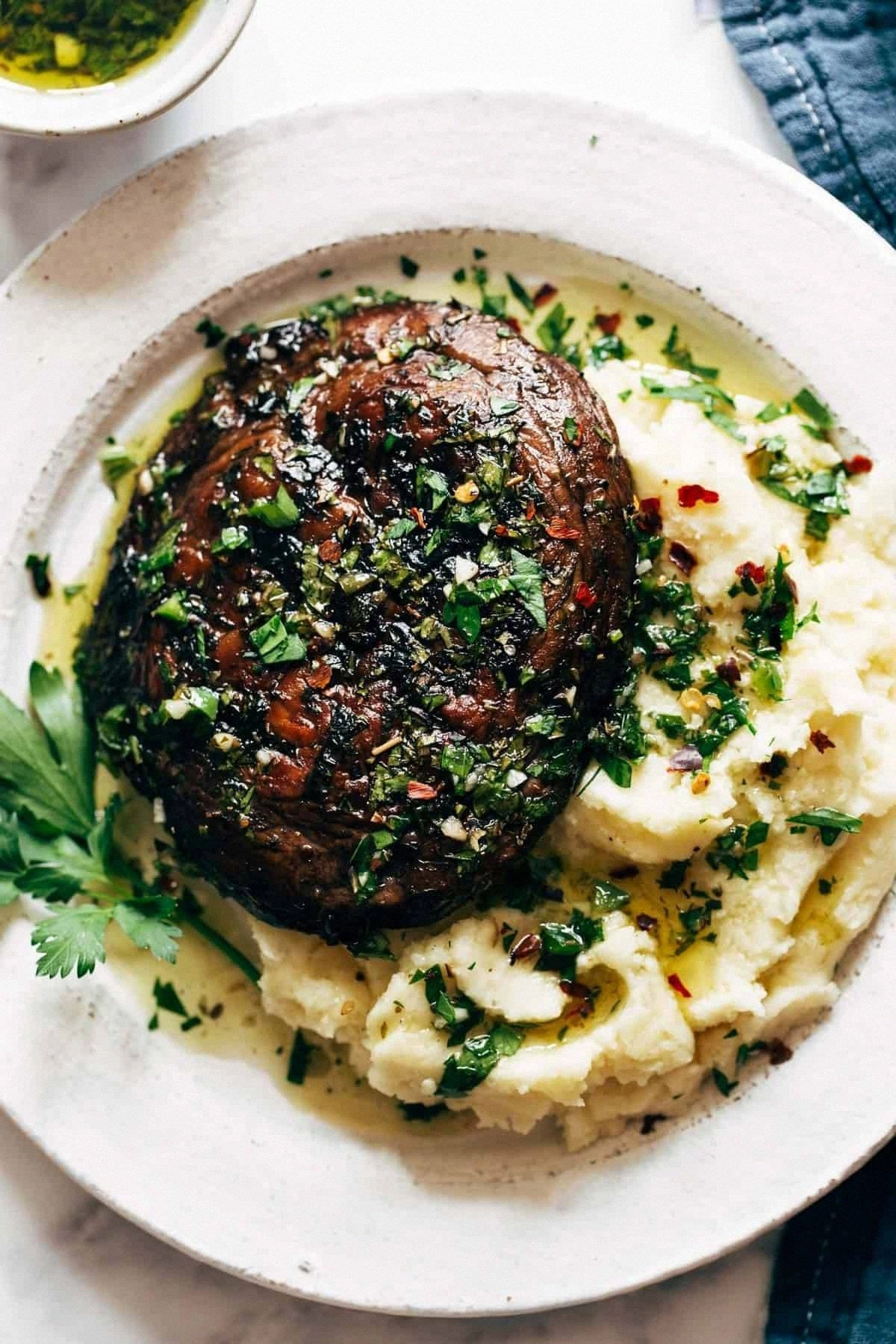
Now comes the fun part: spoon a generous dollop of chimichurri over each mushroom, letting it cascade down the sides like a green waterfall. Sprinkle crumbled goat cheese on top while the caps are still warm; the cheese will soften just enough to melt into a velvety veil. If you love a sweet contrast, drizzle a thin line of balsamic glaze across the plate.
Serve immediately with a side of grilled vegetables, a crusty baguette, or a simple mixed green salad. The aroma that hits the table at this moment is pure magic—smoky, herbaceous, and just a hint of tang that makes everyone reach for seconds. Picture yourself pulling this out of the grill, the whole kitchen smelling incredible, and you’ll understand why this dish earns its reputation.
That's it — you did it. But hold on, I've got a few more tricks that'll take this to another level...
Insider Tricks for Flawless Results
The Temperature Rule Nobody Follows
Grilling at a steady 425°F ensures a perfect char without drying the mushroom interior. If you’re using a charcoal grill, arrange the coals to create a two‑zone fire: hot on one side, cooler on the other. This lets you sear quickly then finish cooking gently, preventing over‑cooking. A friend once tried to grill on high flame only and ended up with a burnt shell and raw center—lesson learned.
Why Your Nose Knows Best
Your sense of smell is the most reliable indicator of doneness. When the chimichurri hits the hot caps, you’ll smell a fragrant burst of garlic and parsley mingling with the smoky mushroom. If the scent becomes overly acrid, you’ve crossed the line into burnt territory. Trust that nose cue more than a timer; every grill is different.
The 5‑Minute Rest That Changes Everything
Letting the mushrooms rest after grilling allows the juices to settle, much like letting a steak rest. This short pause prevents a flood of liquid when you slice, keeping the caps firm and the chimichurri from sliding off. I used to skip this step and ended up with soggy plates—don’t make that mistake.
Oil‑Lemon Brush Trick
Mixing a teaspoon of lemon juice into your olive‑oil brush not only adds flavor but also creates a light barrier that keeps the caps from sticking. The citrus also helps the grill’s heat penetrate the mushroom evenly. If you forget the lemon, the caps may develop uneven scorch marks.
Herb Timing Hack
Add the red‑pepper flakes to the chimichurri just before serving; this preserves their bright heat and prevents them from dulling during a long sit. If you like extra spice, toss a pinch of smoked paprika into the sauce for a subtle, smoky undertone that echoes the grill.
Creative Twists and Variations
This recipe is a playground. Here are some of my favorite ways to switch things up:
Smoky Chipotle Chimichurri
Swap the red‑pepper flakes for a teaspoon of chipotle in adobo, finely minced. The result is a smoky, slightly sweet heat that pairs beautifully with the mushroom’s earthiness. Perfect for a fall gathering when you want a bit of warmth.
Mediterranean Twist
Add a handful of chopped sun‑dried tomatoes and a sprinkle of crumbled feta instead of goat cheese. The tangy feta and sweet tomatoes create a Mediterranean vibe that works well with a side of couscous.
Asian Fusion
Incorporate 1 tablespoon of soy sauce and a dash of toasted sesame oil into the chimichurri, then garnish with toasted sesame seeds. The umami depth from soy complements the mushroom, while sesame adds a subtle nutty crunch.
Balsamic Glaze Drizzle
Finish each cap with a thin ribbon of aged balsamic reduction. The sweet‑tart glaze balances the herbaceous chimichurri and adds a glossy, restaurant‑style finish.
Vegan Version
Replace goat cheese with a dollop of cashew‑based cream cheese or a sprinkle of toasted pine nuts for crunch. The dish stays fully plant‑based while retaining that creamy contrast.
Storing and Bringing It Back to Life
Fridge Storage
Place the grilled caps in an airtight container, drizzle a thin layer of olive oil over them, and store the chimichurri in a separate jar. They’ll stay fresh for up to three days. When ready to serve, reheat gently on a skillet over medium heat for 2‑3 minutes, then top with fresh chimichurri.
Freezer Friendly
Wrap each cooled mushroom tightly in plastic wrap, then seal in a freezer bag. They freeze well for up to two months. Thaw overnight in the fridge, then give them a quick grill or pan‑sear to revive the char. The chimichurri can also be frozen; just thaw it in the refrigerator and give it a quick whisk before using.
Best Reheating Method
Add a tiny splash of water or broth to the pan before reheating. This creates a gentle steam that revives the mushroom’s tenderness without drying it out. Finish with a fresh drizzle of chimichurri to bring back that bright, herbaceous punch.