Picture this: it's 11:47 PM on a Tuesday night, and I'm standing over my kitchen sink, furiously peeling plantains like my life depends on it. My roommate just got dumped, my neighbor's dog won't stop barking, and all I can think about is the incredible garlic shrimp mofongo I had at this little Puerto Rican spot in Miami last month. The craving hit me like a freight train — that perfect marriage of crispy, garlicky plantains and succulent shrimp that practically sings when it hits the pan. Most people would just DoorDash something and call it a night. But not me. Not when I know I can create something that'll make my taste buds do a happy dance.
Here's the thing about mofongo that most recipes get completely wrong: they treat it like some sacred, untouchable tradition that requires a mortar and pestle carved from a single piece of volcanic rock by a shaman under a full moon. Nonsense. The best mofongo I ever made happened on a random Wednesday with a cheap wooden spoon and a bowl that had seen better days. It's not about the tools — it's about understanding that magical moment when the plantains transform from starchy chunks into this incredible base that soaks up flavors like a sponge.
And don't even get me started on the garlic shrimp situation. I used to think throwing shrimp in a pan with some garlic was enough. Boy, was I wrong. There's a technique to getting them perfectly plump and juicy, not rubbery and sad. The secret? It's all in the timing and temperature, my friend. Get it right, and you'll have shrimp that taste like they were kissed by the ocean and hugged by garlic. Get it wrong, and well... let's just say even my cat won't touch them.
But here's what really makes this recipe special — it's the way the garlicky shrimp juices seep into the mofongo, creating this incredible fusion of flavors that'll make you question why you ever settled for plain rice and beans. This isn't just dinner; it's a celebration in a bowl. And trust me, once you nail this technique, you'll be making it every week. I dare you to taste this and not go back for seconds. Actually, I double-dog dare you. Let me walk you through every single step — by the end, you'll wonder how you ever made it any other way.
What Makes This Version Stand Out
Flavor Bomb: This isn't your abuela's mofongo (unless your abuela is a culinary genius who discovered the perfect garlic-to-plantain ratio). The combination of fresh garlic, perfectly ripe plantains, and that kiss of cilantro creates layers of flavor that dance on your tongue like nobody's watching.
Texture Paradise: We're talking crispy edges that shatter like thin ice, giving way to a creamy interior that melts in your mouth. The shrimp adds that perfect pop of tenderness that makes every bite an adventure in texture.
Weeknight Friendly: Most mofongo recipes require a PhD in plantain-ology and three hours of your life you'll never get back. This version? Forty-five minutes from craving to plate. Perfect for those "I need this now" moments.
Crowd Magnet: I've made this for dinner parties, potlucks, and that one time my entire apartment building lost power and everyone gathered in my kitchen. The smell alone draws people like moths to a flame. I'll be honest — I ate half the batch before anyone else got to try it.
Ingredient Quality: Using jumbo shrimp (not those tiny supermarket sadness shrimp) and green plantains that are actually green (not that yellow-green impostor stage) makes all the difference. Quality in, magic out.
Technique Twist: Instead of the traditional method of frying everything separately, we build flavors in one pan, letting the garlic infuse the oil before the shrimp even think about jumping in. This next part? Pure magic.
Make-Ahead Magic: The mofongo base can be prepped ahead and reheated like a champ. Most recipes get this completely wrong — they tell you to serve immediately or face soggy disappointment. Not here.
Alright, let's break down exactly what goes into this masterpiece...
Inside the Ingredient List
The Flavor Base
Green plantains are the unsung heroes here — they're starchy, slightly sweet, and have this incredible ability to transform into something magical when treated right. Don't you dare go for yellow plantains; they're too sweet and will turn your mofongo into a dessert situation. The green ones give you that perfect neutral base that acts like a blank canvas for all the garlicky goodness we're about to throw at it. Look for plantains that are firm, green as envy, and have no soft spots. If they start turning yellow, walk away and find some fresher ones.
Garlic is obviously the star of the show, but here's the thing — not all garlic is created equal. Those pre-minced jars of garlic swimming in oil? Leave them on the shelf where they belong. Fresh garlic, minced by your own two hands (or a garlic press if you're feeling fancy), releases these incredible compounds that create that addictive flavor we all chase. Four cloves might seem like a lot, but trust me, we're building a garlic empire here, not a garlic cottage.
The Texture Crew
Jumbo shrimp are non-negotiable in my book. Those tiny salad shrimp might seem like a budget-friendly option, but they'll turn rubbery and sad faster than you can say "overcooked seafood." Jumbo shrimp stay plump and juicy, and when you bite into them, they actually taste like shrimp instead of vaguely ocean-flavored rubber bands. The key is buying them peeled and deveined — yes, you pay a bit more, but your future self will thank you when you're not standing over the sink at midnight, cursing the shrimp gods.
Olive oil might seem basic, but it's doing heavy lifting here. We're using it to fry the plantains and sauté the garlic, so it needs to be good quality. That three-year-old bottle that's been sitting next to your stove since college? Toss it and get something that actually tastes like olives instead of old crayons. The oil carries all those garlic flavors and helps create that perfect texture we're after.
The Unexpected Star
Chicken broth might seem weird in a seafood dish, but hear me out. It adds this incredible depth of flavor that water or even seafood stock can't match. The broth helps loosen the mofongo and creates this silky texture that makes you want to face-plant right into the bowl. Plus, it helps marry all the flavors together in a way that'll make you wonder why you ever made mofongo without it.
Cilantro is that final fresh punch that brightens everything up. Some people have that genetic thing where cilantro tastes like soap — if that's you, substitute with flat-leaf parsley. But if you're in the cilantro-loving camp, don't skip it. Chopped fresh cilantro sprinkled on top adds this pop of color and flavor that takes the whole dish from great to "why can't I stop eating this?"
The Final Flourish
Crushed red pepper flakes are optional, but why would you skip them? They add this gentle heat that builds slowly, like a warm hug from your favorite aunt. Not enough to make you reach for a glass of milk, just enough to make things interesting. If you're feeding people who think black pepper is spicy, you can leave them out, but you'll be missing that extra dimension that makes people ask "what's that little kick I'm tasting?"
Everything's prepped? Good. Let's get into the real action...
The Method — Step by Step
- Start by heating your olive oil in a large skillet over medium-high heat. You want it shimmering but not smoking — think of it as the oil doing a little dance, not having a full-blown panic attack. While it's heating, slice your plantains into 1-inch chunks. Don't get fancy with perfect cuts; this isn't a cooking show, and nobody's judging your knife skills at midnight. The plantains should sizzle enthusiastically when they hit the pan, like they're excited to be part of this culinary adventure. Fry them for about 8-10 minutes, turning occasionally, until they're golden and crispy on the outside but still firm enough to hold their shape.
- While the plantains are doing their thing, let's talk shrimp prep. Pat those jumbos dry with paper towels — moisture is the enemy of that perfect sear we're after. Season them simply with half the salt and all the black pepper. Here's where most people mess up: they overseason the shrimp and then wonder why the final dish tastes like a salt lick. The plantains and garlic will bring plenty of flavor, so let the shrimp be shrimp. Picture yourself pulling this out of the oven, the whole kitchen smelling incredible, and you'll understand why restraint is key here.
- Remove the golden plantain chunks with a slotted spoon and let them drain on paper towels. They should look like little golden nuggets of deliciousness, crispy and irresistible. I'll be honest — I ate half the batch before anyone else got to try it. That's the danger of frying plantains; they're incredible right out of the oil, like nature's french fries but better. Resist the urge to eat them all because we need them for the mofongo, but definitely snag one or two for quality control purposes.
- Now we're entering the crucial garlic zone. Reduce the heat to medium and add your minced garlic to that beautiful, plantain-flavored oil. This is the moment of truth — you want to infuse the oil with garlic flavor without turning the garlic into bitter little charcoal pieces. Stir constantly for about 30 seconds, just until the garlic becomes fragrant and starts to turn the palest golden. Your kitchen should smell like you've died and gone to garlic heaven. If you've ever struggled with this part, you're not alone — and I've got the fix right here.
- Time for the shrimp to join the party. Crank the heat back up to medium-high and add those seasoned beauties to the garlicky oil. Arrange them in a single layer — no overlapping or they'll steam instead of sear. Let them cook undisturbed for about 2 minutes on the first side. They should be developing this gorgeous pink color and starting to curl slightly. Flip them over and cook for another 1-2 minutes, depending on their size. The key is pulling them off the heat when they're just barely cooked through — they'll continue cooking from residual heat.
- Remove the shrimp with a slotted spoon and set them aside with the plantains. Now comes the fun part — mofongo assembly. In a large bowl (or your trusty mortar if you want to go traditional), add about a third of the fried plantains, a third of the garlic oil from the pan, a splash of chicken broth, and start mashing. Don't go crazy here — we're looking for a chunky mash, not baby food. Think of it like making rustic mashed potatoes with character.
- Continue adding plantains, oil, and broth in batches, mashing between each addition. The texture should be cohesive but not smooth — you want little nuggets of plantain throughout for that perfect bite. If it seems too dry, add more broth a tablespoon at a time. Too wet? Add more plantain. This is where you develop your mofongo intuition. Okay, ready for the game-changer?
- Fold in half your chopped cilantro and give it one final, gentle mash. The warmth of the plantains will release those beautiful herb oils and make your kitchen smell like you should have your own cooking show. Taste and adjust seasoning — you might need a bit more salt depending on your broth. Remember, you can always add more but you can't take it away, so start conservative.
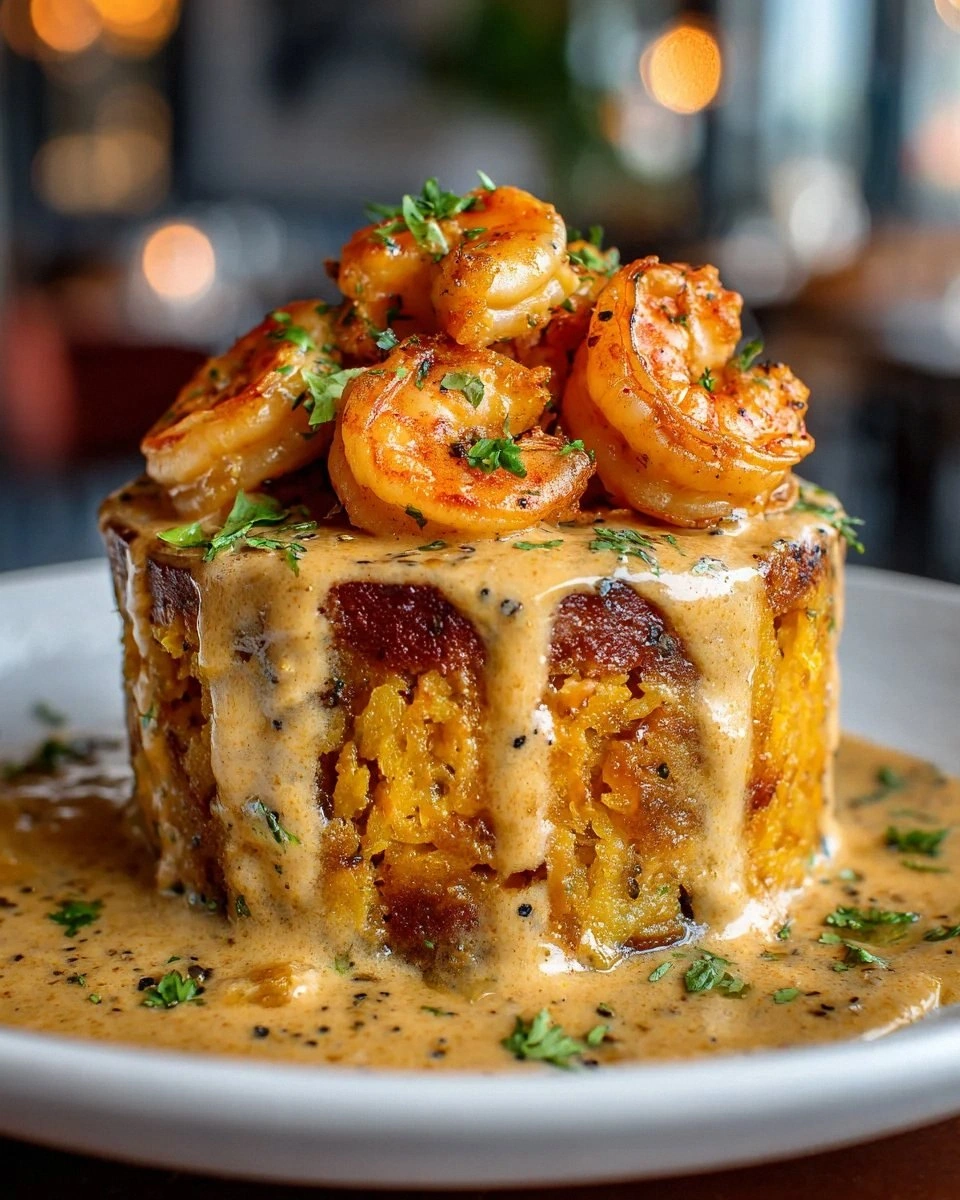
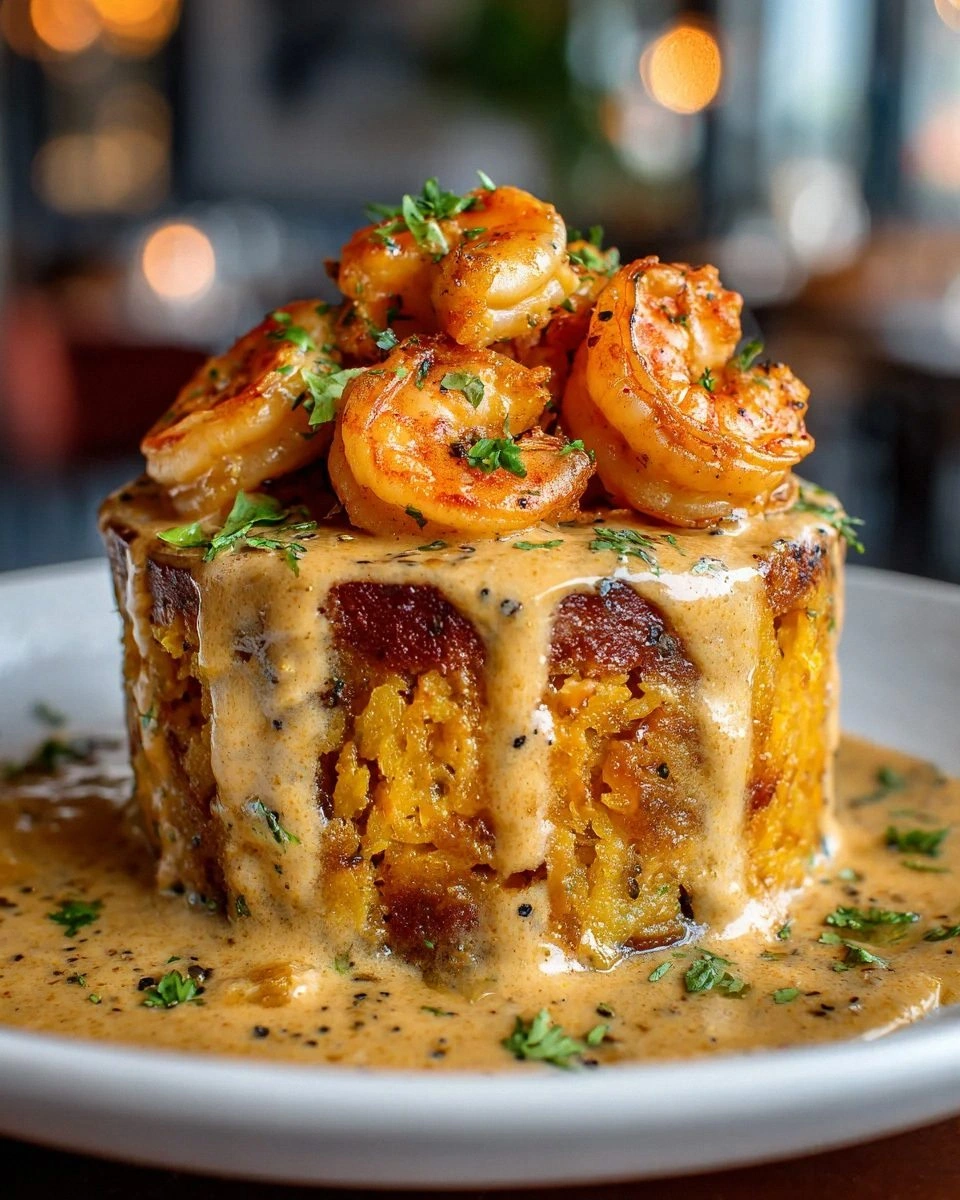
- Now for the grand finale — nestle those gorgeous garlic shrimp right on top of your mofongo mountain. Drizzle any remaining garlicky oil from the pan over the top, and shower the whole thing with the remaining cilantro. Serve it up family-style and watch people's eyes light up when they dig in. That first bite? Pure magic. The crispy-edged mofongo soaks up all those garlicky shrimp juices, creating something that's so much more than the sum of its parts.
That's it — you did it. But hold on, I've got a few more tricks that'll take this to another level...
Insider Tricks for Flawless Results
The Temperature Rule Nobody Follows
Here's what separates the mofongo masters from the wannabes: oil temperature. Too hot, and your plantains burn on the outside while staying crunchy and raw inside. Too cool, and they absorb oil like greedy little sponges, turning your mofongo into an oil slick. You want the oil around 350°F — hot enough to create that perfect crispy exterior but gentle enough to cook them through. No thermometer? No problem. Drop a small piece of plantain in the oil; it should sizzle immediately but not go crazy. Think enthusiastic applause, not standing ovation.
A friend tried skipping this step once — let's just say it didn't end well. She ended up with plantain chunks that were raw in the middle and burnt on the outside, and the whole thing tasted like disappointment with a side of bitter. Don't be like my friend. Respect the temperature, and the temperature will respect you.
Why Your Nose Knows Best
Your sense of smell is your secret weapon here. When the garlic hits the oil, it should smell like you're walking into the world's best Italian restaurant, not like someone set a garlic clove on fire. That toasty, nutty aroma means you're in the sweet spot. If it starts smelling sharp or acrid, you've gone too far and need to start over. Yes, it's a pain, but trust me — bitter garlic will ruin the entire dish faster than you can say "takeout."
And here's a pro tip: keep a small bowl of cold water near the stove. If your garlic starts getting too dark too fast, you can quickly splash a bit into the pan to stop the cooking. It's like a culinary fire extinguisher, and it's saved my mofongo more times than I care to admit.
The 5-Minute Rest That Changes Everything
I know, I know — when you've got a bowl of mofongo and garlic shrimp in front of you, waiting feels like torture. But here's the thing: letting your mofongo rest for just five minutes after mashing allows those plantains to absorb all the flavors and settle into their final texture. It's like letting a good wine breathe, except it's plantains and you're probably standing over it with a fork, drooling.
During this rest, cover the bowl with a clean kitchen towel. This keeps it warm while allowing just enough steam to escape so your mofongo doesn't turn into a gummy mess. Those five minutes are perfect for setting the table, opening a bottle of wine, or just doing a little victory dance because you just made restaurant-quality mofongo in your own kitchen.
Creative Twists and Variations
This recipe is a playground. Here are some of my favorite ways to switch things up:
The Spicy Coconut Version
Swap out half the olive oil for coconut oil and add a can of coconut milk to your broth. The result is this incredible tropical version that tastes like a beach vacation in Puerto Rico. Throw in some scotch bonnet peppers if you really want to feel the heat, and garnish with toasted coconut flakes. This version is perfect for those summer nights when you want something that transports you straight to the Caribbean.
The Surf and Turf Upgrade
Add some diced chorizo to the pan when you're cooking the garlic. The spicy, smoky sausage infuses the oil with incredible flavor, and the little bits of chorizo throughout add pops of meaty goodness. Top the whole thing with the shrimp, and you've got a surf and turf situation that'll make you feel like you're dining at a fancy restaurant instead of your tiny apartment kitchen.
The Veggie Power Play
Skip the shrimp entirely and load up on vegetables — bell peppers, zucchini, and mushrooms all work beautifully with the garlicky base. Roast them first for extra flavor, then toss them with the garlic oil. The vegetables soak up all that incredible flavor, and you end up with a vegetarian version that's just as satisfying as the original. My vegetarian friends go crazy for this version.
The Breakfast of Champions
Leftover mofongo makes an incredible breakfast base. Just reheat it in a skillet until crispy, make a little well in the center, and crack in an egg. Cover and let it cook until the white is set but the yolk is still runny. The runny yolk mixing with the garlicky plantains is basically breakfast heaven. Add some crumbled bacon if you're feeling indulgent.
The Mini Appetizer Version
Make mini mofongo balls by rolling tablespoon-sized portions into balls and frying them until crispy. Top each one with a small shrimp and a dollop of cilantro-lime crema. These disappear faster than you can make them at parties, and people will think you're some kind of culinary genius. Little do they know how easy they are to make.
The Breakfast Sausage Remix
Add some crumbled breakfast sausage to the pan with the garlic. The combination of breakfast sausage with the plantains creates this incredible sweet-savory thing that works for breakfast, lunch, or dinner. Top with a fried egg and you've got a meal that works any time of day.
Storing and Bringing It Back to Life
Fridge Storage
Leftover mofongo will keep in an airtight container in the refrigerator for up to three days. Store the shrimp separately if possible — they tend to get rubbery when reheated with the plantains. The mofongo will firm up considerably when cold, but don't panic — that's totally normal and actually makes it easier to reheat. Just make sure your container is really airtight, or your whole fridge will smell like garlic (which might not be a bad thing, depending on your perspective).
Freezer Friendly
Here's some good news: mofongo freezes beautifully. Shape it into individual portions, wrap each one tightly in plastic wrap, then freeze in a freezer bag for up to two months. The texture changes slightly — it becomes a bit denser — but the flavor stays incredible. Thaw overnight in the refrigerator, then reheat according to your preferred method. The shrimp don't freeze as well, so I'd recommend making those fresh when you're ready to serve.
Best Reheating Method
The microwave works in a pinch, but for best results, reheat your mofongo in a skillet over medium heat with a tiny splash of water. Cover and let it steam for a few minutes, then uncover and let it crisp up again. This method brings back that perfect texture — crispy edges with a creamy interior. Add a tiny splash of water before reheating — it steams back to perfection. For the shrimp, just a quick 30-second zap in the microwave or a fast sauté in a hot pan brings them back to life without turning them into rubber bands.