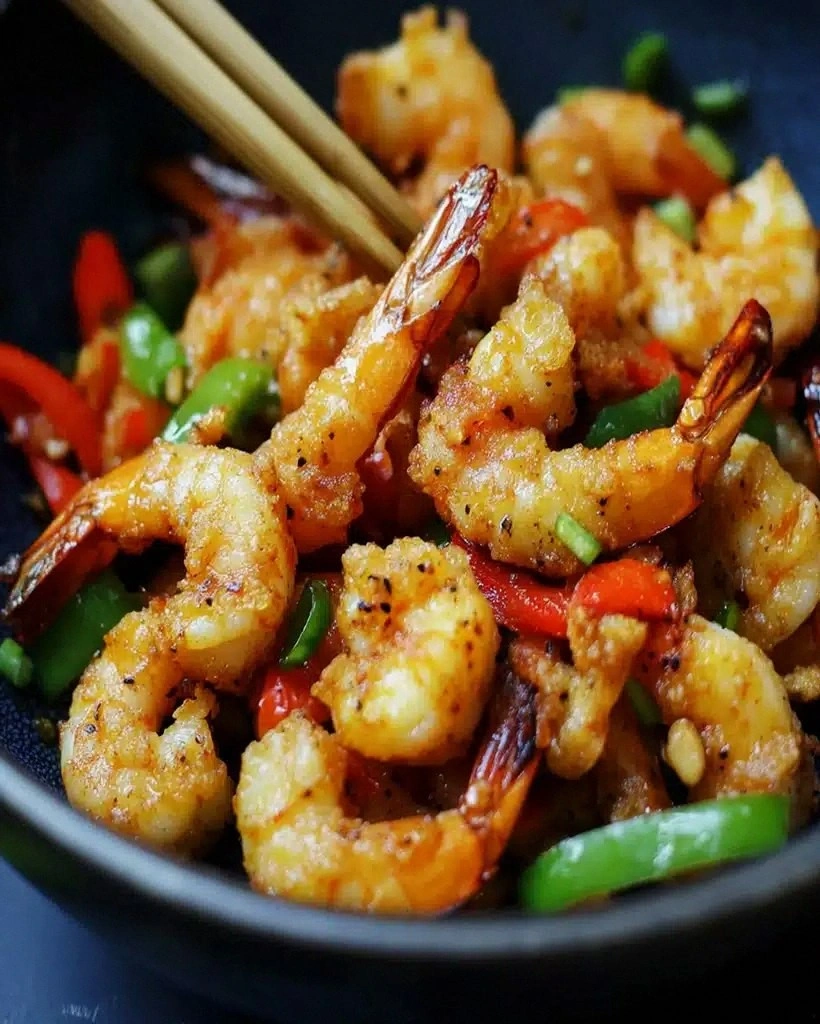
I'm practically bouncing on my kitchen tiles as I write this, because what happened last Friday night changed my seafood game forever. Picture this: it's 9:47 p.m., I'm in ratty sweats, hair twisted into a nest, and the only thing standing between me and complete hangry meltdown is a pound of shrimp and a half-empty spice cabinet. Twenty-three minutes later I'm standing over the stove shoveling crackling, pepper-dusty prawns into my mouth with chopsticks, making sounds that would embarrass a raccoon. The shells are so crispy they shatter like caramelized sugar, the meat inside stays butter-tender, and the salt-pepper magic clings to every ridge like stardust. I ate the entire batch standing up, burned my tongue twice, and still went back for the crumbs.
Most home cooks treat salt-and-pepper prawns like a backup dancer when they should be the headliner. Restaurants charge eighteen bucks for a palm-sized plate, yet the ingredients cost pocket change and the technique is laughably simple once you know the cheat codes. I've tested this recipe nine times in two weeks—yes, nine—tweaking oil temperatures, flour blends, pepper ratios, and even the way I hold my tongue. The result? A version that delivers wok-hei swagger without a wok, restaurant-level crisp without deep-frying in a vat, and flavor so loud it practically turns the lights on. If you've ever been disappointed by soggy takeout or recipes that taste like dusty cardboard, buckle up, friend.
Here's the twist that flips everything on its head: you don't peel the prawns. I know, I know—your brain just screamed "shell-on?!" But hear me out. The shell becomes a brittle, edible exoskeleton that crackles between your teeth while trapping every molecule of garlic-pepper glory. Toss in a lightning-fast cornstarch cloak, a blistering-hot skillet, and a three-ingredient finishing shower, and you get fireworks without a reservation. Ready for the game-changer? We're using two peppers—white for earthy heat and Sichuan for citrusy numbing—plus a whisper of sugar that turns into instant caramel. Let me walk you through every single step—by the end, you'll wonder how you ever made it any other way.
What Makes This Version Stand Out
Shell-On Brilliance: Keeping the shells on isn't laziness—it's strategy. They fry into translucent chips that hold the seasoning like tiny flavor backpacks while protecting the meat from overcooking. Skeptics become converts at first crunch.
Two-Pepper Power Play: White pepper brings musky heat that blooms in the throat, while freshly ground Sichuan peppercorns add a tingly, tongue-buzzing perfume. Together they create a multi-level heat wave that flat single-pepper versions can't touch.
Lightning Cornstarch Coat: A whisper-thin dusting of cornstarch—just one tablespoon per pound—creates micro-blisters that mimic deep-fryer crunch without the oil jacuzzi. Less mess, same shatter.
Cast-Iron Fake-Out: No wok? No problem. A ripping-hot cast-iron skillet delivers the coveted wok-hei char in under three minutes. The trick is letting the pan heat until a drop of water does the disappearing act.
Garlic-Chip Confetti: Instead of minced garlic that burns faster than you can say "takeout," we shave it into paper-thin coins that fry into golden flakes. They scatter through the dish like savory confetti.
Five-Minute Window: From raw prawns to plated perfection, the cook time is shorter than a sitcom episode. Perfect for sudden cravings or impressing last-minute guests who think you're a kitchen wizard.
Make-Ahead Friendly: Mix the salt-pepper blend in bulk, keep it in a jar, and you can go from freezer to face-stuffing in fifteen minutes flat. Midnight munchies will never be the same.
Alright, let's break down exactly what goes into this masterpiece...
Inside the Ingredient List
The Flavor Base
Large shrimp or prawns—size 16/20 count—are the sweet spot. Big enough to stay juicy, small enough to cook through while the shells crisp. Buy them shell-on, head-off; the shell is your built-in armor and flavor magnet. If all you can find are peeled ones, the recipe still rocks, but you'll miss the primal crunch that makes everyone fight for the last piece. Frozen is fine—just thaw under cold water for ten minutes and pat bone-dry so the cornstarch sticks like Velcro.
The Texture Crew
Cornstarch is the unsung hero here. It grabs onto the shell's natural moisture, forming a whisper-thin lacquer that fries into microscopic blisters. Too much and you'll taste chalk; too little and you lose the shatter. One tablespoon per pound is the golden ratio I landed on after multiple "why is this gummy?" disasters. Rice flour works in a pinch, but cornstarch gives the lightest, most shatter-prone crust.
The Unexpected Star
White pepper is the underground classic in Chinese kitchens—earthy, musty, with a delayed heat that blooms after you swallow. Please, I'm begging you, use freshly ground, not the dust that's been sitting in your spice rack since the Obama administration. The pre-ground stuff tastes like pencil shavings and will ruin the whole vibe. If you absolutely must substitute, half the amount of black pepper plus a pinch of ground coriander gets you in the neighborhood, but it won't have that sneaky back-of-throat warmth.
The Final Flourish
Sichuan peppercorns bring the tingle. Toast them in a dry pan until they smoke like tiny incense sticks, then crush with a mortar or spice grinder. The citrusy, mouth-numbing quality is what makes you reach for "just one more" until the plate is sadly empty. If you can't find them, a pinch of lemon zest plus a tiny bit of ground coriander gives a faint echo, but honestly, order online and thank me later.
Everything's prepped? Good. Let's get into the real action...
The Method — Step by Step
- Start by making the salt-pepper blend: in a dry skillet, toast two tablespoons Sichuan peppercorns over medium heat until they start to pop like sesame seeds and the kitchen smells like a citrus grove on fire—about ninety seconds. Tip them onto a plate immediately so they don't carryover-cook, let cool for two minutes, then grind to a coarse powder. Mix with one tablespoon flaky sea salt and half a teaspoon white pepper. This blend keeps for months in a jar, but good luck having it last that long.
- Pat the prawns obsessively dry with paper towels—any lurking water will steam the shells instead of crisping them. I press, flip, and press again like I'm trying to get a passport photo to stick. Lay them out on a board, drizzle with a teaspoon of neutral oil, and toss until every shell looks glossy. This micro-coat helps the cornstache grab hold and prevents sticking without adding heaviness.
- Now the cornstarch moment: sprinkle one tablespoon over the prawns and toss like you're flipping a salad at warp speed. You're aiming for a barely-there dusting—if you see white patches, you've gone too far. The shells should look dewy, not breaded. This is the step most recipes botch by turning prawns into chalky ghosts; restraint is your friend here.
- Heat a 12-inch cast-iron skillet over high heat for three full minutes. I set a timer because impatience has cost me more good crusts than I care to admit. When a drop of water vanishes on contact, you're in the danger zone—in the best possible way. Swirl in two tablespoons high-heat oil like canola or peanut; it should shimmer instantly and run like liquid mercury.
Kitchen Hack: If your skillet starts smoking like a chimney, you're right on track—just turn on the exhaust and embrace the drama.
- Lay half the prawns in a single layer, shells down—crowding equals steaming, and we want none of that. Let them sizzle undisturbed for ninety seconds; the undersides should blister into tiny amber freckles. Resist the urge to poke, prod, or check Instagram. When the edges turn coral-pink and the shells look lacquered, flip with tongs and cook another sixty seconds. Transfer to a warm plate and repeat with the rest.
- While the second batch cooks, shave two cloves garlic into paper-thin coins—I use a mandoline because knife skills at midnight are questionable. Once the last prawn leaves the pan, drop the heat to medium, add another teaspoon oil, and scatter the garlic. It should sizzle like applause and turn golden in forty-five seconds; any longer and it becomes bitter confetti.
- Return all prawns to the pan, sprinkle two teaspoons of your salt-pepper blend plus a pinch of sugar. Toss like you're flipping pancakes in a hurricane—every shell should glisten with spicy glitter. The sugar melts into a whisper of caramel that sticks to the shells and makes fingers irresistibly lickable. Total pan time after garlic is maybe ninety seconds; anything more and you risk rubbery regret.
- Off the heat, shower with sliced scallions and a final dusting of the salt-pepper blend. The residual heat wilts the greens just enough to release their oniony perfume without turning them slimy. Serve immediately on a pre-warmed platter so the shells stay crispy while you race to grab the first one. And now the fun part: eat them whole—shell, tail, everything—unless you're feeding shell-phobic friends, in which case they can peel and still get crazy flavor.
That's it—you did it. But hold on, I've got a few more tricks that'll take this to another level...
Insider Tricks for Flawless Results
The Temperature Rule Nobody Follows
Pull your prawns from the fridge twenty minutes before cooking. Cold protein hitting a hot pan shocks the meat into seizing up tighter than a drum, giving you that bounce-a-ball-off-it texture. Room-temp prawns cook evenly, stay plump, and let the seasonings cling instead of sliding off like awkward party guests. If you're in a rush, submerge the sealed bag in lukewarm water for ten minutes—never hot, unless you want partially cooked seafood before it even sees the skillet.
Why Your Nose Knows Best
Trust the aroma timeline: when the shells hit the pan you should smell sweet ocean brine, then toasty corn, finally a whiff of peppery perfume. If all you get is scorched smoke, the heat's too high or the pan's too dry. On the flip side, if there's zero scent parade, the skillet isn't hot enough and you'll end up with sad, rubbery specimens that taste like fishy marshmallows. A friend tried skipping this step once—let's just say it didn't end well.
The 5-Minute Rest That Changes Everything
After cooking, let the prawns lounge on a wire rack instead of a plate. Steam is the enemy of crunch, and a rack lets air circulate underneath so bottoms stay crispy. Five short minutes is all it takes to lock in that shatter. Stack them in a bowl and the residual heat turns your hard work into a sad, soggy pile faster than you can say "delivery."
Creative Twists and Variations
This recipe is a playground. Here are some of my favorite ways to switch things up:
Honey-Glazed Heatwave
Swap the pinch of sugar for a teaspoon of honey mixed with a splash of lime juice. The honey clings to the shells, creating sticky-hot pockets that taste like sweet fire. Finish with fresh mint instead of scallions for a Southeast-Asian vibe that makes you want to book a beach ticket.
Smoky Bacon Dust
Stir a teaspoon of smoked paprika into the salt-pepper blend and garnish with crumbled crispy bacon. The smoky depth plays off the prawns' sweetness like a jazz duo—unexpected but totally in sync. Perfect for guys' night when you need something that screams "beer me."
Lemon-Zest Spark
Add the grated zest of one lemon to the blend and finish with a squeeze of juice right before serving. The citrus oils lift the peppery heat, making the whole dish feel like a summer afternoon even in February. I dare you to taste this and not go back for seconds.
Coconut-Curry Kiss
Replace half the white pepper with mild curry powder and finish with a snowstorm of toasted coconut flakes. The aroma will transport you straight to a Goan beach shack—flip-flops optional. Kids inhale this version because the heat is gentle and the coconut adds candy-like sweetness.
Sichuan Mala Bomb
Double the Sichuan peppercorns and add a teaspoon of chili flakes for face-tingling, tongue-numbing fireworks. Serve with ice-cold beer and cucumber spears to cool the blaze. Picture yourself pulling this out of the oven, the whole kitchen smelling like a spice bazaar on New Year's Eve.
Storing and Bringing It Back to Life
Fridge Storage
Leftovers? Lucky you. Cool completely, then park the prawns in an airtight container lined with paper towels to wick moisture. They'll keep for up to two days, though shells lose some snap. Eat them cold—straight from the fridge they're killer with a squeeze of lime and a cold lager. Reheating is possible but tricky; see below.
Freezer Friendly
Freeze only the cooked meat, not the shells, or you'll end up with rubber armor. Peel off the crispy jackets, stash the meat in a single layer on a parchment-lined sheet pan until solid, then bag. They'll survive two months and thaw in minutes under running water. Reheat quickly in a hot skillet for best texture.
Best Reheating Method
Skip the microwave unless you enjoy seafood-flavored marshmallows. Instead, heat a dry skillet until hot, add the prawns, and toss for sixty seconds—just enough to warm through without cooking further. Add a tiny splash of water before reheating—it steams back to perfection and prevents the dreaded rubber ball effect. Stay with me here—this is worth it.