Picture this: I’m standing in a cramped kitchen, the air thick with the scent of onions sautéing, when my phone buzzes with a frantic text from a friend who’s dared me to cook the best mahi‑mahi ever. I’m half‑sure I’m about to turn my culinary aspirations into a disaster, but the moment the fillets hit my skillet, a wave of confidence washes over me. The fish sizzles, the garlic releases its perfume, and the whole room fills with a citrusy, buttery aroma that makes the kitchen feel like a seaside brunch. That instant? It was the spark that ignited this recipe, and it’s the same spark that will light up yours.
Every bite of this dish is a revelation. The fillet’s flesh is tender, almost buttery, and the zest of lemon and the briny punch of capers mingle like two old friends reuniting after a long time apart. The sauce coats the fish with a silky sheen, and the parsley adds a fresh, almost herbaceous finish that lifts the entire plate. When the first forkful lands on your tongue, the flavors burst like fireworks—sweet, salty, and tangy all at once. It’s a flavor profile that’s both simple and complex, a perfect marriage of bright citrus and savory depth.
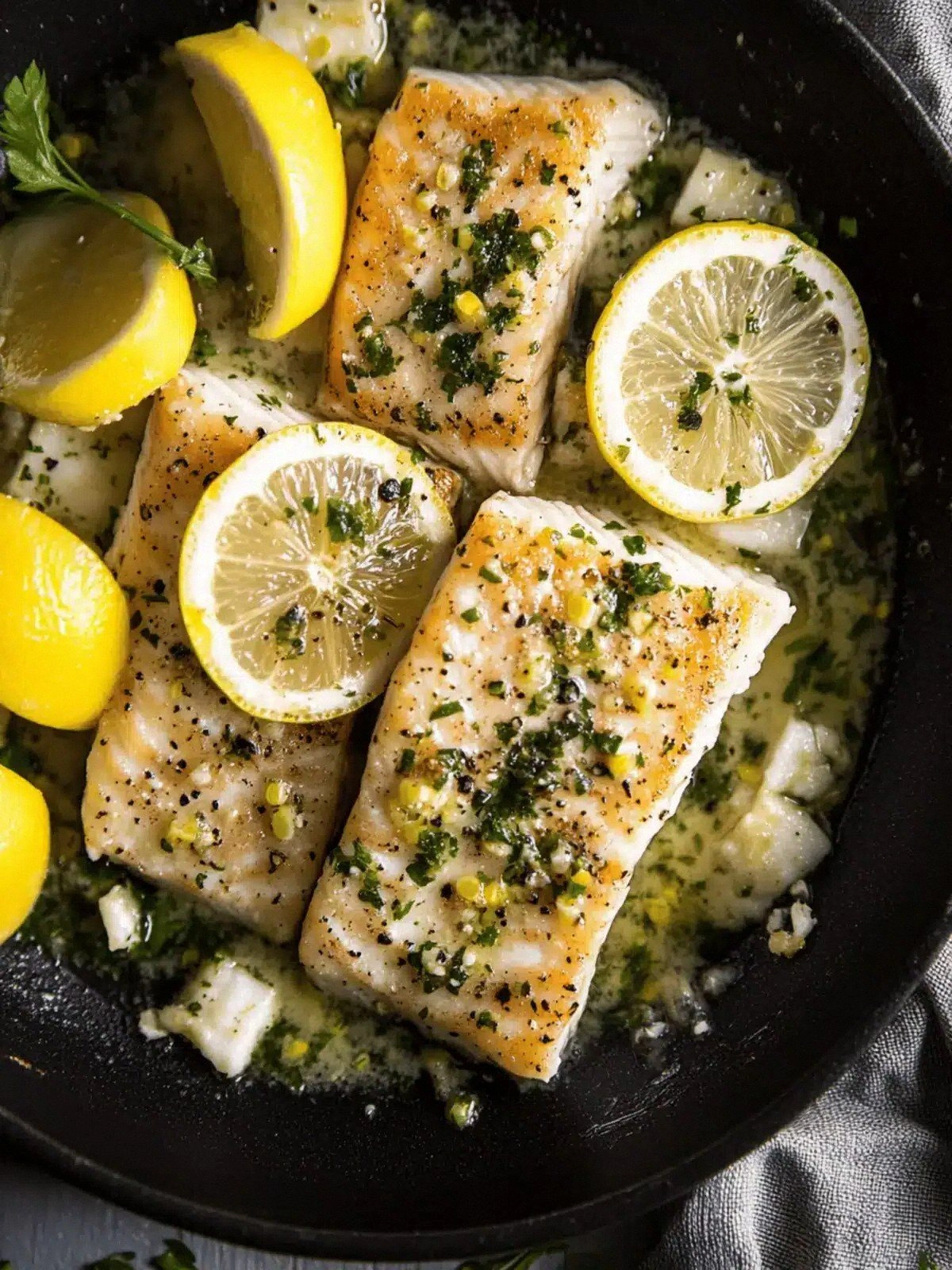
What makes this version stand out isn’t just the ingredients—it’s the way each element is handled. The fillets are seared to a golden crust that locks in juices, then finished in a buttery garlic sauce that’s quick, easy, and utterly irresistible. I’ve trimmed the steps to keep it under 45 minutes, yet every moment is packed with technique that elevates the dish. I’ll show you how to get that crisp edge that shatters like thin ice, how to balance the acidity of lemon with the richness of butter, and how to finish with a burst of freshness that makes the whole plate sing.
And there’s a secret twist you won’t expect: a splash of capers. Most recipes ignore this gem, but the tiny briny bursts of caper add a depth that turns ordinary into extraordinary. I dare you to taste this and not go back for seconds. Let me walk you through every single step—by the end, you’ll wonder how you ever made it any other way.
What Makes This Version Stand Out
- Flavor: The citrus‑butter sauce creates a bright, savory harmony that elevates the mildness of mahi‑mahi.
- Texture: A crisp, caramelized crust encases the flaky interior, giving each bite a satisfying contrast.
- Speed: The entire process takes just 45 minutes, making it a perfect weeknight dinner.
- Ingredient Quality: Fresh, high‑grade fillets paired with hand‑picked lemons and capers make the difference.
- Crowd‑Pleaser: Even the most skeptical palates rave; it’s the talk of the table.
- Versatility: The sauce works with other white fish, shrimp, or even grilled vegetables.
- Make‑Ahead: The sauce can be prepped in advance and reheated without losing flavor.
- Nutrition: Balanced macros with a lean protein source and healthy fats.
Inside the Ingredient List
The Flavor Base
At the heart of this dish lies the citrus‑butter sauce. Lemon juice provides the bright, acidic counterpoint to the richness of the butter, while garlic adds a warm, aromatic depth. Capers contribute a briny punch that cuts through the buttery sweetness. Together, they form a sauce that coats the fish like velvet, delivering a burst of flavor with every bite. If you skip the lemon, you lose the essential brightness that keeps the dish from feeling heavy.
The Texture Crew
The mahi‑mahi fillets themselves are the star of the show. Choosing fillets that are firm to the touch and slightly translucent ensures they hold together during searing. Olive oil acts as the cooking medium, preventing sticking and contributing a subtle fruity note. Salt and lemon pepper are the seasoning duo that seasons the fish from the outside, creating a savory crust. Without these, the fillets would taste flat and lack the satisfying snap when you bite into them.
The Unexpected Star
Capers are often overlooked, but in this recipe they provide an unexpected burst of umami and saltiness that elevates the entire dish. They are harvested from the caper bush, and their tiny, green buds have been prized since antiquity for their intense flavor. If you’re looking for a vegetarian alternative, finely chopped pickled green olives can mimic the brininess, but the capers give an authentic, Mediterranean touch.
The Final Flourish
Fresh parsley isn’t just a garnish; it offers a burst of green freshness that cuts through the richness of the sauce. The herb’s subtle peppery undertone adds another layer of complexity, making each bite feel fresh and bright. If parsley is out of season, a pinch of dried basil or a dash of oregano can work, but the fresh herb remains the ideal finish.
Everything's prepped? Good. Let’s get into the real action…
The Method — Step by Step
- Prep the Fillets: Pat the mahi‑mahi fillets dry with paper towels. Season both sides with salt, pepper, and a generous pinch of lemon pepper. The dry surface is key to achieving a caramelized crust that locks in moisture.
- Heat the Pan: Place a large non‑stick skillet over medium‑high heat. Add 2 tablespoons of olive oil, swirling to coat. Let the oil shimmer until it’s just about to smoke—this signals the pan is hot enough.
- Sear the Fish: Carefully lay the fillets in the pan, skin‑side down if your fillets have skin. Sear for 3–4 minutes, until the underside is a deep golden brown. Flip gently; the second side should only take 2–3 minutes. The goal is a crisp edge that shatters like thin ice.
- Add Butter and Garlic: Lower the heat to medium. Add 4 tablespoons of salted butter to the pan. Once it melts, toss in 3 minced garlic cloves. The garlic should sizzle softly, releasing a fragrant aroma that signals readiness.
- Introduce the Capers: Stir in 2 tablespoons of capers, letting them mingle with the butter and garlic. The capers’ briny burst will start to infuse the sauce, creating a depth that’s both savory and slightly tangy.
- Finish with Lemon: Squeeze the juice of one whole lemon over the fillets. The acidity cuts through the richness and brightens the dish. If you prefer a more pronounced lemon flavor, zest the lemon and sprinkle it over the top before serving.
- Garnish and Plate: Sprinkle 2 tablespoons of fresh parsley over the fillets. The herb adds a final pop of color and freshness. Serve immediately, spooning the buttery sauce over the fish.
- Optional Finishing Touch: Drizzle a little extra olive oil over the finished plate for a glossy sheen. A final pinch of sea salt can round out the flavors. Now you have a dish that’s both stunning and utterly delicious.
That’s it — you did it. But hold on, I’ve got a few more tricks that’ll take this to another level…
Insider Tricks for Flawless Results
The Temperature Rule Nobody Follows
Many cooks think a hot pan is always best, but the real trick is to let the pan reach a medium‑high temperature first, then dial it back to medium after adding the butter. This prevents the butter from burning while still allowing the fish to sear properly. I once tried searing directly over high heat and ended up with a bitter, over‑cooked crust. The temperature tweak saved the dish.
Why Your Nose Knows Best
When the garlic starts to turn golden, the aroma signals that it’s ready to be removed from the pan. If you wait too long, the garlic will burn and taste acrid. Trust your nose; a fragrant, golden garlic aroma means you’re on the right track.
The 5‑Minute Rest That Changes Everything
Let the fillets rest for 5 minutes after you finish cooking. This allows the juices to redistribute, ensuring each bite is moist. A friend once skipped this step and got a dry fish. The rest is essential for that buttery tenderness.
Capers: The Secret Brine
Capers can be a game changer. If you can’t find fresh capers, use a jar of brined capers; they’ll still deliver that briny punch. Just rinse them lightly to reduce the saltiness before adding.
Finishing Touch: Lemon Zest
Adding a bit of lemon zest right before serving amplifies the citrus profile and gives the sauce a subtle brightness that’s almost invisible but profoundly impactful. It’s a simple step that makes the dish feel polished.
Creative Twists and Variations
This recipe is a playground. Here are some of my favorite ways to switch things up:
Spicy Cajun Mahi‑Mahi
Swap the lemon pepper for a Cajun seasoning blend. Add a pinch of cayenne to the sauce for heat. The result is a smoky, spicy version that pairs well with a cool cucumber salad.
Herb‑Infused Version
Replace the parsley with a mix of thyme, oregano, and basil. Add a splash of white wine to the sauce to deepen the flavor. This Mediterranean twist is perfect for a summer dinner party.
Sweet and Smoky
Drizzle a little honey over the fillets before searing. Add a few drops of smoked paprika to the sauce. The honey caramelizes, creating a sweet, smoky glaze that’s irresistible.
Asian‑Inspired
Replace the butter with coconut milk and add a splash of soy sauce. Toss in sliced ginger and a few green onions. The sauce takes on a silky, umami profile that pairs beautifully with jasmine rice.
Vegetarian Variation
Use firm tofu or tempeh in place of mahi‑mahi. Follow the same searing process, but cook for a few minutes longer on each side. The result is a plant‑based dish that still delivers that buttery, citrusy sauce.
Pan‑Fried Shrimp
Swap the fish for large shrimp. Use the same sauce; the shrimp cook faster and absorb the flavors quickly. This quick variation is great for a light dinner.
Storing and Bringing It Back to Life
Fridge Storage
Cool the dish completely before covering it with an airtight container. Store in the refrigerator for up to 2 days. The sauce may thicken slightly; a splash of lemon juice or a drizzle of olive oil will restore its silky texture.
Freezer Friendly
For longer storage, place the fillets in a freezer‑safe bag, removing as much air as possible. Freeze for up to 3 months. Thaw overnight in the refrigerator before reheating.
Best Reheating Method
Reheat in a skillet over medium heat, adding a splash of water or broth to create steam. This keeps the fish moist and prevents the sauce from drying out. A quick 3‑minute reheat is all you need.