Winter fruit salad
I was standing in my kitchen, watching the last of the autumn leaves fall outside, when the phone buzzed with a friend’s dare: “Make the best fruit salad you’ve ever tasted.” I laughed, rolled up my sleeves, and grabbed the ingredients that were already sitting on my counter. The smell of fresh apples and the bright burst of citrus in the air made the room feel like a winter orchard. My kitchen felt alive, and I knew I was about to create something that would be talked about for weeks.
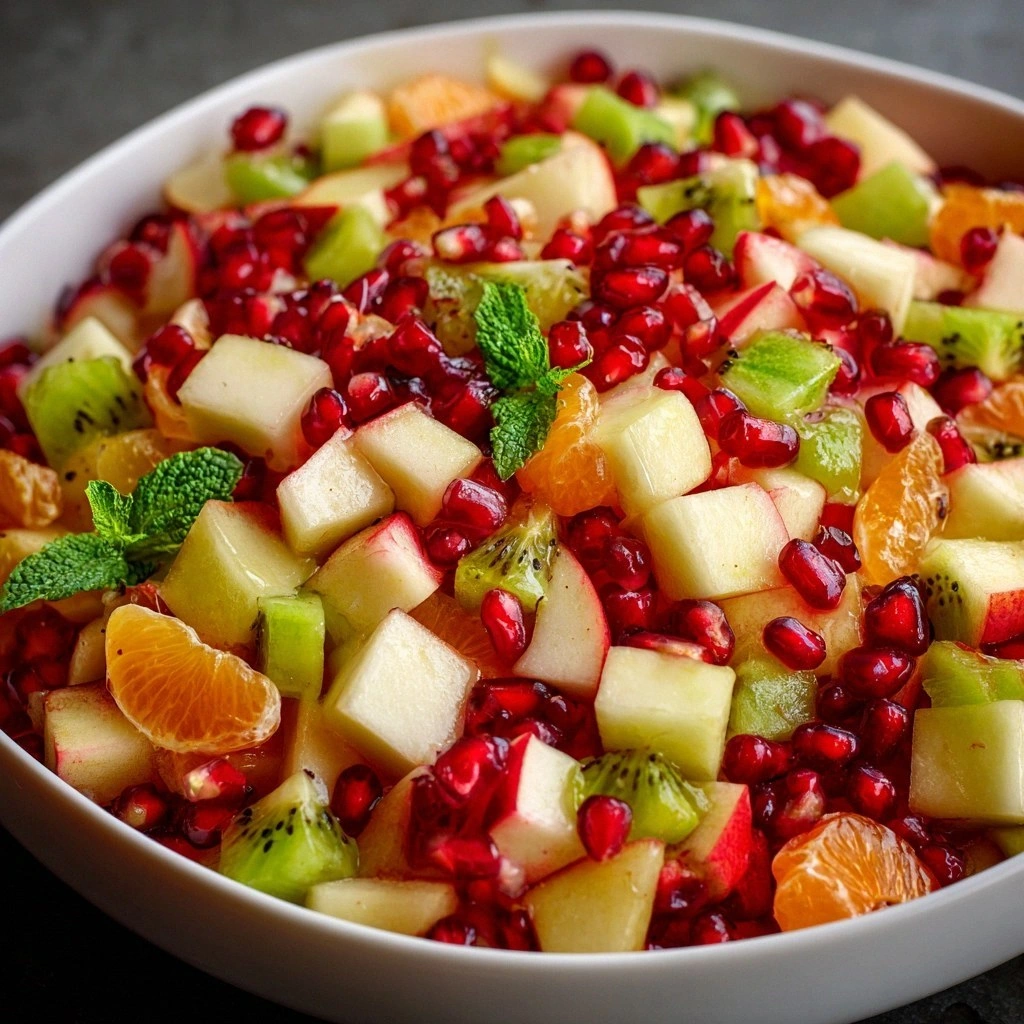
The first bite was a symphony of textures—crisp apple, juicy pear, and the soft, almost velvety feel of pomegranate seeds that popped like tiny fireworks. The citrus zing from mandarin orange segments cut through the sweetness, while the green kiwi added a splash of tropical vibrancy that felt out of season yet perfectly fitting. Each mouthful carried a bright, refreshing aftertaste that lingered like a cool breeze. I could hear the crunch echoing in the quiet kitchen, a subtle reminder of the fresh ingredients I’d chosen.
What makes this version stand out is not just the combination of fruits, but how they work together. I’ve layered the flavors so that the sweet, tart, and citrusy notes mingle without overwhelming one another. The honey and lemon dressing is a simple yet powerful binder that lifts every bite. Most recipes get this completely wrong by either over‑dressing the fruit or using too many different textures, resulting in a muddled result. Here, everything is intentional, each element in perfect harmony.
I dare you to taste this and not go back for seconds. That’s the confidence I have in this dish. Picture yourself pulling this out of the fridge on a cold winter morning, the whole kitchen smelling incredible, and you’re handed a bowl that feels like a bright, edible sunrise. Let me walk you through every single step—by the end, you’ll wonder how you ever made it any other way.
What Makes This Version Stand Out
- Taste: The dressing balances the natural sweetness of apples and pears with the tartness of pomegranate seeds and the bright citrus of mandarin oranges. This creates a layered flavor profile that dances on the tongue.
- Texture: The juxtaposition of crunchy apple, soft pear, and juicy kiwi provides a satisfying bite that keeps the salad interesting from the first forkful to the last.
- Visual Appeal: The jewel‑like pomegranate seeds and vibrant green kiwi create a striking color contrast that looks as good as it tastes.
- Health Boost: Each fruit brings a unique nutrient profile—antioxidants from pomegranate, vitamin C from mandarin, and potassium from apples—making this a wholesome treat.
- Make‑Ahead Friendly: The salad can be assembled a day ahead; the dressing simply needs to be added before serving to keep the fruits fresh.
- Adaptable: Swap in seasonal fruits or add nuts for crunch, and the base remains deliciously balanced.
Alright, let’s break down exactly what goes into this masterpiece…
Inside the Ingredient List
The Flavor Base
Diced Apples add a crisp, sweet backbone to the salad. Choosing varieties like Honeycrisp or Fuji ensures a satisfying crunch that resists turning mushy. If you skip apples, the salad loses that foundational bite and becomes too soft. A good tip is to wash apples under cold water and dry them with a paper towel to keep the texture pristine.
The Texture Crew
Pomegranate Seeds contribute a juicy burst of tartness and a pop of color that feels like edible confetti. Diced Pears soften the overall bite, providing a luscious, buttery mouthfeel that balances the sharper fruits. If you omit pears, the salad will lack that smoothness and feel more like a fruit salad than a dessert. A handy trick: keep pears chilled before cutting to keep them firm.
The Unexpected Star
Mandarin Orange Segments bring bright citrus notes that cut through sweetness and add a refreshing zing. They also bring a subtle floral undertone that elevates the overall aroma. If you skip mandarins, the salad will feel flat and lack that bright lift. You can use other citrus like blood oranges or even grapefruit for a slightly bitter edge.
The Final Flourish
Chopped Kiwi adds a tropical twist and a vibrant green hue that makes the bowl pop visually. Its slightly tart flavor complements the citrus, while its texture remains tender yet distinct. If you omit kiwi, the salad loses that exotic feel and the green contrast. A quick tip: peel kiwi with a vegetable peeler to keep the flesh smooth.
Everything’s prepped? Good. Let’s get into the real action…
The Method — Step by Step
- Start by washing all fruit thoroughly under cold running water. Pat them dry with a clean towel to avoid excess moisture, which can make the salad soggy. Dice apples and pears into bite‑size cubes, ensuring uniform size for even coating. This step is essential for a consistent mouthfeel.
- Place the diced apples, pears, and pomegranate seeds in a large mixing bowl. Toss gently to combine. The goal is to keep the fruit pieces separated so the dressing can cling to each bite. If you’re in a hurry, a quick shake of the bowl works wonders.
- Add the mandarin orange segments to the bowl. The citrus should be peeled and sectioned, removing any pith for a cleaner bite. The segments will release a subtle aroma that enhances the overall fragrance of the dish. This is where the salad starts to feel alive.
- Dice the kiwi into small cubes or use a melon baller for uniform pieces. The green color adds visual contrast and a subtle sweetness that pairs beautifully with the citrus. Be careful not to over‑cut; the kiwi should remain firm to maintain its texture.
- In a small bowl, whisk together honey and freshly squeezed lemon juice until the mixture is smooth and slightly thickened. The lemon juice not only adds brightness but also prevents the fruit from oxidizing. This dressing is the glue that holds the salad together.
- Pour the dressing over the mixed fruit, then gently toss until each piece is evenly coated. The dressing should coat the fruit like a fine mist, not soak them. This step is crucial for a balanced flavor profile and prevents the fruit from becoming soggy.
- Add the chopped fresh mint leaves to the bowl. The mint adds a refreshing aroma and a subtle peppery note that elevates the entire dish. If you prefer a more subtle mint flavor, use a few leaves instead of a full handful.
- Taste the salad and adjust seasoning if necessary. Add a splash more honey for sweetness or a dash of lemon juice for extra brightness. This final tweak ensures the salad feels perfectly balanced. The goal is to have a harmonious blend of sweet, tart, and citrusy notes.
That's it — you did it. But hold on, I've got a few more tricks that'll take this to another level…
Insider Tricks for Flawless Results
The Temperature Rule Nobody Follows
Keeping the fruit chilled until you’re ready to mix is essential. A warm fruit will release more juice, which can dilute the dressing and create a soggy texture. Store your diced apples, pears, and kiwi in the fridge for at least an hour before assembling. This simple step keeps the salad crisp and refreshing.
Why Your Nose Knows Best
Before adding the dressing, give the fruit a quick sniff. If the aroma is off, it might have started to oxidize. A quick rinse and a quick toss can revive the fragrance. I’ve learned that a fresh scent is a reliable indicator of quality, so trust your nose.
The 5-Minute Rest That Changes Everything
After dressing the salad, let it rest for five minutes before serving. This allows the flavors to meld and the fruit to absorb the dressing fully. If you serve it immediately, the dressing may cling unevenly, leading to a less harmonious bite.
Avoiding the “Fruit Slush” Trap
If you’re tempted to blend the fruit into a smoothie, think again. This salad is meant to be bite-sized, not pureed. Keeping the fruit whole preserves the textural contrast that makes each mouthful exciting.
The Secret to a Vibrant Color Palette
Use a splash of lemon juice on each fruit before adding it to the bowl. The acid not only prevents browning but also enhances the natural hues. This simple trick transforms a bland mix into a vibrant, Instagram-worthy dish.
Storing the Sweetness
If you need to store the salad for later, keep the dressing separate until you’re ready to serve. This prevents the fruit from becoming soggy and preserves the crunch. A small airtight container works best for short‑term storage.
Creative Twists and Variations
This recipe is a playground. Here are some of my favorite ways to switch things up:
Nutty Crunch Variation
Add toasted almond slivers or chopped walnuts for an extra crunch and nutty flavor. The nuts complement the sweet fruit and provide healthy fats, making the salad more filling. This variation is perfect for brunch or a light lunch.
Spicy Citrus Twist
Incorporate a pinch of cayenne pepper or a few drops of hot sauce into the dressing. The subtle heat cuts through the sweetness and adds an exciting edge. This is a great option for those who like a little kick.
Berry Boost
Swap out half the apple for mixed berries—strawberries, blueberries, or raspberries. The berries add a juicy burst of flavor and a pop of color. This version is especially refreshing during late winter or early spring.
Herb Infusion
Replace mint with basil or tarragon for a different aromatic profile. The basil’s sweet, peppery note pairs wonderfully with citrus, while tarragon offers a subtle anise flavor. These herbs bring a new dimension to the dish.
Frozen Fruit Cooler
Freeze the diced apple, pear, and kiwi pieces before mixing. When you toss them with the dressing, they’ll give a slushy texture that’s perfect for a hot day. Just be sure to thaw them slightly so they don’t become mushy.
Storing and Bringing It Back to Life
Fridge Storage
Store the salad in an airtight container in the refrigerator for up to 24 hours. Keep the dressing separate until just before serving to preserve the fruit’s crispness. This method allows you to enjoy a fresh, vibrant salad any time.
Freezer Friendly
Freezing the salad isn’t recommended because the fruit will release water and lose texture. If you must freeze, store the fruit and dressing separately and combine after thawing. This keeps the components as crisp as possible.
Best Reheating Method
If the salad has cooled to room temperature and you want to bring it back to life, simply re‑toss it with a splash of fresh lemon juice and a few mint leaves. Add a tiny splash of water before reheating in a microwave for 10–15 seconds if you need a quick refresh. This trick restores juiciness without compromising texture.