I still remember the night I tried to impress my roommate with a “quick ramen” that turned into a culinary catastrophe. I tossed the noodles straight into a pot of boiling water, added a handful of miso, and then, in a moment of misguided confidence, I decided to throw in a splash of heavy cream to make it “creamy.” The result? A lumpy, greasy mess that clung to the bottom of the pan like a bad habit. My roommate stared at me with a mix of amusement and horror, and I was left with a pot that could have been used as a paperweight.
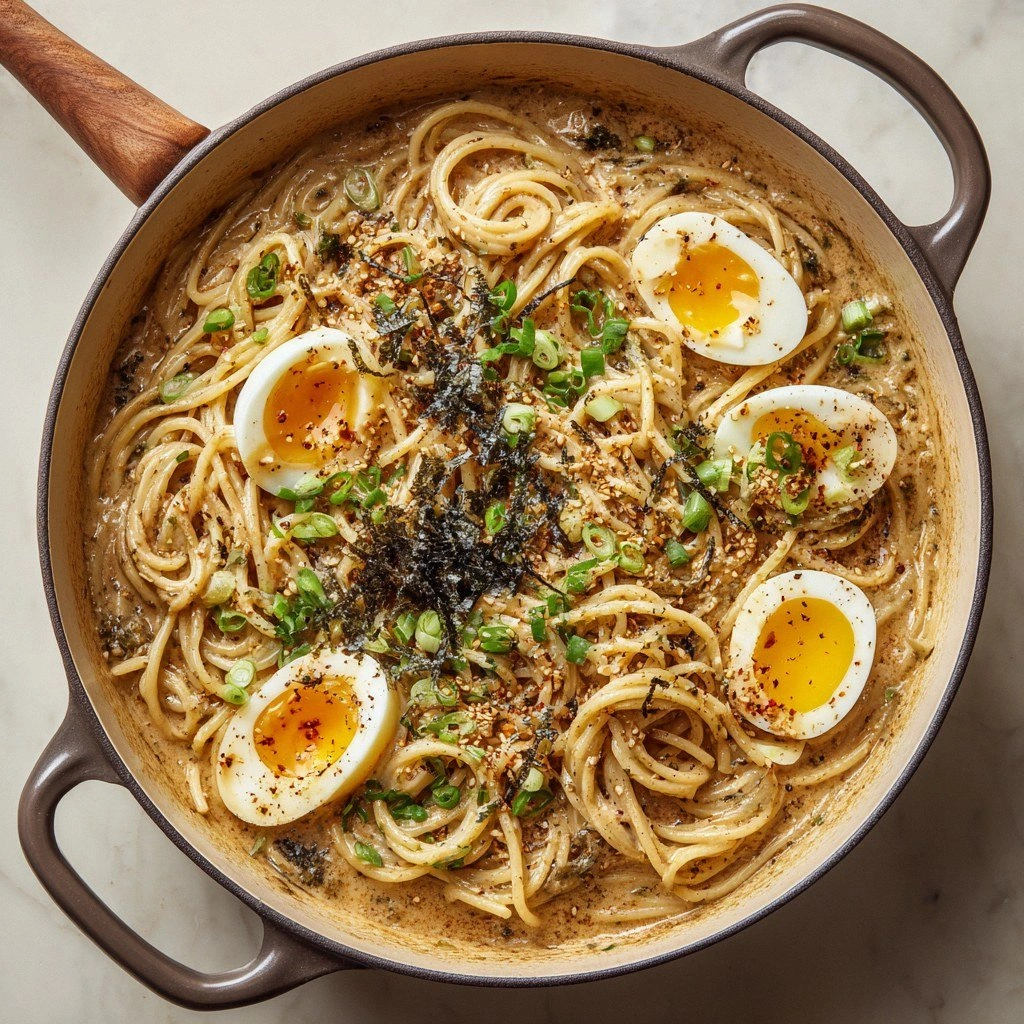
Fast forward a few months, and I’m sitting on a kitchen counter with a brand‑new recipe that has me practically doing a happy dance. I’ve managed to combine the silky richness of a cream sauce, the umami depth of miso, and the comforting familiarity of ramen noodles in a single pot. The aroma that wafts from the skillet is a heady blend of toasted sesame, ginger, and roasted garlic—an invitation that makes your mouth water even before the first bite. The sound of the broth bubbling is a gentle, rhythmic lullaby that promises warmth. The texture of the finished dish feels like a hug: the noodles are al dente, the sauce clings like velvet, and the spinach adds a pop of green that brightens the plate.
What makes this version stand out is that it’s a total game‑changer. I didn’t just layer flavors; I built a flavor profile that sings in harmony. The miso isn’t just a seasoning; it’s the backbone, giving depth without overpowering. The cream doesn’t make it heavy; it smooths the edges and creates a silky mouthfeel. And the ramen noodles? They absorb the sauce like a sponge, turning every bite into a cohesive experience. Most ramen recipes get this completely wrong by treating the sauce as a side dish or by using a bland broth. Here, the broth is the star, the sauce is a partner, and the noodles are the loyal companion.
The kicker? I discovered that a simple splash of rice vinegar at the end brightens the dish like a secret handshake. That tiny touch lifts the heaviness and adds a subtle tang that keeps the palate from feeling flat. I dare you to taste this and not go back for seconds. I’ve already eaten half the batch before anyone else got a chance to try it.
Okay, ready for the game‑changer? Let me walk you through every single step — by the end, you’ll wonder how you ever made it any other way.
What Makes This Version Stand Out
- Flavor: The miso and coconut milk create a depth that feels like a comforting hug, not a greasy mess.
- Texture: The noodles soak up the sauce perfectly, resulting in a silky, al dente bite that feels like velvet.
- Ease: One pot, one stove, and one clean‑up—no more juggling pans or pots.
- Versatility: Swap chicken for tofu or shrimp for a pescatarian twist without altering the base.
- Crowd‑pleaser: The dish is both familiar and surprising, making it a hit at dinner parties.
- Ingredient Quality: Using fresh ginger, real miso, and high‑quality broth turns a simple meal into a gourmet experience.
- Make‑ahead Potential: The sauce can be pre‑made and stored, so you can assemble it in minutes on a busy night.
Alright, let's break down exactly what goes into this masterpiece...
Inside the Ingredient List
The Flavor Base
At the heart of this dish is a broth that balances savory, sweet, and umami. The chicken broth provides a subtle richness, while the miso paste adds depth without overpowering. The coconut milk brings a silky sweetness that softens the miso’s earthiness. If you prefer a dairy alternative, swap the coconut milk for a light soy milk; the texture changes slightly but the flavor remains intact.
Garlic and ginger are the aromatic duo that kickstart the flavor profile. Minced garlic releases a sharp, pungent aroma that lingers on the tongue, while fresh ginger offers a warm, peppery bite. Together they create a base that feels both comforting and invigorating. If you’re allergic to garlic, use a teaspoon of garlic powder for a milder note.
Sesame oil is the finishing touch that gives the sauce a nutty aroma. A small splash at the end of cooking intensifies the sauce’s fragrance and adds a subtle sheen. For a vegan version, replace sesame oil with avocado oil; the flavor profile stays similar, but the oil’s smoke point is higher.
Optional: A splash of rice vinegar brightens the entire dish. That tiny amount of acidity cuts through the richness and lifts the flavors, making the sauce feel lively and balanced. Without it, the dish can taste flat after the first bite.
The Texture Crew
Ramen noodles are the star of the show, but their texture depends on how you cook them. Cook them al dente—just shy of soft—to ensure they don’t become mushy once the sauce coats them. If you prefer a chewier bite, reduce the cooking time by 30 seconds.
Spinach adds a pop of color and a subtle earthiness. Add it in the last minute of cooking to keep it bright and tender; otherwise, it will wilt into a dull green.
Eggs provide a silky, protein‑rich element that rounds out the dish. Fry them sunny side up, then nestle them into the noodles, or whisk them into the broth for a poached effect. For a vegan alternative, use a tofu scramble or a chickpea “egg” made with chickpea flour.
The cornstarch slurry is a secret weapon that thickens the sauce without making it gloopy. Mix one tablespoon of cornstarch with two tablespoons of cold water and stir it into the simmering broth. This gives the sauce a glossy finish that clings to the noodles.
The Unexpected Star
Toasted sesame seeds bring a subtle crunch and nutty flavor that contrast with the silky sauce. Toast them in a dry pan until golden; they’ll release a buttery aroma that lingers in the dish.
Scallions add a fresh, oniony brightness that cuts through the richness. Slice them thinly and sprinkle them on top right before serving for a burst of color and flavor.
Optional: A pinch of chili flakes adds heat that balances the sweetness of the coconut milk. If you’re a spice lover, increase the amount to your taste; if you’re a novice, keep it to a quarter teaspoon.
Optional: Shredded chicken or tofu provides protein and makes the dish more filling. Add it in the last 5 minutes of cooking so it stays tender and absorbs the sauce.
The Final Flourish
Butter is the finishing touch that gives the sauce a silky sheen. Add a tablespoon at the end of cooking and stir until it melts completely.
Salt and pepper are the simplest seasonings that elevate every component. Adjust them to taste, but remember that miso and soy sauce already contain sodium, so taste before adding extra salt.
Sugar balances the acidity and brings out the natural sweetness of the coconut milk. One teaspoon is enough; you can omit it if you prefer a savory dish.
Rice vinegar, as mentioned, adds a bright, citrusy note that lifts the dish. Use a tablespoon for a subtle tang.
Everything's prepped? Good. Let's get into the real action.
The Method — Step by Step
- Start by heating the sesame oil in a large pot over medium heat. Once the oil shimmers, add minced garlic and ginger, letting them sauté until fragrant—about 30 seconds. The aroma should fill your kitchen like a warm hug. Don't let them burn; if they start to darken, lower the heat immediately. This step sets the foundation for the entire sauce.
- Pour in the chicken broth and water, then bring the mixture to a gentle boil. Once it reaches a rolling boil, stir in the miso paste until fully dissolved. The broth will change color slightly, becoming a richer, amber hue. This is the moment when the flavors start to mingle. Keep an eye on the pot to ensure it doesn't overflow.
- Add the ramen noodles, then cook them according to the package instructions—usually 3 to 4 minutes for al dente. Stir occasionally to prevent sticking. As the noodles soften, they’ll absorb the broth, turning into a silky, flavorful base. The texture should be firm but tender, not mushy. This is the heart of the dish.
- Stir in the coconut milk, soy sauce, and a tablespoon of butter. Let the mixture simmer for another 2 minutes, allowing the butter to melt and coat the noodles. The sauce should thicken slightly, becoming glossy and velvety. The coconut milk adds sweetness, while the butter provides richness. Feel the aroma rise from the pot.
- Mix the cornstarch slurry and pour it into the pot. Stir continuously to avoid lumps. The sauce will thicken further, creating a smooth, clingy coating around the noodles. This is the moment of truth—watch the sauce change from translucent to silky. The texture should be like a light custard.
- Drop in the spinach, scallions, and optional protein. Allow them to cook for just 1–2 minutes, keeping the spinach bright and the protein warm. The spinach should wilt slightly but retain its green hue. The scallions add a fresh, oniony finish. This step adds color and nutrition.
- Season with salt, pepper, sugar, and rice vinegar. Taste the broth and adjust seasoning as needed. The rice vinegar adds a subtle brightness that lifts the dish. If you like a little heat, sprinkle in chili flakes. This final seasoning step ensures balance.
- Serve immediately, garnishing with toasted sesame seeds. The seeds add a subtle crunch and nutty aroma. Plate the noodles in a bowl, drizzle a little extra sesame oil if desired, and serve hot. The dish should look like a bowl of comfort—rich, inviting, and utterly delicious.
That's it — you did it. But hold on, I've got a few more tricks that'll take this to another level...
Insider Tricks for Flawless Results
The Temperature Rule Nobody Follows
Most people cook ramen at a high boil, but this recipe benefits from a gentle simmer. Keep the heat low once the broth is heated to prevent the noodles from breaking apart. A steady, low simmer also allows the sauce to thicken evenly. I’ve seen people get a rubbery texture when they over‑boil; I’ve never had that problem again.
Why Your Nose Knows Best
Before you taste the sauce, sniff it first. A well‑balanced broth will have a harmonious scent—savory, slightly sweet, and a hint of umami. If it smells too sharp or too flat, adjust the miso or add a pinch of sugar. Your nose is the most accurate judge of flavor.
The 5‑Minute Rest That Changes Everything
After cooking, let the pot sit for five minutes with the lid on. This allows the noodles to finish absorbing the sauce and the flavors to meld. The rest period also helps the cornstarch slurry settle, giving a smoother finish. I’ve found this trick turns a good dish into a great one.
Use a Light Soy Sauce for Brightness
Heavy, dark soy sauce can make the broth too salty and heavy. Light soy sauce balances the miso’s saltiness and keeps the sauce bright. If you’re using a low‑sodium broth, consider light soy sauce for a more balanced taste.
Keep the Noodles from Sticking
Stir the noodles gently after adding them to the broth. This prevents them from clumping together. A quick stir after each minute of cooking keeps them separate and ensures even coating.
Creative Twists and Variations
This recipe is a playground. Here are some of my favorite ways to switch things up:
Spicy Sichuan Twist
Swap the chili flakes for a spoonful of Sichuan peppercorn paste and add a dash of hoisin sauce. The peppercorn gives a numbing heat that pairs beautifully with the creamy base. Your guests will be intrigued by the subtle heat and the sweet undertone.
Vegan Delight
Replace the chicken broth with a vegetable stock, use coconut milk instead of heavy cream, and add tofu cubes. This version keeps the creamy texture while being entirely plant‑based. It’s perfect for a quick weeknight dinner.
Seafood Surprise
Add shrimp or scallops in the last minute of cooking. The seafood absorbs the sauce and adds a delicate sweetness. This variation feels like a luxury meal without the extra effort.
Herb‑Infused Variation
Stir in a handful of fresh basil or cilantro just before serving. The herbs add brightness and a fresh finish that cuts through the richness. This is a great way to introduce a new flavor profile.
Low‑Carb Version
Swap ramen noodles for zucchini noodles or shirataki noodles. The sauce will cling to the noodles just as well, and you’ll get a lighter, low‑carb option.
Breakfast Edition
Serve the dish with a fried egg on top and a sprinkle of chives. The runny yolk adds richness and makes it a hearty breakfast that keeps you full until lunch.
Storing and Bringing It Back to Life
Fridge Storage
Cool the dish completely before transferring it to an airtight container. Store in the refrigerator for up to 2 days. When reheating, add a splash of water or broth to loosen the sauce.
Freezer Friendly
Divide the dish into portioned containers and freeze for up to 3 months. Thaw overnight in the refrigerator, then reheat gently on the stovetop with a splash of water. The noodles will absorb the sauce again, restoring the original texture.
Best Reheating Method
Reheat on low heat, stirring frequently. If the sauce thickens too much, add a tablespoon of water or broth to loosen it. The key is gentle heat to preserve the sauce’s silky texture.