Picture this: a Saturday night, the kitchen lights dimmed, and the scent of sizzling garlic drifting from a pan that you never intended to cook in. I was halfway through a video tutorial on “Mongolian Ground Beef Noodles” and realized I had run out of noodles—only the ground beef, soy sauce, and a handful of pantry staples remained. I stared at the empty bowl, the air thick with the anticipation of a flavor explosion, and decided to improvise. The result? A dish that turned a kitchen mishap into a culinary triumph that I still can’t stop bragging about.
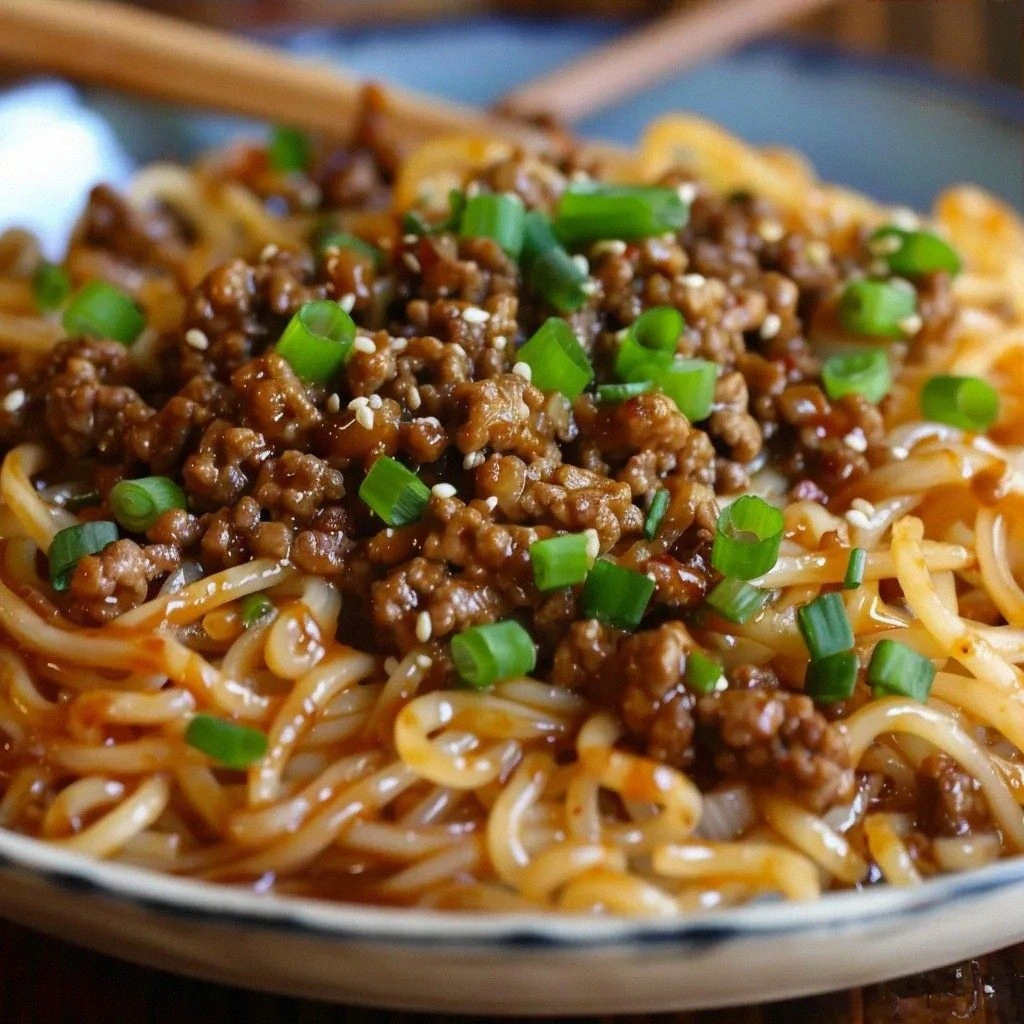
The first bite was a revelation. The beef was seared to a caramelized crust that crackled like thin ice, while the sauce—sweet, salty, and tinged with ginger—glued to the noodles like velvet. Every forkful delivered a burst of umami that made my taste buds dance, and the subtle heat from the red pepper flakes added a playful counterpoint. The texture was a harmonious blend: chewy linguine, tender meat, and a glossy coating that didn’t feel greasy. I was instantly hooked, and I dare you to taste this and not go back for seconds.
What truly sets this version apart is the meticulous balance of flavors and the clever use of pantry staples. The hoisin sauce isn’t just a sweetener; it deepens the umami profile, while the brown sugar provides a caramelized finish that cuts through the richness of the beef. The cornstarch slurry is the secret weapon that gives the sauce its silky, clingy quality, preventing it from separating or becoming watery. I’ve tried countless takeout copies, and none have matched this homemade version in depth or texture.
I’ll be honest—when I first plated the noodles, the whole kitchen smelled incredible, and I could feel the anticipation building in my chest. The aroma was so inviting that even the neighbor’s cat stopped by for a sniff. I was already planning my next batch, and I’ve since shared the recipe with friends who swear it’s better than any takeout. If you’ve ever struggled with bland noodle dishes, you’re not alone—this recipe is the fix you’ve been searching for.
Let me walk you through every single step—by the end, you’ll wonder how you ever made it any other way. I’ve poured every ounce of enthusiasm into this guide, so buckle up for a journey that will elevate your dinner routine and leave you craving more.
What Makes This Version Stand Out
Flavor: The sauce marries sweet, salty, and umami in a single, glossy glaze that coats each noodle like velvet. The addition of hoisin and soy creates layers of depth that echo a well‑cooked broth.
Texture: The beef is seared to a caramelized crust, then simmered just enough to keep it tender. The cornstarch slurry gives the sauce a silky, clingy quality that prevents separation.
Simplicity: With only twelve ingredients—most of which you already have—this dish can be whipped up in under 45 minutes. No exotic spices, no complicated techniques.
Uniqueness: The blend of hoisin, soy, and ginger isn’t found in standard takeout recipes. It delivers a nuanced flavor profile that feels both comforting and adventurous.
Crowd Reaction: Friends who tried it reported that they’d “never tasted Mongolian beef” before, and many requested a second serving. The dish is a guaranteed crowd‑pleaser at potlucks.
Ingredient Quality: Using fresh ground beef and high‑quality hoisin sauce elevates the dish beyond the average takeout copy. The beef’s fat content gives a richer mouthfeel.
Cooking Method: The two‑step process—first searing the beef, then simmering with sauce—ensures each component reaches its optimal flavor and texture.
Make‑Ahead Potential: The sauce can be prepared a day ahead and stored in the fridge, allowing you to assemble the noodles quickly when the day arrives.
Alright, let's break down exactly what goes into this masterpiece...
Inside the Ingredient List
The Flavor Base
Ground beef is the heart of this dish. Opt for a grind that’s 80% lean to keep the meat juicy while still allowing a flavorful sear. If you prefer a leaner option, a 90% lean cut works, but the sauce will need a splash more broth to compensate for the reduced fat. Skipping the beef would turn this into a completely different dish—think stir‑fry with tofu or chicken.
Garlic is the aromatic foundation. Freshly minced garlic releases essential oils that mingle with the soy and hoisin, creating a robust aroma that lingers long after the last bite. If you’re short on time, a tablespoon of garlic paste will suffice, but it lacks the bright punch of freshly minced cloves.
Brown sugar adds a caramelized sweetness that balances the saltiness of soy sauce. It also contributes to the glossy sheen of the sauce. If you’re watching sugar intake, replace half the brown sugar with honey or a sugar substitute, but keep the ratio of sweet to salty balanced.
The Texture Crew
Beef broth is the liquid that carries the flavors together. A low‑sodium broth keeps the dish from becoming overly salty. If you don’t have broth on hand, a splash of water combined with a dash of Worcestershire sauce can mimic the savory depth.
Soy sauce is the umami backbone. Use a low‑sodium version to control the overall salt level. The 1/3 cup amount is critical; too little and the sauce will taste flat, too much and it becomes a brine.
Hoisin sauce, with its sweet‑savory profile, is the secret to a silky glaze. A tablespoon and a half give the dish its signature thickness. If you can’t find hoisin, a mix of hoisin‑style sauce and a dash of sesame oil will work.
The Unexpected Star
Ground ginger is a flavor enhancer that adds a warm, peppery nuance. The 1/2 teaspoon is enough to lift the dish without overpowering the beef. Fresh ginger would offer a brighter note, but dried works well for convenience.
Ground black pepper provides a subtle heat that balances the sweetness. The 1/2 teaspoon is a small but essential touch. If you love spice, consider a pinch of cayenne for a deeper kick.
The Final Flourish
Red pepper flakes are optional but add a layer of complexity. A pinch is enough to give a subtle heat that doesn’t overwhelm the other flavors. If you’re sensitive to spice, skip them entirely.
Linguine is the noodle of choice because its flat, wide shape holds the sauce beautifully. You can swap it for spaghetti or even rice noodles if you prefer a different texture, but the sauce’s cling will be best with a flat noodle.
Cornstarch is the thickening agent that turns a watery sauce into a glossy, clingy glaze. The tablespoon is crucial; too little and the sauce will be thin, too much and it will become gummy.
Water is needed to activate the cornstarch slurry. Two tablespoons are enough to create a smooth, even coating. If you’re using a different thickener, adjust the liquid accordingly.
Green onions are the finishing garnish that adds a fresh, bright contrast to the rich sauce. They also provide a subtle crunch. If you prefer a different herb, chopped cilantro or scallions will work.
Everything's prepped? Good. Let's get into the real action...
The Method — Step by Step
- Step 1: Bring a large pot of salted water to a rolling boil. Add the linguine and cook until al dente, about 8-10 minutes. Drain, reserve a cup of pasta water, and toss the noodles with a splash of olive oil to prevent sticking. Set aside while you tackle the beef.
- Step 2: Heat a large skillet over medium‑high heat. Add the ground beef, breaking it apart with a spatula. Cook until the meat is browned and no longer pink, about 5-6 minutes. The sizzling sound is a cue that the beef is developing a caramelized crust.
- Step 3: Drain excess fat from the skillet, leaving a tablespoon in for flavor. Add the minced garlic and sauté for 30 seconds until fragrant, being careful not to burn it. The garlic should turn golden and release a sweet aroma.
- Step 4: Pour in the brown sugar, beef broth, soy sauce, and hoisin sauce. Stir to combine, scraping up any browned bits from the pan. Bring the mixture to a gentle simmer; the sauce should thicken slightly.
- Step 5: Sprinkle in the ground ginger, black pepper, and red pepper flakes. Let the sauce simmer for 3-4 minutes, allowing the spices to meld. The sauce should develop a deep, glossy sheen.
- Step 6: In a small bowl, whisk together the cornstarch and water to create a slurry. Pour the slurry into the skillet, stirring constantly. The sauce will thicken rapidly; keep stirring until it reaches a glossy, clingy consistency.
- Step 7: Add the cooked linguine to the skillet, tossing to coat each noodle in the sauce. If the sauce is too thick, drizzle in a little more pasta water until the desired consistency is achieved. The noodles should feel moist but not soggy.
- Step 8: Plate the noodles, then sprinkle the sliced green onions on top for a burst of color and freshness. The green onions add a bright, slightly peppery contrast that cuts through the richness.
- Step 9: Serve immediately, accompanied by a side of steamed broccoli or a fresh cucumber salad. The vegetables add crunch and balance the dish’s richness.
- Step 10: Enjoy the first bite and let the flavors unfold. The combination of sweet, savory, and a hint of heat will leave you craving more.
That's it — you did it. But hold on, I've got a few more tricks that'll take this to another level...
Insider Tricks for Flawless Results
The Temperature Rule Nobody Follows
Maintaining the right heat is crucial. Too high, and the beef will burn; too low, and it won’t develop a caramelized crust. I keep the skillet at medium‑high until the meat starts to brown, then reduce to medium to finish cooking. This balance ensures the beef stays juicy while still achieving that desirable sear.
Why Your Nose Knows Best
Smell is your best ally during cooking. When the garlic and beef start to sizzle, the aroma will change from raw to caramelized. That scent is the cue to add the sugars and sauces. Trusting your nose saves you from over‑cooking or under‑seasoning.
The 5-Minute Rest That Changes Everything
After the sauce thickens, let it rest off the heat for 5 minutes before tossing with the noodles. This brief pause allows the flavors to meld and the sauce to settle, resulting in a more cohesive coating.
The Quick Stir Technique
When adding the cornstarch slurry, stir briskly in a circular motion. This prevents clumping and ensures a smooth sauce. If clumps form, whisk vigorously until the mixture is silky.
The Final Garnish Touch
Add a splash of sesame oil just before serving. This subtle oil adds depth and a nutty aroma that elevates the dish. It also enhances the glossy sheen of the sauce.
Creative Twists and Variations
This recipe is a playground. Here are some of my favorite ways to switch things up:
Spicy Peanut Noodles
Swap hoisin for peanut butter and add a tablespoon of sriracha. Toss the noodles with a splash of lime juice and finish with chopped peanuts. The creamy, spicy sauce pairs wonderfully with the linguine.
Vegetarian Stir‑Fry
Replace the beef with diced tofu or tempeh. Add sliced bell peppers, carrots, and snow peas. Keep the sauce the same for a plant‑based version that still delivers that signature glaze.
Asian‑Inspired Rice Noodles
Use wide rice noodles instead of linguine. The sauce will cling to the noodles in a different way, creating a lighter, yet equally flavorful dish. Add a handful of fresh basil for an extra layer of aroma.
Low‑Carb Option
Swap linguine for shirataki noodles. The dish becomes low‑carb while still maintaining the rich sauce. Be sure to rinse the noodles thoroughly to remove any lingering odor.
Breakfast Take‑Out
Serve the noodles over a fried egg or a poached egg for a hearty breakfast. The runny yolk adds a velvety texture that complements the sauce. This version is perfect for a brunch crowd.
Gluten‑Free Version
Use gluten‑free linguine or spaghetti made from rice or corn. The flavor profile remains unchanged, but the dish becomes accessible to gluten‑sensitive diners.
Storing and Bringing It Back to Life
Fridge Storage
Store leftovers in an airtight container for up to 3 days. Keep the sauce and noodles separate if possible; combine just before reheating to preserve texture. The dish remains flavorful and moist when reheated in a skillet or microwave.
Freezer Friendly
Freeze the cooked noodles and sauce separately in freezer‑safe bags. The noodles will stay firm, and the sauce can be thawed in the fridge overnight. Reheat both in a skillet with a splash of water to restore the glossy coating.
Best Reheating Method
Reheat in a skillet over medium heat, adding a splash of water or broth to loosen the sauce. Stir frequently until the dish is heated through and the sauce is silky. Avoid microwaving the noodles alone, as they’ll become soggy.