Picture this: it’s a rainy Tuesday, the kind that makes you want to stay in pajamas and let the world melt away behind a foggy window. I was halfway through a half‑baked batch of plain fried rice when my roommate burst in, waving a half‑finished jar of kimchi like a trophy. “Bet you can’t make something better than this,” she challenged, eyes glittering with mischief. I laughed, tossed the kimchi into the pan, and what happened next was nothing short of culinary fireworks – the rice turned ruby‑red, the air filled with a spicy‑sour perfume that made my stomach growl louder than a freight train.
The first bite was a revelation. The tangy crunch of fermented cabbage collided with the buttery, slightly caramelized rice, while a whisper of sesame oil lingered on the palate like a secret lover’s kiss. I could hear the sizzle as the kimchi hit the hot pan, a sound that promised the perfect balance of heat and depth. My tongue danced between the umami of soy sauce, the heat of gochujang, and the subtle sweetness of caramelized onions – it was like a symphony where every instrument finally found its harmony.
Most kimchi fried rice recipes either drown the dish in sauce or leave the kimchi as an afterthought. This version, however, treats kimchi as the star, coaxing out its natural crunch while marrying it to rice that’s been given a second life – the day‑old kind that holds onto flavor like a stubborn memory. The secret? A quick toast of the rice in a hot wok before anything else, and a splash of sesame oil at the very end that gives the dish a glossy finish you usually only see in high‑end Korean bistros.
And here’s the kicker: I’ll be honest — I ate half the batch before anyone else got a chance to try it, and I’m still not sorry. The combination of textures and flavors is so addictive that you’ll find yourself daring anyone to take just one bite and not go back for seconds. Ready for the game‑changer? Let me walk you through every single step — by the end, you’ll wonder how you ever made it any other way.
What Makes This Version Stand Out
- Taste: The marriage of tangy kimchi, savory soy, and a hint of sweet caramelization creates layers that unfold with each bite, delivering a flavor profile that feels both comfort‑food familiar and boldly adventurous.
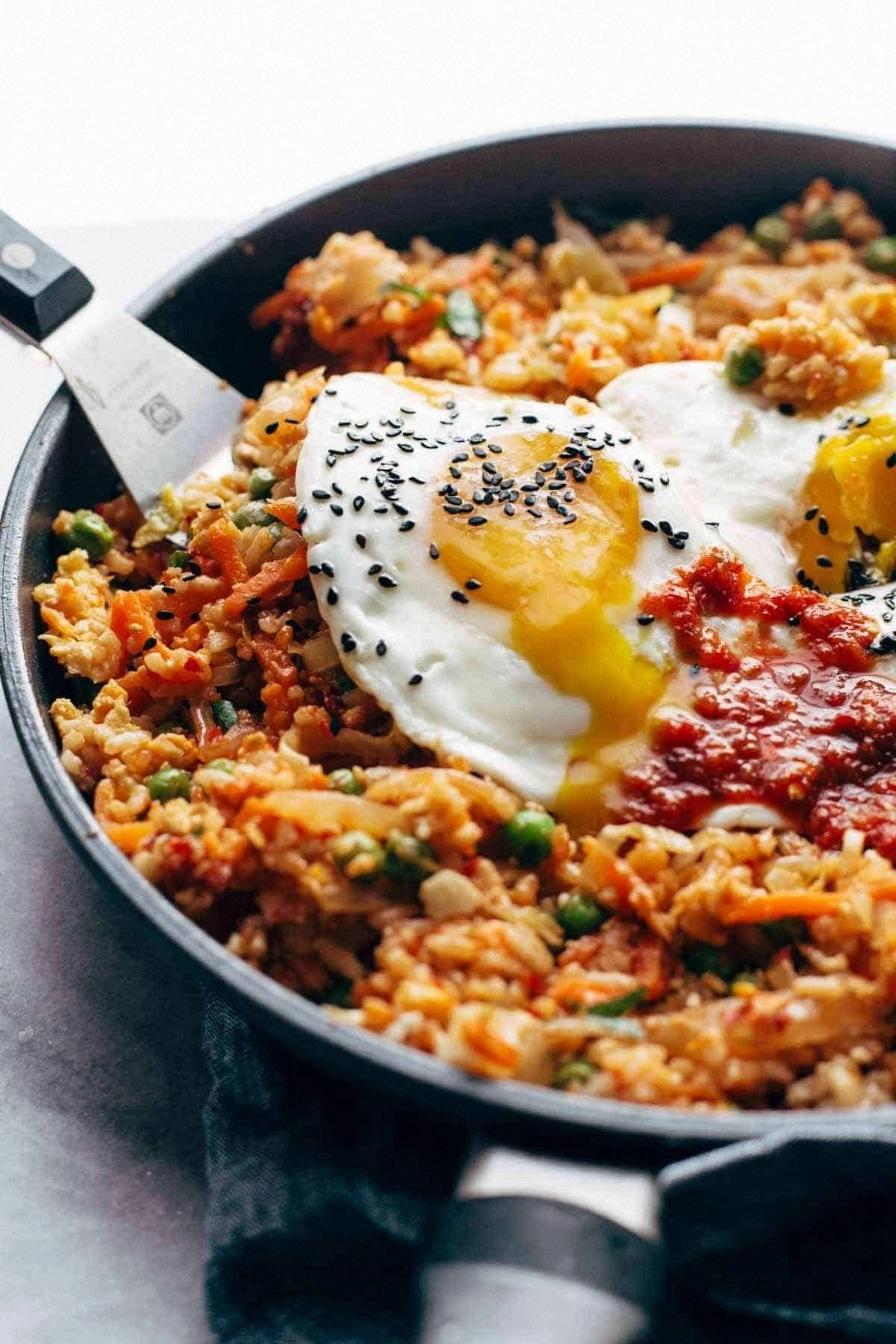
- Texture: Crispy rice edges that pull away from the pan sit beside tender kimchi chunks, while a soft, runny egg yolk adds a silky coating that ties everything together.
- Simplicity: Fewer than ten ingredients, most of which you probably already have in the pantry, mean you can throw this together in under thirty minutes without a grocery run.
- Uniqueness: Toasting the rice first creates a subtle nutty note that most recipes skip, and the final drizzle of sesame oil gives a glossy finish that looks as good as it tastes.
- Crowd Reaction: This dish consistently earns the “wow” shout‑out at dinner parties; even the most skeptical eaters admit they’ve never tasted kimchi this vibrant before.
- Ingredient Quality: Using well‑aged, properly fermented kimchi makes a world of difference – the deeper the flavor, the less you need to add extra salt or spice.
- Cooking Method: High‑heat wok technique ensures the rice gets that coveted “toasty” edge while the kimchi retains its crunch, avoiding the soggy mess many home cooks fear.
- Make‑Ahead Potential: The core components can be pre‑pped a day ahead, meaning you can assemble and finish the dish in minutes when hunger strikes.
Alright, let's break down exactly what goes into this masterpiece...
Inside the Ingredient List
The Flavor Base
Kimchi, the heart and soul of this dish, brings a fermented tang that cuts through the richness of the oil and soy sauce. Choose a kimchi that’s packed with garlic and chili flakes – the deeper the fermentation, the richer the umami. If you skip it, you’ll lose that signature bite, and the dish will feel flat; a simple substitute like sauerkraut won’t deliver the same complexity.
The Texture Crew
Day‑old rice is essential; its slightly dried surface lets each grain crisp up without turning gummy. Freshly cooked rice releases steam, making the final product soggy. If you’re forced to use fresh rice, spread it on a tray and refrigerate for at least an hour to mimic the day‑old texture.
The Unexpected Star
Gochujang, the Korean red pepper paste, adds a subtle sweetness and depth of heat that ordinary chili flakes can’t match. A tablespoon is enough to give the dish a warm glow without overwhelming the palate. For a milder version, reduce to half a tablespoon or swap with a sweet chili sauce, but you’ll miss the fermented undertones.
The Final Flourish
Sesame oil and toasted sesame seeds provide a nutty finish that elevates the whole plate. The oil’s aromatic profile rounds out the sharpness of the kimchi, while the seeds add a satisfying crunch. Skipping them would make the dish feel a bit too “wet” on the tongue.
Everything's prepped? Good. Let's get into the real action...
The Method — Step by Step
Heat a large wok or deep skillet over high heat until a drop of water dances and evaporates instantly. Add 2 tablespoons vegetable oil, swirling to coat the surface. When the oil shimmers, toss in the minced garlic and grated ginger; you’ll hear a quick sizzle that smells like a promise of flavor. Let them brown just a few seconds – don’t let them burn, or you’ll end up with bitterness that ruins the balance.
Next, introduce the diced onion and let it soften for about a minute, stirring constantly. That sizzle when it hits the pan? Absolute perfection. Once the onion turns translucent, add the kimchi, breaking it up with the spatula. The kimchi will release a burst of steam, and the aroma will fill the kitchen with a spicy‑sour perfume that makes you want to taste it instantly.
Kitchen Hack: If your kimchi is too watery, drain it on a paper towel for 2‑3 minutes before adding – this prevents excess moisture from making the rice soggy.Now, crank the heat up a notch and add the day‑old rice, breaking up any clumps with your spatula. Let the rice sit untouched for about 30 seconds; this is the moment the rice develops those coveted, slightly caramelized edges. As the rice begins to turn a golden‑brown hue, stir gently to coat every grain with the kimchi‑onion mixture.
Time for the flavor boosters: drizzle in 1 tablespoon soy sauce and 1 tablespoon gochujang. The gochujang will melt into the rice, giving it a glossy, ruby‑red sheen that looks as good as it tastes. Keep tossing until the sauce is evenly distributed, and you’ll notice the rice taking on a deeper, richer color.
Push the rice to one side of the wok and crack two eggs into the empty space. Let them sit for a few seconds, then scramble them gently, allowing the yolk to stay slightly runny. Once the eggs are just set, fold them into the rice – the yolk will create little pockets of silk that coat the grains.
Watch Out: If you over‑cook the eggs, they become rubbery and will dominate the delicate balance of flavors.Stir in the sliced green onions, a drizzle of 1 tablespoon sesame oil, and a generous sprinkle of toasted sesame seeds. The sesame oil should be added at the very end; its aroma is volatile and will evaporate if cooked too long, leaving you with a flat taste.
Kitchen Hack: Toast sesame seeds in a dry pan for 1‑2 minutes until they turn golden and fragrant – this tiny step adds a depth that can’t be achieved with pre‑toasted seeds.Give the entire mixture a final toss, tasting for seasoning. If the flavor feels a touch shy, add a pinch of sea salt and a grind of fresh black pepper. Remember, kimchi already carries salt, so adjust sparingly. The dish should taste bright, slightly spicy, and wonderfully umami.
Turn off the heat and let the wok sit for a minute; this brief rest allows the flavors to meld, and the rice continues to crisp just a bit more from residual heat. While you wait, line a plate with a paper towel to absorb any stray oil, ensuring each bite feels light rather than greasy.
Serve the kimchi fried rice hot, garnished with an extra drizzle of sesame oil and a few more green onion ribbons for color. Picture yourself pulling this out of the pan, the whole kitchen smelling incredible, and the first spoonful delivering that perfect crunch‑soft contrast. That’s it — you did it. But hold on, I've got a few more tricks that'll take this to another level...
Insider Tricks for Flawless Results
The Temperature Rule Nobody Follows
High heat is non‑negotiable. If the wok isn’t screaming hot, the rice will steam instead of crisp, leading to a mushy texture. I once tried a “medium” setting because I was nervous about smoke; the result was a soggy mess that tasted like plain rice with a hint of kimchi. Keep the flame high, and trust that a little smoke is a sign of flavor being forged.
Why Your Nose Knows Best
Never rely solely on timers; your nose is the ultimate gauge. When the onions turn translucent and the kimchi releases steam, you’ll notice a fragrant, slightly sweet aroma. If you smell a burnt garlic note, you’ve gone too far – pull the pan off the heat immediately, add a splash of water, and let the flavors reset.
The 5‑Minute Rest That Changes Everything
After the final stir, let the wok sit off the heat for exactly five minutes. This rest allows the rice’s outer layer to firm up a bit more, creating that coveted “toasty” edge while the interior stays fluffy. Skipping this step means you’ll miss that subtle crunch that makes the dish unforgettable.
Egg‑Yolk Strategy
For the richest mouthfeel, separate the yolks from the whites. Cook the whites until just set, then fold the yolks in at the very end. The yolk will coat each grain with a buttery sheen, turning each bite into a mini‑luxury experience. If you’re short on time, just scramble whole eggs, but know you’re sacrificing that silk‑like finish.
Balancing Salt with Fermentation
Kimchi already contains salt, so taste before you add any extra. A common mistake is to over‑season, which masks the kimchi’s bright acidity. I once added a full teaspoon of salt out of habit, and the dish felt flat – a quick rinse of the kimchi in a fine mesh strainer before cooking saved the day.
Creative Twists and Variations
This recipe is a playground. Here are some of my favorite ways to switch things up:
Spicy Bacon Blast
Swap the optional bacon for thinly sliced pork belly, crisped until the fat renders. The extra pork fat adds a luxurious richness that pairs beautifully with the kimchi’s acidity, turning the dish into a hearty indulgence.
Veggie‑Loaded Delight
Dice carrots, zucchini, and bell peppers, stir‑fry them with the onions before adding kimchi. The added veggies boost color, crunch, and nutrition, making the dish perfect for a lighter, plant‑forward meal.
Seafood Sensation
Replace the pork with a handful of peeled shrimp or diced squid. Seafood absorbs the gochujang glaze quickly, delivering a sweet‑briny contrast that elevates the dish to a coastal Korean feast.
Vegan Power
Omit the eggs and bacon, and add firm tofu cubes that have been lightly pan‑fried. Finish with a drizzle of toasted sesame oil and a sprinkle of nutritional yeast for a cheesy note without dairy.
Cheesy Fusion
Stir in a handful of shredded mozzarella or cheddar right before serving. The cheese melts into the hot rice, creating gooey pockets that make the dish feel like a Korean‑Mexican mash‑up.
Kimchi Fried Rice Cakes
Form the cooked rice into small patties, pan‑fry until golden, and serve with a dollop of gochujang mayo. These bite‑size cakes are perfect as appetizers or party snacks.
Storing and Bringing It Back to Life
Fridge Storage
Transfer any leftovers to an airtight container and refrigerate for up to three days. The rice will firm up a bit more, but reheating with a splash of water and a quick stir‑fry will revive the original texture.
Freezer Friendly
Portion the fried rice into freezer‑safe bags, flattening it for even freezing. It keeps for up to two months. When ready, thaw overnight in the fridge, then re‑heat in a hot wok with a drizzle of oil.
Best Reheating Method
Heat a tablespoon of oil in a skillet over medium‑high heat, add the frozen or refrigerated rice, and splash in a teaspoon of water. Cover for 30 seconds, then uncover and stir‑fry until the rice is steaming hot and the edges regain a slight crisp. The water creates steam that revives the rice’s softness while the oil restores that coveted crunch.