Picture this: it’s a rainy Saturday afternoon, the kind that makes you crave comfort food but also want to impress your friends. I’m standing in my kitchen with a bag of fresh tomatoes, a handful of shrimp, and a box of whole‑grain spaghetti that I’d sworn I’d never use again. My friend dared me to turn a simple dinner into something that would make people forget their last bad meal. I was skeptical—was a tomato‑shrimpy dish really the answer? I was wrong. The result was a dish that sang, “You’ve never tasted tomato sauce until you’ve tasted this.”
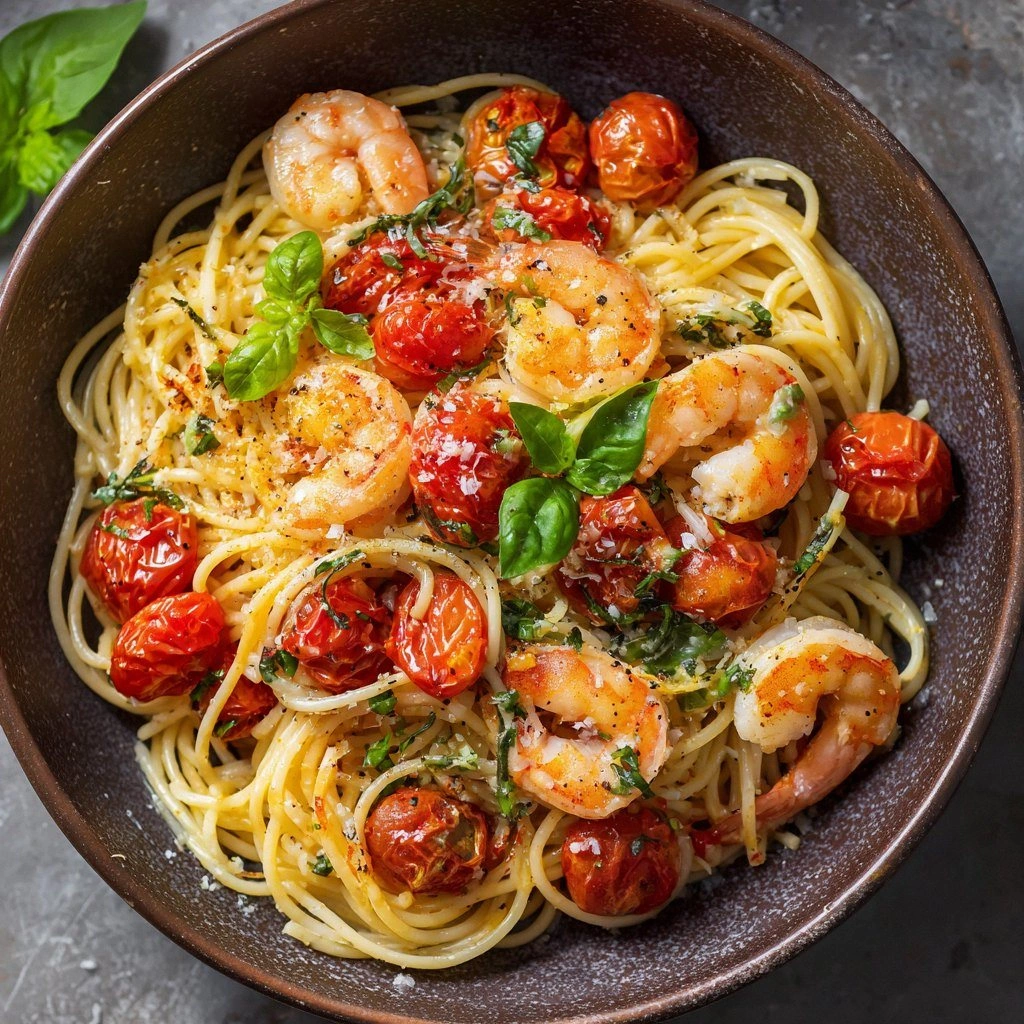
The first thing that hits you is aroma. The roasted tomatoes release a caramelized, almost smoky scent that mingles with garlic and oregano. The shrimp, when seared, gives off a faint briny perfume that’s oddly reminiscent of a seaside breeze. The sauce is thick, almost velvety, and it clings to the pasta like a silky blanket. The crunch of the toasted breadcrumbs on top adds a delightful contrast. Every bite is a symphony—sweet, savory, slightly spicy, and with a buttery finish that lingers long after you’ve finished the last forkful.
What makes this version stand out is not just the combination of ingredients, but the way each element is treated. I’ve roasted the tomatoes at a high heat to bring out their natural sugars, then blended them into a sauce that’s both thick and airy. The shrimp is cooked to just the right tenderness, and the whole‑grain spaghetti gives a nutty undertone that balances the acidity. It’s a dish that feels indulgent without being heavy, and it’s packed with protein to keep you satisfied. I dare you to taste this and not go back for seconds. It’s hands down the best version you’ll ever make at home.
And here’s the kicker: I’m going to share a technique you won’t find in most recipes—adding a splash of lemon zest at the very end. It brightens the entire dish, cuts the richness, and gives it a fresh, almost citrusy pop that makes your palate dance. Picture yourself pulling this out of the oven, the whole kitchen smelling incredible, and the first bite delivering a burst of flavor that leaves you wanting more. Let me walk you through every single step—by the end, you’ll wonder how you ever made it any other way.
What Makes This Version Stand Out
- Roasted Sweetness: By roasting the tomatoes, I amplify their natural sugars, turning them into a luscious, caramelized base that’s both sweet and savory. The result is a sauce that’s thick, velvety, and full of depth.
- Protein Punch: The shrimp isn’t just a garnish; it’s a protein powerhouse that pairs perfectly with whole‑grain spaghetti, giving the dish a satisfying bite that keeps you full longer.
- Texture Contrast: Toasted breadcrumbs add a crunch that plays against the soft pasta and tender shrimp, creating a delightful mouthfeel that keeps every bite interesting.
- Balanced Acidity: The tomatoes bring acidity, but the olive oil and lemon zest balance it out, preventing the sauce from feeling too sharp.
- Minimalist Prep: With just a few ingredients and a straightforward method, this dish is quick to assemble, making it perfect for busy weeknights without sacrificing flavor.
- Make‑Ahead Friendly: The sauce can be prepped a day in advance, and the pasta can be cooked fresh when you’re ready to serve, ensuring you always have a hot, satisfying meal.
- Versatile Base: Swap the shrimp for chicken, tofu, or even a plant‑based protein and you’ll have a whole new dish that still feels like the same comforting classic.
- Health‑Conscious: Whole‑grain pasta, fresh tomatoes, and lean shrimp keep the dish light yet filling, with a balanced macro profile that’s great for both muscle building and weight management.
Alright, let's break down exactly what goes into this masterpiece…
Inside the Ingredient List
The Flavor Base
Fresh tomatoes are the heart of this dish. I choose vine‑grown, slightly underripe tomatoes because they hold their shape when roasted and release a sweet, smoky flavor. The olive oil isn’t just a cooking medium; it carries the tomato’s acidity and adds a silky mouthfeel. Garlic, minced finely, provides a pungent kick that balances the sweetness. If you’re in a pinch, a dash of red pepper flakes introduces a subtle heat that lingers without overwhelming.
The Texture Crew
Whole‑grain spaghetti offers a chewy, nutty bite that contrasts with the tender shrimp. It also adds fiber, making the dish feel hearty without being heavy. The shrimp are the protein star—fresh, pink, and firm. I season them lightly with salt, pepper, and a pinch of paprika before searing to lock in moisture and flavor. Breadcrumbs, toasted in olive oil, provide a crunchy top layer that snaps when you bite into it, offering a satisfying textural shift.
The Unexpected Star
Lemon zest is the secret ingredient that elevates this dish. A few grinds of zest brightens the sauce, cuts through the richness, and adds a bright, citrusy note that lingers on the palate. If you’re vegan, a splash of nutritional yeast can mimic that sharpness while adding a nutty flavor. Basil, chopped fresh, adds an herbal freshness that lifts the entire dish. The key is to add it at the very end to preserve its bright aroma.
The Final Flourish
Parmesan cheese, shaved or grated, is sprinkled on top before serving. It melts slightly into the hot sauce, creating a creamy layer that ties everything together. A drizzle of extra‑virgin olive oil adds a glossy finish, while a pinch of sea salt and freshly ground black pepper finish the seasoning. Together, these elements create a dish that’s both comforting and sophisticated.
Everything's prepped? Good. Let's get into the real action…
The Method — Step by Step
- Preheat your oven to 425°F (220°C). Slice the tomatoes in half, drizzle with olive oil, and season with salt and pepper. Spread them on a parchment‑lined baking sheet, cut side up. Roast for 25 minutes or until the edges are blistered and caramelized. The goal is to achieve a deep, almost caramelized flavor without drying them out.
- While the tomatoes roast, bring a large pot of salted water to a boil. Add the whole‑grain spaghetti and cook until al dente, about 10 minutes. Reserve a cup of pasta water, then drain and set aside. The pasta should still hold a slight bite, providing a firm base for the sauce.
- Heat a large skillet over medium heat. Add a splash of olive oil, then the minced garlic and red pepper flakes. Sauté for 30 seconds until fragrant, being careful not to burn the garlic. The aroma should be intoxicating, signaling that the base is ready.
- Add the roasted tomatoes to the skillet. Break them up with a spoon, then let them simmer for 5 minutes to release their juices. Stir in a splash of pasta water to thin the sauce slightly. The sauce should be thick but pourable, with a glossy sheen.
- Season the shrimp with salt, pepper, and paprika. In a separate pan, sear the shrimp for 2 minutes on each side until they’re pink and slightly caramelized. Remove them from the heat and set aside. This step ensures the shrimp remains juicy and flavorful.
- Return the skillet to low heat, add the cooked spaghetti, and toss to coat in the sauce. If the sauce seems too thick, add a bit more reserved pasta water until you reach the desired consistency. The pasta should be coated like a silk robe, but not drenched.
- Add the seared shrimp to the skillet, then sprinkle the toasted breadcrumbs evenly on top. Gently stir to distribute the crumbs, but avoid crushing them. The breadcrumbs should remain slightly crunchy, giving a pleasant snap with each bite.
- Finish with fresh basil, lemon zest, and shaved Parmesan. Toss everything together, then transfer to a serving dish. Drizzle a little extra‑virgin olive oil, sprinkle sea salt, and freshly ground pepper to taste. Plate with a final flourish of basil leaves for a pop of color.
That’s it — you did it. But hold on, I've got a few more tricks that'll take this to another level…
Insider Tricks for Flawless Results
The Temperature Rule Nobody Follows
Many chefs think you can roast tomatoes at any temperature, but the sweet caramelization happens best at a high heat. I use 425°F (220°C) to get that blistered, almost charred edge without drying them out. If you roast at a lower temperature, the tomatoes will steam instead of caramelize, leading to a watery sauce.
Why Your Nose Knows Best
Before you even taste the sauce, give it a sniff. A properly roasted tomato sauce should emit a sweet, almost nutty aroma that’s reminiscent of a sun‑baked garden. If it smells more like raw garlic, you haven’t roasted the tomatoes long enough.
The 5‑Minute Rest That Changes Everything
After you’ve tossed the pasta in the sauce, let it rest for 5 minutes off the heat. This allows the pasta to absorb the sauce fully, creating a richer flavor profile. I’ve seen dishes that are too hot at the plate and end up drying out the pasta; the rest step fixes that.
Use Fresh Basil Over Dried
Fresh basil brings a bright, sweet flavor that dried basil can’t match. Add it at the end to preserve its aroma. If you’re out of basil, a pinch of dried oregano can work, but the dish will feel less vibrant.
Toast Breadcrumbs in Olive Oil, Not Butter
Olive oil gives the breadcrumbs a subtle Mediterranean flavor and keeps them from becoming greasy. Butter can overpower the dish’s delicate balance, especially when paired with shrimp.
Keep the Pasta Al Dente
Al dente pasta offers a slight chew that contrasts with the tender shrimp and creamy sauce. Overcooked pasta can become mushy and lose the dish’s satisfying texture.
Creative Twists and Variations
This recipe is a playground. Here are some of my favorite ways to switch things up:
Mediterranean Twist
Swap shrimp for grilled chicken thighs. Add kalamata olives and capers for a briny punch. Finish with a drizzle of tzatziki for a cooling contrast.
Spicy Kick
Increase the red pepper flakes to a tablespoon. Add a splash of sriracha after the pasta is tossed. The heat will dance with the sweetness of the tomatoes.
Vegetarian Delight
Replace shrimp with sautéed tofu cubes. Add a handful of spinach or arugula for green freshness. The tofu will absorb the sauce, creating a protein‑rich vegetarian dish.
Low‑Carb Version
Swap whole‑grain spaghetti for zucchini noodles or shirataki noodles. Keep the sauce and shrimp the same. The dish becomes a light, keto‑friendly option.
Breakfast Boost
Serve the sauce over scrambled eggs instead of pasta. Add a sprinkle of feta cheese for a Mediterranean breakfast. This gives you protein and flavor for a hearty start.
Gourmet Upgrade
Finish with a drizzle of truffle oil and a scattering of microgreens. The truffle oil adds an earthy depth that elevates the dish to restaurant‑level luxury.
Storing and Bringing It Back to Life
Fridge Storage
Store the sauce (without pasta) in an airtight container for up to 3 days. Reheat gently on the stove, adding a splash of water or broth to loosen it. The pasta should be cooked fresh when you’re ready to serve.
Freezer Friendly
Freeze the sauce in a freezer‑safe container for up to 2 months. Thaw overnight in the refrigerator, then reheat on the stove with a splash of water. Add fresh shrimp or another protein before serving.
Best Reheating Method
When reheating, use low heat and stir frequently. Add a small amount of olive oil or a splash of water to keep the sauce from drying out. The key is to bring it back to a gentle simmer, not a boil.