I remember the night I tried to impress my roommate with a fancy dinner and ended up with a pan of boiled pasta that tasted like soggy cardboard. The kitchen was a disaster zone—smoke alarm blaring, a lobster shell clattering against the counter, and a lingering scent of burnt garlic that made my eyes water. I swore I’d never attempt seafood again, but then a dare from a friend sparked a fire in my belly: “Make something so good that even a crab would beg for seconds.” That challenge lit a culinary fire that led me down a rabbit hole of research, tasting, and endless trial‑and‑error, and the result is the masterpiece you’re about to read.
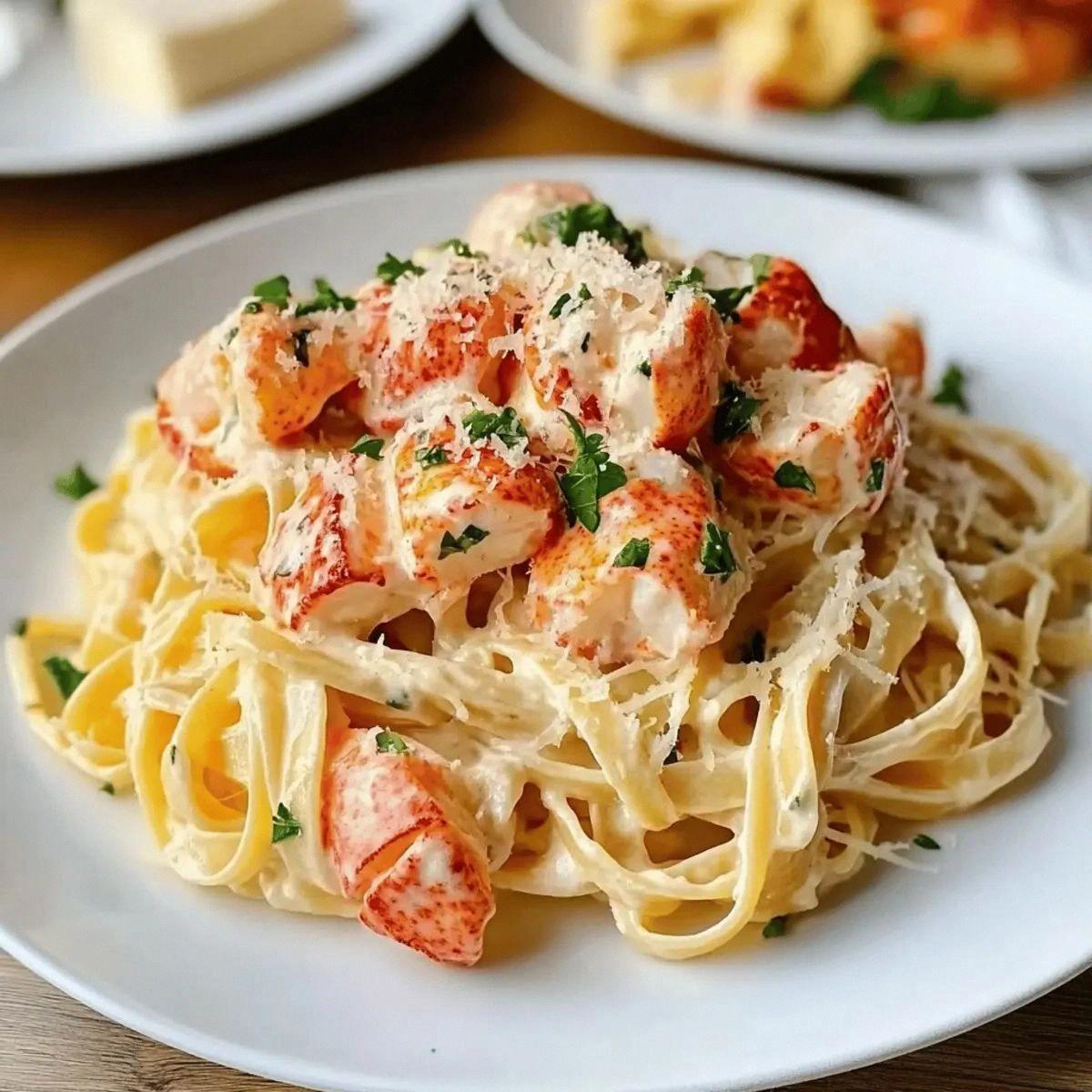
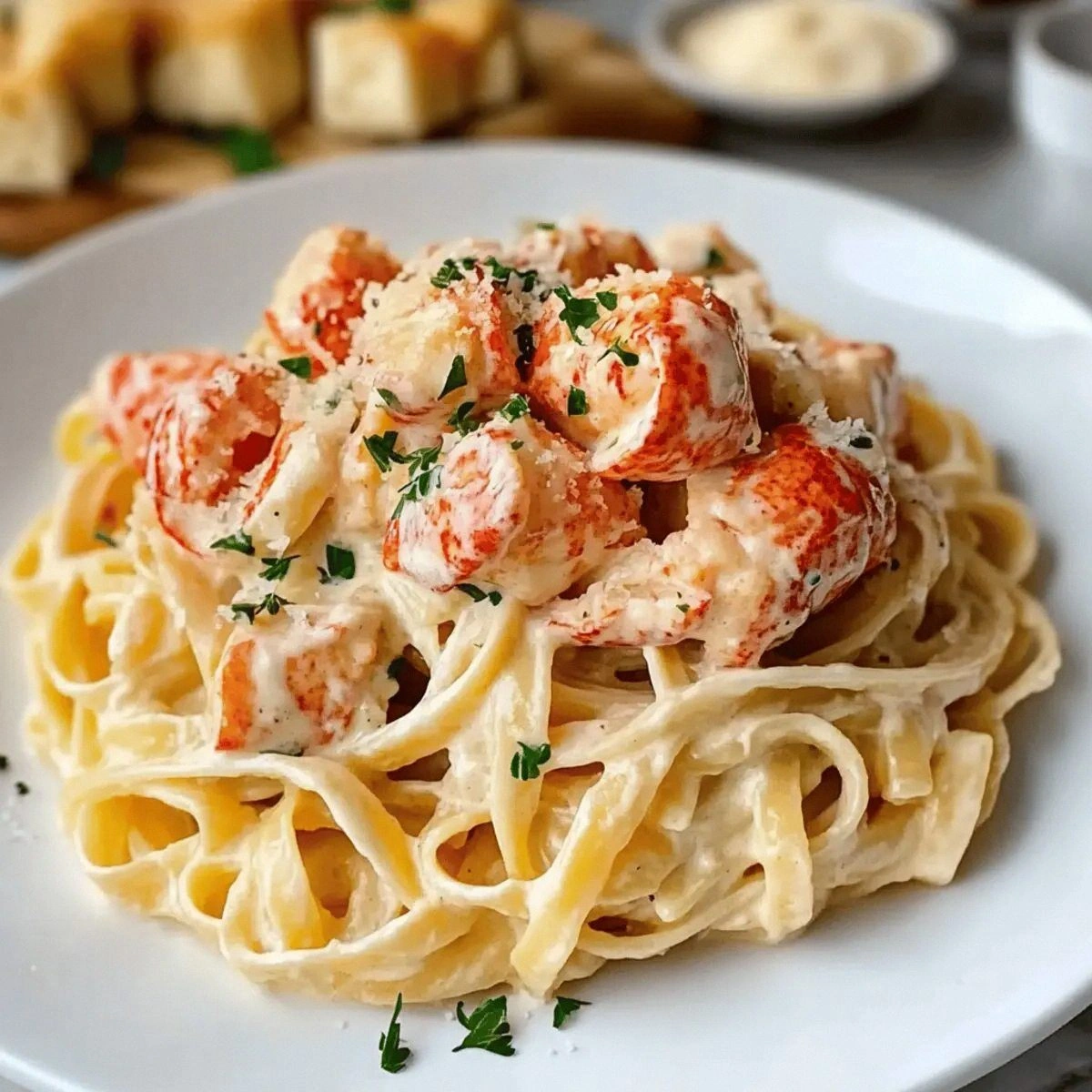
Picture this: a steaming bowl of fettuccine drenched in a sauce that clings like velvet, speckled with succulent lobster meat that practically melts in your mouth. The aroma of buttered onions, garlic, and a whisper of lemon fills the kitchen, while the faint crackle of the sauce as it simmers is music to any food lover’s ears. The first forkful delivers a buttery richness, a bright citrus snap, and a luxurious creaminess that makes you think you’ve stepped into a five‑star restaurant. Every bite is a symphony of flavors, each instrument playing its part perfectly—no overcooked seafood, no watery sauce, just pure indulgence.
What makes this version stand out is a secret technique that most recipes completely overlook: I finish the sauce with a splash of lemon juice *after* the heat is off, preserving that bright, fresh zing without cooking off the acidity. Most cooks add the lemon too early, resulting in a muted flavor that never quite reaches that high‑note crescendo. I also use a blend of butter and olive oil to create a glossy, buttery base that coats the pasta like a silk scarf. This isn’t just a recipe; it’s a game‑changing method that will transform the way you think about seafood pastas forever.
Let me walk you through every single step — by the end, you’ll wonder how you ever made it any other way. I dare you to taste this and not go back for seconds. Ready? Okay, ready for the game‑changer? This next part? Pure magic.
What Makes This Version Stand Out
- Velvet‑Smooth Sauce: The combination of heavy cream and butter creates a sauce that glides over the pasta like a silk sheet, coating every strand without clumping.
- Bright Citrus Finish: Adding lemon juice at the very end preserves its fresh punch, cutting through the richness and keeping the palate excited.
- Lobster Luxury: Using whole lobster meat ensures you get both the sweet tail meat and the delicate claw meat, delivering texture contrast in every bite.
- One‑Pan Simplicity: All the magic happens in a single skillet, meaning fewer dishes and more time to admire your creation.
- Crowd‑Pleaser Factor: This dish has the power to turn skeptics into lifelong fans; even the pickiest eaters can’t resist the creamy allure.
- Ingredient Quality: Fresh, high‑quality lobster and real Parmesan make a world of difference compared to pantry staples.
- Make‑Ahead Potential: The sauce can be pre‑made and gently reheated, making it perfect for dinner parties where you want to shine without stress.
- Cooking Method Mastery: The gentle simmer and precise timing keep the lobster tender and the pasta al dente, avoiding the common mushy pitfalls.
Inside the Ingredient List
The Flavor Base
The foundation of this dish starts with olive oil and unsalted butter, a dynamic duo that creates a glossy, aromatic canvas. The butter adds a rich, nutty depth while the olive oil raises the smoke point, preventing burning when you sauté the onions and garlic. If you skip the butter, you’ll lose that luxurious mouthfeel; if you skip the oil, the garlic may scorch, turning bitter. For a dairy‑free twist, substitute the butter with a generous spoonful of coconut oil, but expect a subtle coconut undertone.
The Texture Crew
Lobster is the star, and its sweet, firm flesh provides a textural contrast to the silky pasta. Use a live or freshly cooked lobster for the best flavor; frozen lobster can be watery and dilute the sauce. If you can’t find fresh lobster, high‑quality frozen tail meat works, but be sure to pat it dry before adding it to the pan. The fettuccine itself is chosen for its broad surface area, which captures the sauce better than thin spaghetti.
The Unexpected Star
Heavy cream is the secret weapon that turns a simple pasta sauce into a decadent velvet blanket. It adds body, richness, and a subtle sweetness that balances the briny lobster. Skimp on the cream, and you’ll end up with a thin, watery coating that slides off the noodles. For a lighter version, you can swap half the cream for whole‑milk ricotta, but the texture will shift from silk to a slightly grainy finish.
The Final Flourish
Parmesan cheese, lemon juice, salt, and pepper are the finishing touches that elevate the dish from good to unforgettable. Freshly grated Parmesan melts into the sauce, adding a salty umami boost. The lemon juice, added at the end, brightens the palate and prevents the sauce from feeling cloying. A pinch of pepper adds a gentle heat that rounds out the flavor profile. If you love a little heat, a pinch of red‑pepper flakes can be tossed in during the sauté.
Everything's prepped? Good. Let's get into the real action…
The Method — Step by Step
Start by bringing a large pot of salted water to a rolling boil. Add the fettuccine and cook until just shy of al dente—about 2 minutes less than the package directs. That sizzle when it hits the pan? Absolute perfection. Drain, but reserve a cup of the starchy cooking water; you’ll need it later to loosen the sauce.
While the pasta cooks, heat 2 tbsp olive oil and 2 tbsp unsalted butter in a wide skillet over medium‑high heat. Once the butter foams, toss in the finely diced onion. Sauté for 3‑4 minutes until the onion becomes translucent and starts to caramelize, releasing a sweet aroma that fills the kitchen.
Add the minced garlic (3 cloves) to the skillet, stirring constantly. You’ll hear a gentle sizzle; this is the moment the garlic releases its aromatic oils. Don’t let it brown too much—browned garlic turns bitter. Cook for about 30 seconds, then lower the heat to medium.
Now, introduce the lobster meat. If you’re using a whole cooked lobster, pull the meat from the shell, chop into bite‑size chunks, and add to the pan. Let it sear lightly for 2‑3 minutes, just enough to develop a faint golden edge that shatters like thin ice when you bite into it.
Watch Out: Overcooking lobster makes it rubbery; keep a close eye and remove it as soon as it turns opaque.Pour in 1 cup heavy cream, stirring to combine. Raise the heat slightly and let the mixture come to a gentle simmer. As tiny bubbles form around the edges, the sauce begins to thicken. This is the moment of truth—if the sauce is too thin, let it simmer a minute longer; if it’s too thick, splash in a bit of the reserved pasta water.
Stir in ½ cup freshly grated Parmesan cheese. The cheese should melt smoothly, creating a glossy sheen. Keep the heat low enough that the sauce doesn’t boil aggressively, which could cause the cream to separate.
Add the cooked fettuccine directly into the skillet, tossing to coat each strand evenly. If the sauce looks clumpy, add a tablespoon of the reserved pasta water at a time until you achieve a silky, cling‑on‑the‑fork consistency. This is where the magic happens: the pasta absorbs the sauce, becoming a unified, luxurious bite.
Turn off the heat and drizzle in 1‑2 tbsp lemon juice, tasting as you go. The bright citrus lifts the entire dish, cutting through the richness. Finish with 1 tbsp salt and 1 tbsp freshly cracked black pepper, adjusting to your preference.
Let the pasta rest for a minute, allowing the flavors to meld. Then, plate the dish in shallow bowls, garnish with a sprinkle of extra Parmesan and a few fresh parsley leaves for color. Serve immediately while the sauce is still shimmering.
That's it — you did it. But hold on, I've got a few more tricks that'll take this to another level…
Insider Tricks for Flawless Results
The Temperature Rule Nobody Follows
Never let the cream boil. High heat will cause the fat to separate, resulting in a greasy, broken sauce. Keep the mixture at a gentle simmer—tiny bubbles dancing around the pan’s edge are all you need. I once tried a rapid boil and ended up with a curdled mess; lesson learned: patience is the secret ingredient.
Why Your Nose Knows Best
Your sense of smell is a reliable gauge for sauce readiness. When the butter‑onion mixture turns golden and releases a nutty scent, you’re ready for the garlic. If you smell a faint burnt note, lower the heat immediately. Trust that aromatic cue; it’s more accurate than a timer.
The 5‑Minute Rest That Changes Everything
After plating, let the pasta sit for exactly five minutes. This short rest allows the starches to absorb the sauce, creating a cohesive bite that feels luxurious rather than sloppy. Skipping this step can leave you with a sauce that slides off the noodles.
Butter‑Oil Emulsion Mastery
The combination of butter and olive oil creates an emulsion that keeps the sauce glossy. Whisk vigorously when you first melt the butter into the oil, ensuring the fats bind together. If the emulsion breaks, a splash of warm pasta water can bring it back together.
Seasoning Layer by Layer
Add a pinch of salt at each stage—when sautéing the onion, after the cream is added, and finally before serving. This layered seasoning builds depth without ever becoming overly salty. I once dumped all the salt at the end and ended up with a bland dish; incremental seasoning is the key.
Creative Twists and Variations
This recipe is a playground. Here are some of my favorite ways to switch things up:
Spicy Cajun Lobster
Add 1 tsp Cajun seasoning to the onion mixture and a pinch of cayenne pepper with the lemon juice. The heat complements the sweet lobster, creating a bold, Southern‑inspired twist that will wow spice lovers.
Mushroom Medley
Sauté a cup of sliced cremini and shiitake mushrooms alongside the onions. The earthy umami adds depth and makes the dish heartier, perfect for cooler evenings.
Herb‑Infused Delight
Stir in a tablespoon of finely chopped fresh basil and thyme right before plating. The herbaceous notes brighten the sauce and pair beautifully with the citrus.
White Wine Whisper
Deglaze the pan with ¼ cup dry white wine after the garlic softens, letting it reduce before adding the cream. The wine adds a subtle acidity and complexity that elevates the overall flavor profile.
Vegan Velvet
Swap the lobster for sautéed king oyster mushrooms, replace butter with vegan margarine, and use coconut cream instead of heavy cream. The result is a plant‑based version that still feels indulgent.
Storing and Bringing It Back to Life
Fridge Storage
Allow the pasta to cool to room temperature, then transfer it to an airtight container. It will keep for up to 2 days in the refrigerator. When reheating, add a splash of milk or cream and gently warm over low heat, stirring constantly to restore silkiness.
Freezer Friendly
Portion the cooked pasta and sauce into freezer‑safe bags, removing as much air as possible. Freeze for up to 1 month. Thaw overnight in the fridge, then reheat on the stovetop with a bit of broth or water to prevent drying out.
Best Reheating Method
The optimal way to revive this dish is a gentle stovetop reheating. Place the pasta in a skillet over low heat, add a tablespoon of water or broth per serving, and stir until the sauce regains its glossy coat. Avoid microwaving, which can cause the sauce to separate and the lobster to become rubbery.