I still remember that night when my kitchen turned into a smoke-filled battlefield. I was trying to recreate the fiery, aromatic curry my friend bragged about, but the pot went from simmering to blazing in seconds. The kitchen alarm sounded, the smoke alarm screamed, and the whole apartment smelled like burnt rice. I laughed, wiped my face, and decided that this disaster had to end with a lesson.
That moment became the spark that ignited my obsession with coconut curry chicken soup. The first bite of that accidental batch was a revelation: the creamy coconut milk wrapped the chicken like a silky blanket, while the red curry paste added a depth of heat that danced on the tongue. I could taste the faint citrus from the lemongrass, the subtle sweetness from the roasted red peppers, and the earthy undertones from the star anise. The aroma alone made me feel like I was standing in a bustling Thai market, surrounded by fresh herbs and spices.
What sets this version apart from every other recipe you’ve seen is its meticulous layering of flavors and textures. Each ingredient is chosen not just for its taste but for how it interacts with the others – the coconut milk balances the acidity of lime, the noodles soak up the broth, and the fresh herbs finish it off like a bright, fragrant curtain call. I dare you to taste this and not go back for seconds. I’ve spent countless hours tweaking the proportions until the soup sings in harmony.
There’s a secret ingredient that most people overlook – the roasted red pepper. When you blend it into the broth, it adds a smoky sweetness that elevates the entire dish. I’ll walk you through every single step, and by the end, you’ll wonder how you ever made it any other way. Let’s dive in.
What Makes This Version Stand Out
- Flavor Harmony: Every element from the lemongrass to the lime is carefully balanced, creating a soup that feels both exotic and comforting. The sweet, creamy coconut base is cut by the sharpness of the lime and the subtle heat of the curry paste. The result is a bowl that feels like a warm hug with a kick.
- Texture Contrast: The thin rice noodles glide through the broth while the shredded rotisserie chicken adds a satisfying bite. The roasted red peppers contribute a slight chew, and the fresh herbs provide a crisp finish. Together, they create a multi-sensory experience that keeps you coming back.
- Ingredient Authenticity: We use full-fat coconut milk and red curry paste that have a genuine Thai flavor profile. The star anise is a real star – it adds an aromatic complexity that many commercial versions miss. This authenticity is what makes the soup feel truly international.
- Ease of Preparation: The recipe is designed for the average kitchen. Most of the work is done in a single pot, and the rotisserie chicken saves you the trouble of cooking the protein from scratch. Even if you’re new to curry, this soup feels approachable.
- Make‑Ahead Friendly: The soup can be made a day ahead, and the flavors only deepen. The noodles can be added just before serving to keep them al dente. It’s perfect for meal prep or a quick dinner after a long day.
- Crowd‑Pleaser Factor: Friends who taste this will keep asking for the recipe. The combination of creamy, spicy, and herbaceous flavors is a winning ticket for any dinner party. Even the most skeptical palate will be won over.
- Versatility: Swap the rice noodles for soba or quinoa, or add extra veggies like bell peppers or spinach. The soup can easily adapt to your dietary preferences or what you have on hand.
Inside the Ingredient List
The Flavor Base
The foundation of this soup is a symphony of aromatics that start by sautéing lemongrass, ginger, garlic, and shallots. The lemongrass paste brings a bright citrus note that cuts through the richness of coconut milk. Ginger adds a warm, peppery bite that elevates the entire broth. Together, these ingredients create a fragrant base that feels like a tropical breeze.
The red curry paste is the heart of the dish, infusing the soup with a complex heat that’s not overpowering. It contains chilies, garlic, galangal, and other spices that give the curry its signature depth. When you sauté the paste, it releases essential oils that deepen the flavor. If you can’t find red curry paste, a blend of paprika, cayenne, and garlic powder can work as a makeshift version.
The star anise is a subtle yet powerful addition. It imparts a licorice-like aroma that balances the heat and sweetness. One star anise is enough for the entire pot, so keep it in mind when you’re measuring the spices. If you prefer a milder flavor, you can remove it before serving.
The Texture Crew
Thin rice noodles bring a delicate chew that contrasts beautifully with the silky broth. They absorb the liquid without becoming mushy if added at the right time. To avoid clumping, rinse the noodles in cold water before adding them to the pot. The noodles also help thicken the soup slightly, giving it body without heaviness.
The rotisserie chicken provides protein and a smoky flavor that sets this soup apart from plant‑based versions. Shred the chicken into bite‑size pieces, and you’ll get a tender, flavorful texture. The chicken’s natural juices also add richness to the broth, eliminating the need for extra fats. If you’re vegetarian, substitute with tofu or tempeh for a similar texture.
The roasted red peppers add a subtle sweetness and a hint of smokiness. They also contribute a slight chew that prevents the soup from feeling flat. If you can’t find jarred roasted peppers, roast fresh bell peppers yourself for a fresher taste. The peppers also help thicken the broth, giving it a velvety consistency.
The Unexpected Star
The fish sauce may seem like an odd addition to a soup, but it’s a staple in Southeast Asian cuisine. It adds umami depth and balances the sweetness of coconut milk. A tablespoon is enough to bring that savory note without overpowering the other flavors. If you’re vegan, a splash of soy sauce or a dash of nutritional yeast can mimic the umami.
The lime juice is the final brightener that cuts through the richness. It adds a zesty tang that wakes up the palate and brings the soup to life. Freshly squeezed lime juice is preferred over bottled; the oils in the zest add a subtle citrus aroma. If you’re out of lime, a splash of lemon or a squeeze of yuzu can serve as a suitable substitute.
The Final Flourish
Fresh basil and cilantro are tossed in at the very end, just before serving. They provide a burst of herbal freshness that contrasts the warm, spiced broth. The basil adds a sweet, peppery note, while the cilantro offers a citrusy, slightly bitter finish. This final touch transforms the soup from comforting to vibrant.
Seasoning with salt and cracked black pepper is crucial. The salt elevates every flavor, while the pepper adds a subtle heat that lingers. Taste the broth before adding more salt; the coconut milk already brings a slight sweetness. Adjust the seasoning to your preference, and you’ll have a perfectly balanced bowl.
Everything’s prepped? Good. Let’s get into the real action.
The Method — Step by Step
- Step 1: Sauté the Aromatics Heat 1 ½ tablespoons of olive oil in a large pot over medium heat. Add the lemongrass paste, ginger paste, minced garlic, and diced shallots. Cook for 3–4 minutes until the aromatics become fragrant and the shallots turn translucent. The scent should be unmistakably citrusy and warm, signaling that the base is ready.
- Step 2: Add the Curry Paste Stir in the 3 tablespoons of red curry paste, allowing it to mingle with the aromatics. Cook for 1–2 minutes until the paste releases its oils and turns a deep amber color. This is the moment of truth; the broth should smell toasty, and the paste should be fragrant. Don’t rush this step—patience yields depth.
- Step 3: Incorporate the Roasted Peppers Pour in the 10 ounces of roasted red peppers, breaking them into chunks. The peppers should coat the base, adding a subtle sweetness and smokiness. Let everything simmer for 5 minutes, allowing the flavors to meld. If you’d like a smoother texture, blend the peppers into a puree before adding.
- Step 4: Add Liquids and Seasonings Pour in the 3 cups of chicken stock and the 13.5-ounce can of full‑fat coconut milk. Stir in the star anise, reduced‑sodium soy sauce, fish sauce, brown sugar, chili powder, ground cloves, and red pepper flakes. Bring the mixture to a gentle boil, then reduce to a simmer. The broth should look glossy and the spices should be evenly distributed.
- Step 5: Simmer and Infuse Allow the soup to simmer for 15 minutes, letting the flavors marry. The star anise should release its aroma, and the coconut milk should thicken slightly. Watch out: if you let it simmer too long, the coconut milk can separate. Keep the heat low and stir occasionally.
- Step 6: Add the Chicken and Noodles Fold in the shredded rotisserie chicken, ensuring it’s fully heated through. Add the 8 ounces of rice noodles and let the soup cook for an additional 3–4 minutes until the noodles are al dente. The noodles should feel firm to the bite, not mushy. If you prefer a thicker broth, let it simmer a bit longer.
- Step 7: Finish with Lime and Herbs Remove the pot from heat and stir in 2 tablespoons of freshly squeezed lime juice. Add ¼ cup of chopped basil and ¼ cup of chopped cilantro. The herbs should wilt slightly but retain their bright color. The lime juice should cut through the richness, leaving a fresh finish.
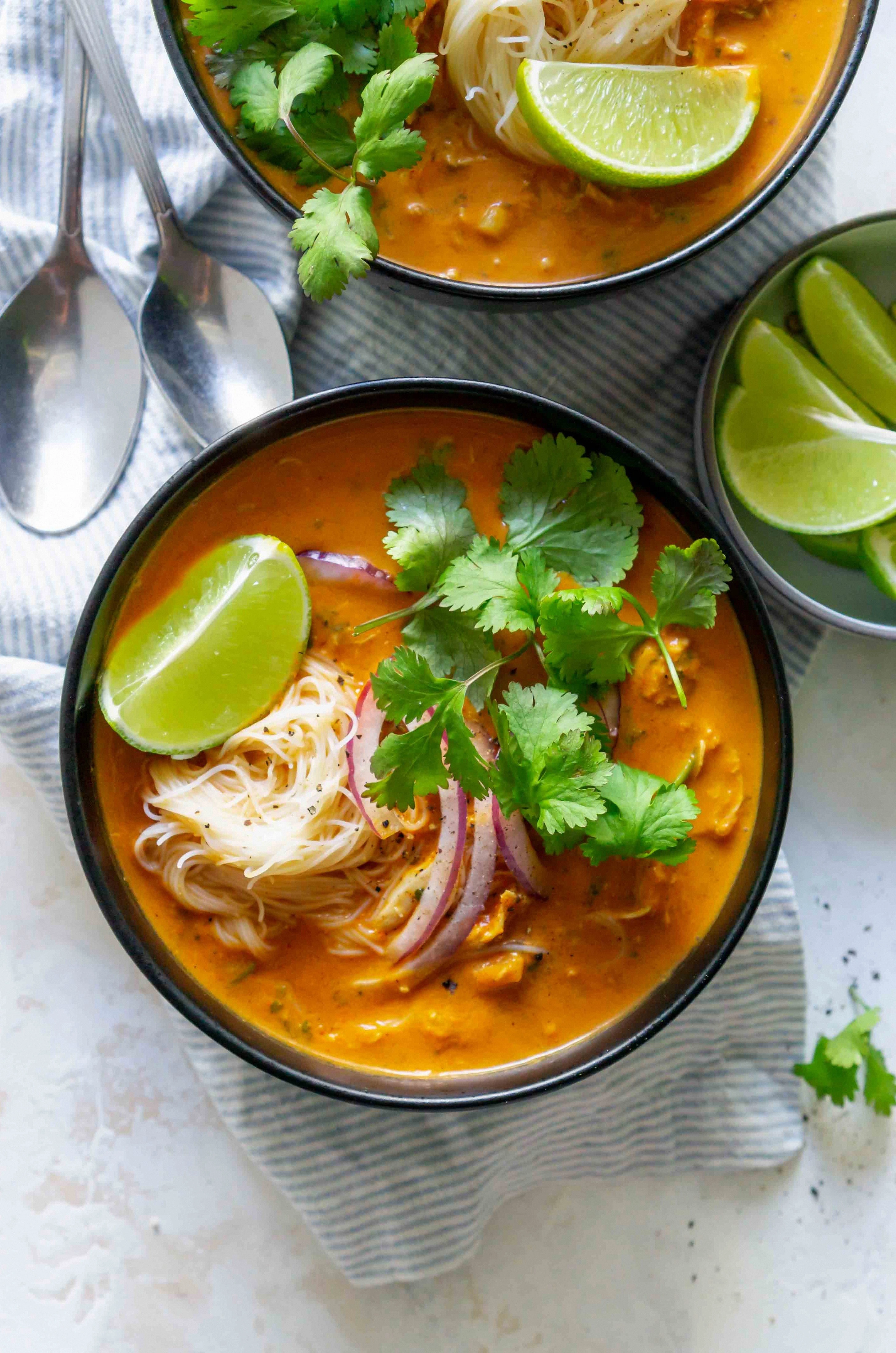
- Step 8: Serve and Garnish Ladle the soup into bowls and garnish with additional basil, cilantro, or a squeeze of lime if desired. A drizzle of coconut milk on top adds a silky finish. The final dish should look vibrant, with the green herbs popping against the golden broth.
- Step 9: Enjoy Take a moment to inhale the aromatic steam before you take your first spoonful. The first bite should be creamy, spicy, and herbaceous, with a satisfying noodle texture. You’ll find yourself reaching for seconds, and I dare you not to. This is the moment when the kitchen feels like a home, and the soup feels like a hug.
That’s it—you did it. But hold on, I’ve got a few more tricks that will elevate this soup to another level.
Insider Tricks for Flawless Results
The Temperature Rule Nobody Follows
Cooking the broth at a gentle simmer, rather than a rolling boil, preserves the delicate flavors of the coconut milk and spices. A low heat allows the aromatics to release their oils slowly, creating depth. I’ve found that a steady simmer for 15 minutes is the sweet spot. If you’re in a hurry, you can bring it to a boil first, then reduce, but the flavor will be slightly less nuanced.
Why Your Nose Knows Best
Smell is a powerful indicator of doneness. When the broth smells toasty and the spices have fully released their aromas, the soup is ready to move to the next step. I used to wait for the broth to bubble, but now I rely on the scent. It saves time and guarantees a flavorful result.
The 5-Minute Rest That Changes Everything
After removing the soup from heat, let it rest for 5 minutes before serving. This brief pause allows the flavors to marry and the noodles to finish cooking in their own steam. The rest also lets the coconut milk settle, preventing separation. I always keep a spoon handy to stir gently during this period.
The Secret Salt Trick
Season gradually. Add a pinch of salt at the beginning, then taste after the soup has simmered. Add more in small increments until you reach the desired balance. Over-salting can mask the subtle sweetness of the coconut milk.
The Fresh Herb Finale
Add herbs right before serving to preserve their bright color and aroma. If you like a stronger herb presence, sprinkle extra basil or cilantro on top. This final touch turns a good soup into a memorable experience.
Creative Twists and Variations
Spicy Thai Peanut Noodle Soup
Swap the rice noodles for soba and stir in a tablespoon of creamy peanut butter during step 5. Add a dash of sriracha for extra heat. The peanut butter brings a nutty richness that complements the coconut milk. This version is perfect for a protein‑packed lunch.
Vegan Coconut Curry Soup
Replace the rotisserie chicken with cubed tofu or tempeh. Sauté the protein until golden before adding it to the soup. Use a vegan fish sauce alternative like tamari. The result is a hearty, plant‑based bowl that still delivers on flavor.
Mediterranean Twist
Add diced tomatoes and a handful of spinach in step 5. Replace the red curry paste with harissa for a North African flare. The tomatoes add acidity, while the spinach provides a fresh green bite. This variation feels like a cross‑continental adventure.
Low‑Carb Version
Omit the rice noodles and add chopped zucchini or cauliflower rice instead. The veggies absorb the broth and keep the dish low in carbs. Keep the rest of the ingredients unchanged for a comforting, keto‑friendly soup.
Breakfast Bowl
Add a poached egg to the soup just before serving. The runny yolk creates a velvety sauce that pairs beautifully with the coconut broth. This makes for a filling, protein‑rich breakfast that feels like a brunch treat.
Miso Coconut Curry Soup
Stir in a tablespoon of white miso during step 4. The miso adds umami depth and a subtle sweetness. Replace the fish sauce with a splash of soy sauce to balance the flavors. This twist gives the soup an Asian‑fusion vibe.
Spicy Coconut Curry with Shrimp
Swap the chicken for shrimp and cook them in step 6. Shrimp cook quickly, so add them just before the noodles finish. The result is a lighter, seafood‑centric version that still carries the bold coconut curry flavor.
Herbal Infusion
Add a handful of fresh mint during step 7. The mint provides a cooling contrast to the heat from the curry paste. The green leaves add a pop of color and a fresh finish. This variation is ideal for hot summer evenings.
Coconut Curry with Sweet Potato
Dice a small sweet potato and sauté it with the aromatics in step 1. The sweet potato adds natural sweetness and a creamy texture. Keep the rest of the recipe unchanged, and you’ll have a comforting, autumnal soup.
Storing and Bringing It Back to Life
Fridge Storage
Cool the soup completely before transferring it to an airtight container. Store in the refrigerator for up to 3 days. Reheat gently on the stove, adding a splash of water if the broth has thickened.
Freezer Friendly
Freeze in portioned containers for up to 2 months. Thaw overnight in the refrigerator before reheating. The rice noodles may become slightly soft, so add fresh noodles when you reheat if desired.
Best Reheating Method
Reheat over low heat, stirring occasionally. If the soup has thickened, add a tablespoon of coconut milk or water to reach the desired consistency. Bring to a gentle simmer, but avoid a rolling boil to preserve the coconut milk’s texture.