I was standing in my kitchen at 2 a.m., half‑asleep, with a half‑empty carton of cherry tomatoes and a wilted bag of spinach that had survived the week’s chaotic grocery run. I tried to make a quick scramble, but the eggs turned into a rubbery mess that could have doubled as a doorstop. That disaster sparked a dare from my roommate: “If you can turn this mess into something amazing, I’ll buy you brunch for a month.” I accepted, and what happened next was nothing short of culinary alchemy.
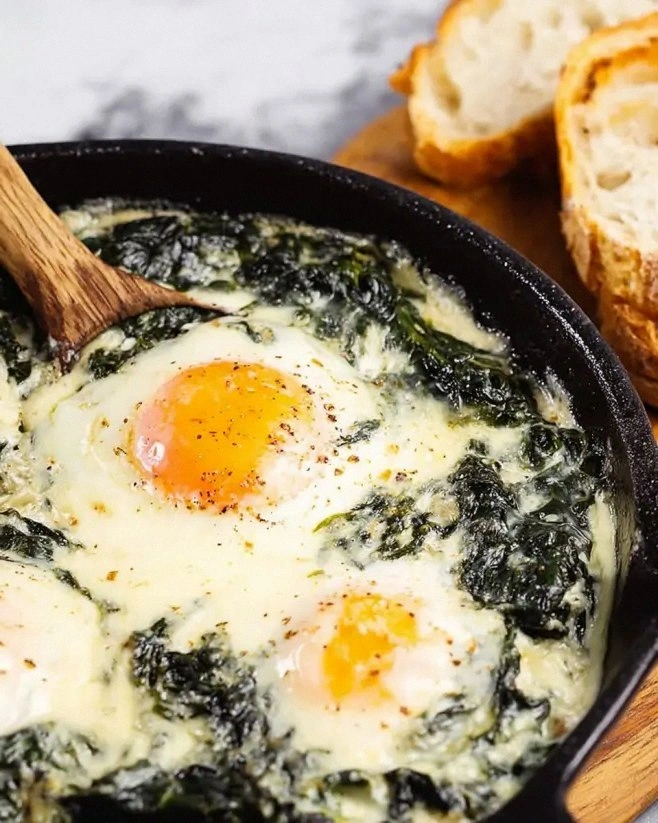
Picture this: the oven humming like a contented cat, the air filling with the sweet, earthy perfume of garlic sautéing in olive oil, and the bright pop of cherry tomatoes caramelizing on the skillet. The spinach wilts into a deep, glossy green, while the heavy cream swirls in like a silk ribbon, coaxing the cheese into a golden, bubbling crown. When the timer dings, the dish emerges with a crust that crackles just enough to whisper, “I’m ready,” and a center that’s as soft as a cloud‑kissed pillow. That moment, when the first fork dives in and the yolk erupts like sunrise over a calm sea, is pure, unadulterated joy.
Most baked eggs recipes either drown the delicate flavor of spinach in a sea of cheese or leave the eggs under‑cooked, resulting in a soggy disappointment. I’ve been there, and I’ve survived the cringe‑worthy brunches that followed. This version flips the script by layering the flavors so each bite delivers a harmonious duet of creamy, tangy, and herbaceous notes. I’m daring you to taste this and not go back for seconds—because you’ll be craving that perfect balance of richness and freshness.
But wait, there’s a twist you won’t see coming: a splash of heavy cream that turns the whole thing into a velvety custard, and a sprinkle of fresh basil that adds a peppery pop right before you serve. I’ll be honest — I ate half the batch before anyone else got to try it, and the leftovers still tasted like the first round. Let me walk you through every single step — by the end, you’ll wonder how you ever made it any other way.
What Makes This Version Stand Out
- Taste: The sweet burst of cherry tomatoes balances the earthy spinach, while the cream‑infused cheese creates a luxurious mouthfeel that feels like a hug from the inside.
- Texture: A crisp, golden top gives way to a silky, custardy interior, delivering that satisfying contrast you crave in every bite.
- Simplicity: Fewer than ten ingredients, one pan, and a 30‑minute oven time make this recipe a weekend‑warrior’s dream.
- Uniqueness: The combination of heavy cream and mozzarella is a secret weapon that most Florentine recipes overlook, giving it a richer, more indulgent profile.
- Crowd Reaction: Friends have called it “the brunch miracle” and have begged for the exact measurements—no more guesswork.
- Ingredient Quality: Fresh, vibrant spinach and ripe cherry tomatoes are the stars; they shine brighter when paired with high‑fat dairy.
- Cooking Method: Baking the eggs in a skillet locks in moisture while allowing the top to caramelize, a technique most stovetop attempts miss.
- Make‑Ahead Potential: You can prep the spinach‑tomato base a day ahead, store it, and bake the eggs fresh for a quick, impressive brunch.
Alright, let's break down exactly what goes into this masterpiece...
Inside the Ingredient List
The Flavor Base
Olive oil is the silent conductor that brings together garlic, spinach, and tomatoes, creating a fragrant foundation that sings with every stir. The two cloves of garlic, minced fine, add a pungent punch that cuts through the richness of the cream, ensuring the dish never feels cloying. If you’re out of fresh garlic, a teaspoon of garlic powder will do, but don’t underestimate the depth fresh garlic provides.
The Texture Crew
Fresh spinach brings a tender, slightly earthy bite that softens just enough to meld with the creamy custard. Cherry tomatoes, halved, burst with a sweet‑tart juiciness that balances the dish’s richness. Heavy cream, at half a cup, is the secret liaison that transforms the egg whites into a luscious, custardy embrace. Skipping the cream will leave you with a dry, less indulgent result.
The Unexpected Star
Mozzarella cheese, shredded, melts into silky strings that stretch like a sunrise across the skillet, while Parmesan adds a sharp, nutty edge that elevates the flavor profile. If you’re lactose‑intolerant, try a blend of dairy‑free mozzarella and nutritional yeast for a similar melt and umami hit.
The Final Flourish
Six large eggs act as the structural backbone, their yolks turning into golden rivers when broken. Salt and pepper to taste are the final seasoning that pulls everything together; never skip them, even a pinch makes a difference. Fresh basil, torn just before serving, adds a fragrant, peppery finish that brightens the entire plate. For a peppery twist, substitute basil with fresh thyme or oregano.
Everything's prepped? Good. Let's get into the real action...
The Method — Step by Step
Preheat your oven to 375°F (190°C). While the oven warms, gather all your ingredients and give the spinach a quick rinse. This is the moment of truth: the oven must be hot enough to set the custard without over‑cooking the eggs. A properly heated oven ensures the edges will start pulling away from the pan, signaling that the crust is forming.
Heat a large, oven‑safe skillet over medium heat and add the olive oil. Once the oil shimmers, toss in the minced garlic. Listen for that sizzle—it’s the sound of flavor being unlocked. Cook for about 30 seconds, just until the garlic turns golden but not brown, because burnt garlic brings bitterness that will ruin the dish.
Add the cherry tomatoes, cut side down, and let them caramelize for 3‑4 minutes. You’ll notice the skins start to blister and the juices concentrate, creating a sweet‑tart base that will later contrast beautifully with the creamy custard. Stir occasionally, but don’t over‑stir; you want each tomato to develop a golden crust.
Introduce the spinach, letting it wilt for about 2 minutes. It should shrink dramatically, turning a deep, glossy green. At this point, pour in the heavy cream, stirring gently to combine. The mixture should look glossy and slightly thickened—this is the custard foundation that will cradle the eggs.
Sprinkle the shredded mozzarella evenly across the surface, followed by the grated Parmesan. The cheese should melt into the cream, forming a glossy, golden blanket. This step is pure magic; the cheese creates a crust that will turn a beautiful amber when baked.
Make six small wells in the mixture with the back of a spoon, and gently crack an egg into each well. The whites should spread slightly, but the yolks must remain centered. This is the part where you’ll see the yolk poised like a sunrise waiting to burst.
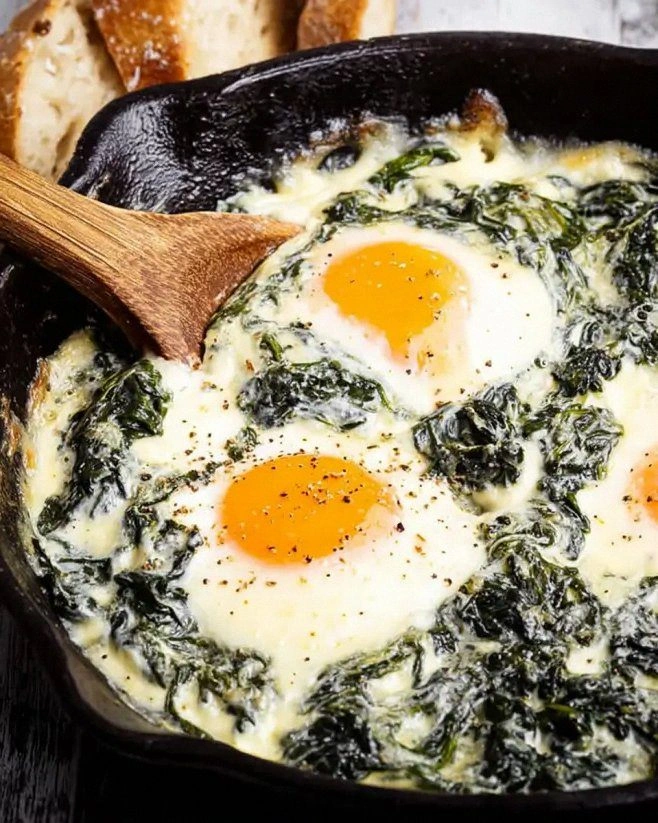
Transfer the skillet to the preheated oven. Bake for 12‑15 minutes, or until the egg whites are set and the yolks are still slightly runny. Keep an eye on the edges; they should start pulling away from the pan, forming a crisp, caramelized border. If you prefer firmer yolks, add an extra 2‑3 minutes.
Remove the skillet from the oven and immediately scatter fresh basil leaves over the top. The residual heat will wilt the basil just enough to release its aroma without losing its bright green color. Let the dish rest for a minute, then serve straight from the pan or slide onto a serving plate.
That's it — you did it. But hold on, I've got a few more tricks that'll take this to another level...
Insider Tricks for Flawless Results
The Temperature Rule Nobody Follows
Never bake eggs at a temperature higher than 375°F. Higher heat cooks the whites too fast, leaving the yolk stubbornly runny or, worse, over‑cooked. By keeping the oven at a moderate temperature, the custard sets gently, giving you that perfect, velvety center. A friend once cranked the oven to 425°F and ended up with a rubbery disaster—let's just say it didn't end well.
Why Your Nose Knows Best
When the cheese starts to caramelize, you’ll smell a nutty, buttery aroma that signals the crust is ready. Trust that scent more than the timer; ovens vary, and the nose is the most reliable gauge. If you catch that toasty smell early, pull the skillet out a minute or two before the timer expires.
The 5‑Minute Rest That Changes Everything
After removing the dish from the oven, let it sit for five minutes. This short rest allows the residual heat to finish cooking the egg whites without over‑hardening the yolks, and it lets the flavors meld. Skipping this step results in a jarring temperature contrast between the hot crust and the cool interior.
Seasoning Layers for Depth
Season the spinach‑tomato base with a pinch of salt before adding the cream, then finish with a dash of pepper on the eggs right before serving. This two‑stage seasoning builds complexity, ensuring every bite is balanced. If you only season at the end, the flavors can feel flat.
The Secret of Fresh Basil
Add the basil after baking, not before. Heat destroys the delicate aromatic oils, leaving a wilted herb that can’t deliver its peppery punch. Toss the leaves in just before serving, and you’ll get a burst of freshness that lifts the entire dish.
Creative Twists and Variations
This recipe is a playground. Here are some of my favorite ways to switch things up:
Smoky Chipotle Florentine
Add a teaspoon of chipotle in adobo sauce to the cream for a subtle smoky heat that pairs beautifully with the sweet tomatoes. The smoky undertone makes the dish feel like a brunch‑time fiesta.
Mushroom Medley
Swap half the spinach for sliced cremini mushrooms. Their earthy umami deepens the flavor profile, and they add a pleasant bite that contrasts with the silky custard.
Mediterranean Twist
Replace mozzarella with crumbled feta and sprinkle Kalamata olives on top before baking. The salty, briny notes transform the dish into a sun‑kissed Mediterranean delight.
Vegan Version
Use silken tofu blended with a splash of plant‑based milk in place of heavy cream, and choose a dairy‑free cheese blend. The texture remains creamy, and the flavors stay vibrant.
Herb‑Infused Surprise
Stir in a tablespoon of chopped fresh dill or tarragon into the cream before pouring it over the vegetables. These herbs add a fresh, aromatic twist that brightens the entire plate.
Storing and Bringing It Back to Life
Fridge Storage
Allow the baked eggs to cool to room temperature, then cover the skillet tightly with foil or transfer to an airtight container. They keep beautifully for up to three days. Reheat gently in a 300°F oven for 10‑12 minutes, or microwave in 30‑second bursts, adding a splash of water to revive the custard.
Freezer Friendly
Portion the baked egg mixture (without the fresh basil) into freezer‑safe containers. Freeze for up to two months. When ready, thaw overnight in the fridge, then bake at 350°F for 15‑20 minutes, topping with fresh basil after reheating.
Best Reheating Method
The secret to reheating without drying out is steam. Place a small ramekin of water in the oven alongside the dish; the gentle steam restores moisture, and the cheese re‑melts to its original glossy sheen. A quick 5‑minute blast will bring the dish back to life as if it just left the oven.