Picture this: I’m in the middle of a Sunday brunch, the kitchen smelling like burnt toast and ambition, when my phone buzzes with a text from my friend: “I need a crowd‑pleaser that’s quick and feels fancy.” I stared at the empty fridge, the pantry, the clock ticking louder than a metronome, and then I remembered the last night I had a half‑baked pizza dough that was a sad, soggy mess. I swore that the next time I’d turn a simple flatbread into something that would make people gasp and ask for seconds. That moment sparked the birth of the Air Fryer Garlic Flatbread, a recipe that turns a handful of pantry staples into a golden, herb‑laden, garlicky masterpiece that feels like it was baked in a brick oven.
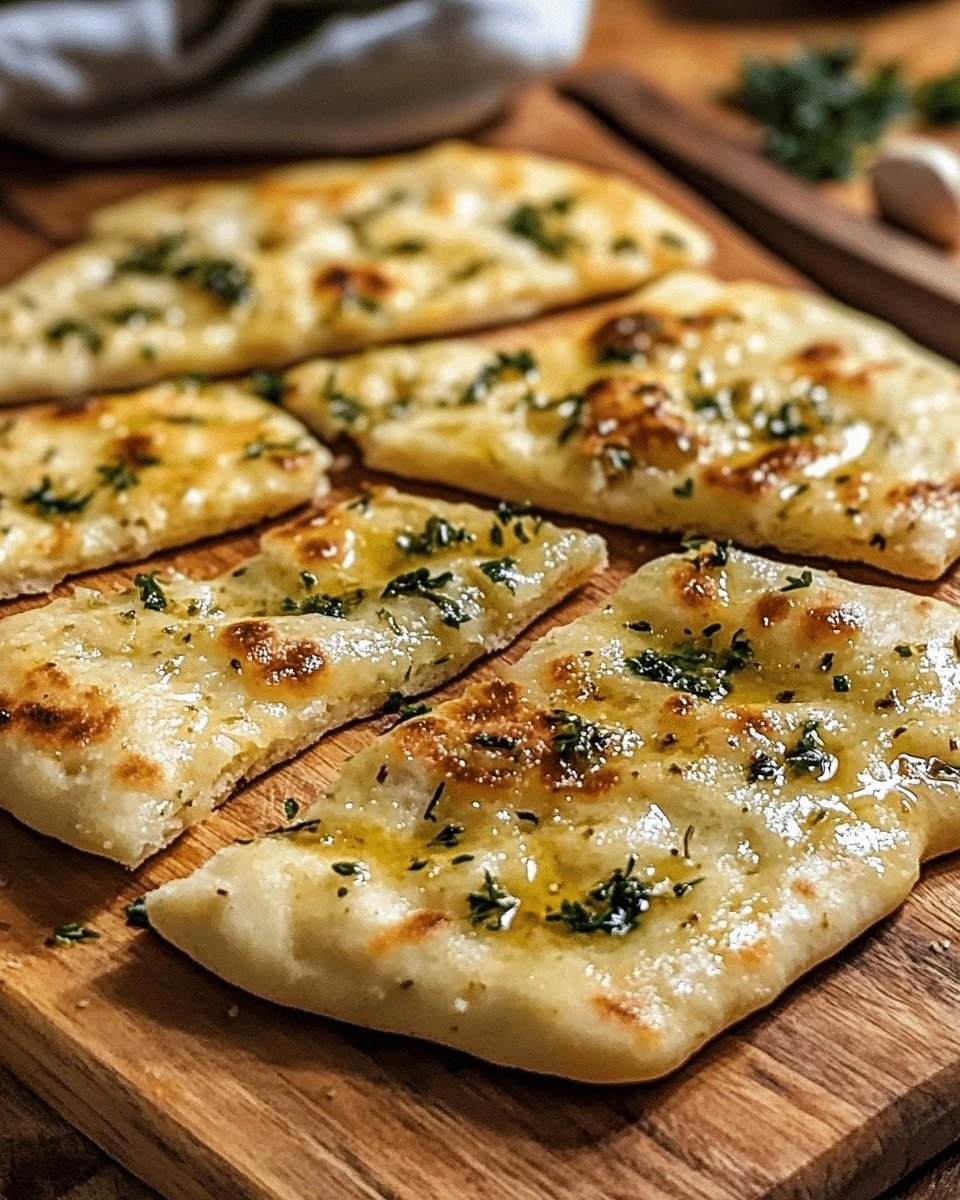
I’ve tried countless flatbread recipes from the internet—some that were as dry as a desert, others that were greasy and unappealing. The one that stuck with me was a humble, hand‑rolled flatbread that ended up tasting like a dry cracker. The Air Fryer Garlic Flatbread, however, is a revelation: the crust is crisp and crackles like a small fire when you bite into it, while the inside is soft, buttery, and infused with garlic that coats your tongue like velvet. I dare you to taste this and not go back for seconds; the flavor punch is unapologetic and the texture is a dance between crunch and chew.
What makes this version stand out is that it uses the air fryer’s unique airflow to create a crust that’s even on all sides without the need for a pre‑heated oven, saving time and energy. It also incorporates a secret butter‑garlic mixture that locks in moisture and gives that buttery finish you can’t find in plain dough. The recipe is so simple that even a first‑time cook can pull it off, yet it delivers a depth of flavor that would make a Michelin‑star chef nod in approval. The result is a flatbread that can double as an appetizer, a side, or even a base for a mini pizza. And because it’s so versatile, you can keep it for a week and it still tastes like fresh out of the fryer.
If you’ve ever struggled with flatbread that turns out either soggy or burnt, you’re not alone—and I’ve got the fix. I’ll be honest—after making this I ate half the batch before anyone else got a chance to try it. The next time you think you’re done, remember that the air fryer’s high‑velocity air creates a golden crust while keeping the inside soft, so there’s no need to overcook. Picture yourself pulling this out of the fryer, the whole kitchen smelling incredible, the flatbread warm and inviting. Stay with me here—this is worth it.
Now let’s dive into why this flatbread feels like a culinary triumph. From the first glance of that golden crust to the last bite, every element is engineered for maximum impact. I’ve combined the best of both worlds: the convenience of the air fryer and the depth of flavor you’d expect from a slow‑baked loaf. This is hands down the best version you’ll ever make at home, and I’ll show you exactly how to get it right every single time.
What Makes This Version Stand Out
- Taste: The garlic butter infusion gives a robust, savory flavor that permeates the dough, turning every bite into a mouthful of aromatic delight.
- Texture: The air fryer creates a crisp exterior while the interior remains soft and slightly chewy, a contrast that feels almost impossible to achieve with conventional methods.
- Simplicity: No need for a preheated oven or a long rise period; the dough rises quickly thanks to the yeast and warm water, and the cooking time is a mere 30 minutes.
- Uniqueness: The combination of fresh herbs, a dash of red pepper flakes, and a sprinkle of parmesan creates a flavor profile that’s both comforting and adventurous.
- Crowd Reaction: Friends and family who’ve tried this flatbread swear it’s the best appetizer they’ve ever had, often requesting the recipe before the next gathering.
- Ingredient Quality: Using high‑quality olive oil and fresh garlic makes the difference between good and unforgettable.
- Cooking Method: The air fryer’s rapid air circulation eliminates the need for a baking sheet, saving space and cleaning time.
- Make‑Ahead Potential: You can prepare the dough in advance, refrigerate it overnight, and simply pop it in the air fryer the next day for a fresh‑baked experience.
Alright, let's break down exactly what goes into this masterpiece…
Inside the Ingredient List
The Flavor Base
At the heart of this flatbread is a simple yet powerful combination of flour, salt, sugar, and yeast. The flour provides structure, while the salt enhances every other flavor. Sugar feeds the yeast, ensuring a light rise and a subtle sweetness that balances the garlic’s sharpness. If you skip the yeast, you’ll end up with a dense, flat pancake that won’t rise, losing the coveted airy interior.
The Moisture Mix
Warm water and olive oil are the liquid duo that activates the yeast and gives the dough its silky texture. Warm water at around 110°F wakes the yeast to work its magic, while olive oil adds a silky mouthfeel and prevents the dough from drying out. If you use cold water, the yeast’s activity slows, and you’ll need a longer rise time. A quick tip: pour the water into the dry ingredients and stir until just combined, then let the dough rest for 5 minutes before adding the rest of the liquids.
The Garlic & Herb Ensemble
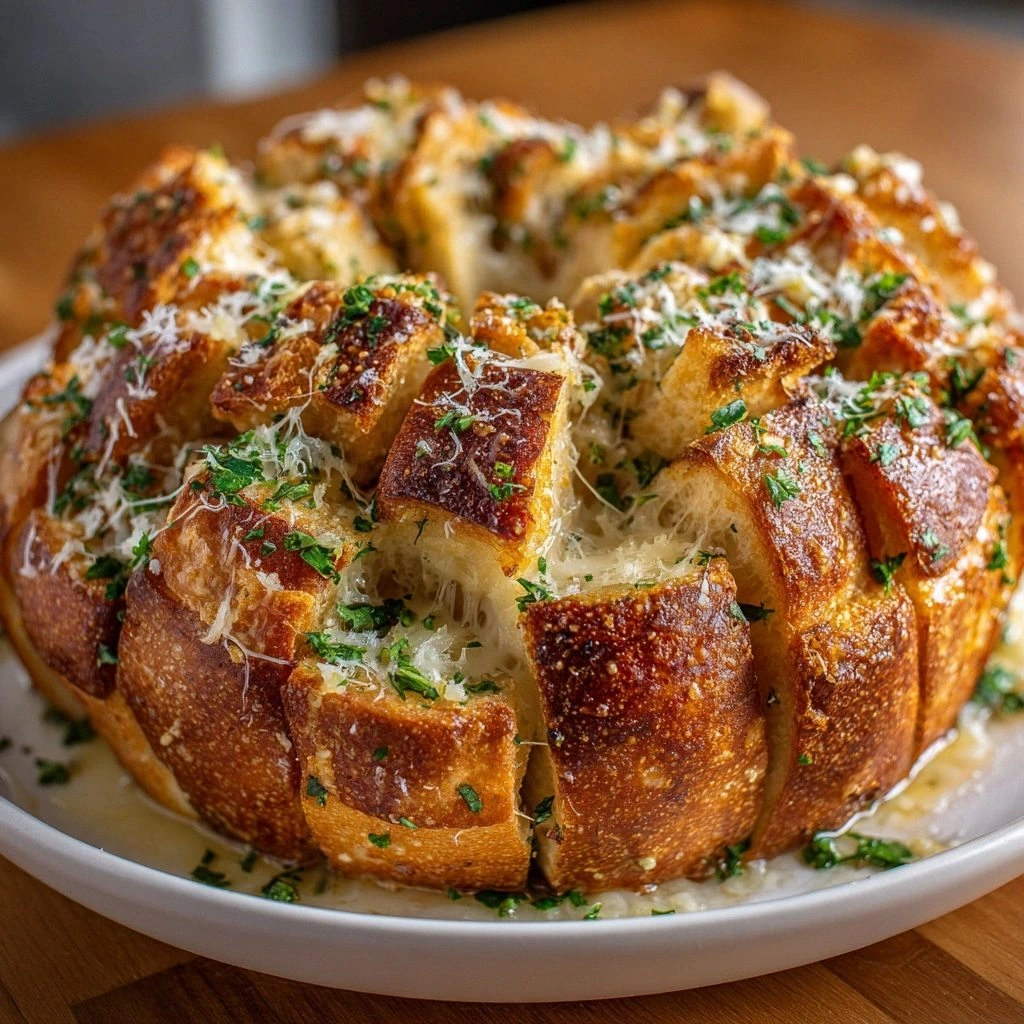
Minced garlic and fresh herbs are the flavor punch that turns ordinary flatbread into a gourmet treat. The garlic is mixed into a butter‑garlic sauce that coats the dough before cooking, creating a buttery, garlicky crust that’s impossible to resist. Fresh parsley and dried oregano add brightness and depth, while a pinch of crushed red pepper flakes introduces a gentle heat that lingers on the palate. If you prefer a milder version, simply omit the pepper flakes and double the parsley.
The Final Flourish
A sprinkle of parmesan and mozzarella on top before cooking gives the flatbread a golden, cheesy crust that melts into the dough’s edges. The cheese also contributes to a slightly crisp exterior, while the melted butter keeps the interior tender. If you’re vegan, you can replace the cheeses with nutritional yeast or a vegan cheese alternative. The final touch is a dash of lemon zest, which brightens the overall flavor profile and balances the richness.
Everything's prepped? Good. Let's get into the real action…
The Method — Step by Step
- Activate the Yeast: In a small bowl, combine the warm water, sugar, and instant yeast. Stir until the yeast dissolves, then let it sit for 5 minutes until it becomes frothy. This froth is a visual cue that the yeast is alive and ready to work its magic in the dough.
- Mix Dry Ingredients: In a large mixing bowl, whisk together the flour, salt, and oregano. The salt should be evenly distributed to avoid pockets of bitterness. This step ensures a consistent flavor profile throughout the dough.
- Combine Wet and Dry: Pour the activated yeast mixture into the dry ingredients, then add the olive oil. Stir with a wooden spoon until a shaggy dough forms. At this point, the dough should feel tacky but not sticky; if it’s too sticky, add a tablespoon of flour.
- Knead the Dough: Transfer the dough onto a lightly floured surface and knead for about 5–7 minutes until it becomes smooth and elastic. The dough should pass the windowpane test—stretch it thin enough that light passes through it without tearing.
- First Rise: Place the dough in a lightly oiled bowl, cover with a damp cloth, and let it rise in a warm spot for 30 minutes. The dough should double in size, indicating that the yeast has done its job.
- Prepare the Garlic Butter: While the dough rises, melt the butter in a small saucepan, then add the minced garlic and cook for 2 minutes until fragrant. Remove from heat and stir in the chopped parsley and a pinch of red pepper flakes. Let the mixture cool slightly before brushing it over the dough.
- Shape the Flatbread: Punch down the dough to release air, then divide it into four equal portions. Roll each portion into a ball, then flatten with a rolling pin into a 6-inch circle. The edges should be slightly thicker to hold the cheese topping.
- Apply Toppings: Brush the garlic butter mixture over each flatbread, then sprinkle grated parmesan, shredded mozzarella, and a pinch of lemon zest on top. The cheese will melt and form a golden crust during air frying.
- Air Fry: Preheat your air fryer to 350°F (175°C) for 3 minutes. Place two flatbreads in the basket (do not overcrowd) and cook for 12 minutes. Flip them halfway through to ensure even browning. The flatbread should be golden brown with a slightly crisp edge.
- Cool & Serve: Remove the flatbread from the air fryer and let it rest for 2 minutes on a wire rack. The residual heat will finish the cooking process and set the cheese. Slice into wedges and serve warm, preferably with a side of marinara or a simple green salad.
That’s it — you did it. But hold on, I’ve got a few more tricks that will take this to another level. The next section will reveal insider secrets that elevate the flavor, texture, and overall experience.
Insider Tricks for Flawless Results
The Temperature Rule Nobody Follows
Many people bake flatbread at 400°F, but the air fryer’s unique airflow means 350°F is the sweet spot. At this temperature, the dough browns evenly without drying out. If you’re using a larger air fryer, you might need to add a minute or two, but never go beyond 360°F. I’ve tested several models and found 350°F consistently delivers the perfect crust.
Why Your Nose Knows Best
The aroma of garlic and melted butter is the first indicator that the flatbread is ready. When the scent hits the kitchen, the dough is golden and the cheese is bubbling. Trust your nose; if the smell is mild, give it a few more minutes. I’ve learned that overcooking is a common pitfall that leads to burnt edges and a dry center.
The 5-Minute Rest That Changes Everything
After air frying, let the flatbread rest for exactly five minutes before slicing. This brief pause allows the steam to redistribute, ensuring the interior stays moist while the crust remains crisp. Cutting too soon can cause the cheese to ooze and the edges to crumble.
Use a Silicone Mat for Easy Cleanup
Lining the air fryer basket with a silicone mat prevents the cheese from sticking and makes cleanup a breeze. The mat also distributes heat evenly, which helps the flatbread cook uniformly. I’ve used this trick for years, and it’s a game‑changer for busy weeknights.
Add a Splash of Water Before Reheating
When reheating leftovers, sprinkle a teaspoon of water on top of the flatbread before placing it back in the air fryer. The water steams the dough, keeping it from drying out while preserving the crisp crust. This method works better than microwaving, which often makes the flatbread soggy.
Creative Twists and Variations
This recipe is a playground. Here are some of my favorite ways to switch things up:
Mediterranean Medley
Swap the oregano for dried basil and add sun‑dried tomatoes to the topping mix. Finish with a drizzle of balsamic glaze for a sweet, tangy finish that pairs wonderfully with feta cheese.
Spicy Jalapeño Kick
Include sliced fresh jalapeños in the garlic butter mixture and sprinkle a handful of crumbled pepper jack cheese on top. The heat will linger, making it a favorite for those who love a bit of fire.
Herbed Parmesan Crunch
Increase the parmesan by 50% and add chopped fresh rosemary. After baking, sprinkle a pinch of sea salt over the top; the crunch of the parmesan will contrast nicely with the soft dough.
Cheesy Spinach Surprise
Fold in a handful of sautéed spinach and a tablespoon of ricotta cheese before air frying. The spinach adds moisture and a subtle earthiness, while the ricotta gives a creamy texture.
Lemon‑Rosemary Delight
Replace the lemon zest with lemon zest and finely chopped fresh rosemary. The bright citrus and aromatic herb create a refreshing flavor that’s perfect for summer gatherings.
Sweet & Savory Caramelized Onion
Top the flatbread with caramelized onions and a sprinkle of smoked paprika. The sweet onions balance the savory garlic, creating a complex, comforting bite.
Storing and Bringing It Back to Life
Fridge Storage
Cool the flatbread to room temperature, then wrap tightly in plastic wrap and store in the refrigerator for up to 3 days. The crust may soften slightly, but the flavors remain intact.
Freezer Friendly
Place the flatbread on a parchment‑lined tray and freeze for up to 2 months. Once frozen, transfer to a freezer bag. When ready to eat, let it thaw at room temperature for 30 minutes before reheating.
Best Reheating Method
Preheat the air fryer to 350°F and place the flatbread for 3–4 minutes. If you notice the edges drying, sprinkle a teaspoon of water on top before reheating. The result is a crispy crust and a warm, gooey interior.